
Skip to content

Furnace Repair

No heat, cold air from the vents, or a furnace that shuts off after a few minutes? Our licensed technicians find the worn part and go over the repair and its cost with you before any work starts.

4.8 on Google from 400+ reviewsOpen Mon to Sat, 7am to 7pm✓ BBB A+ Rated✓ Nextdoor Neighborhood Favorite✓ Licensed & Insured

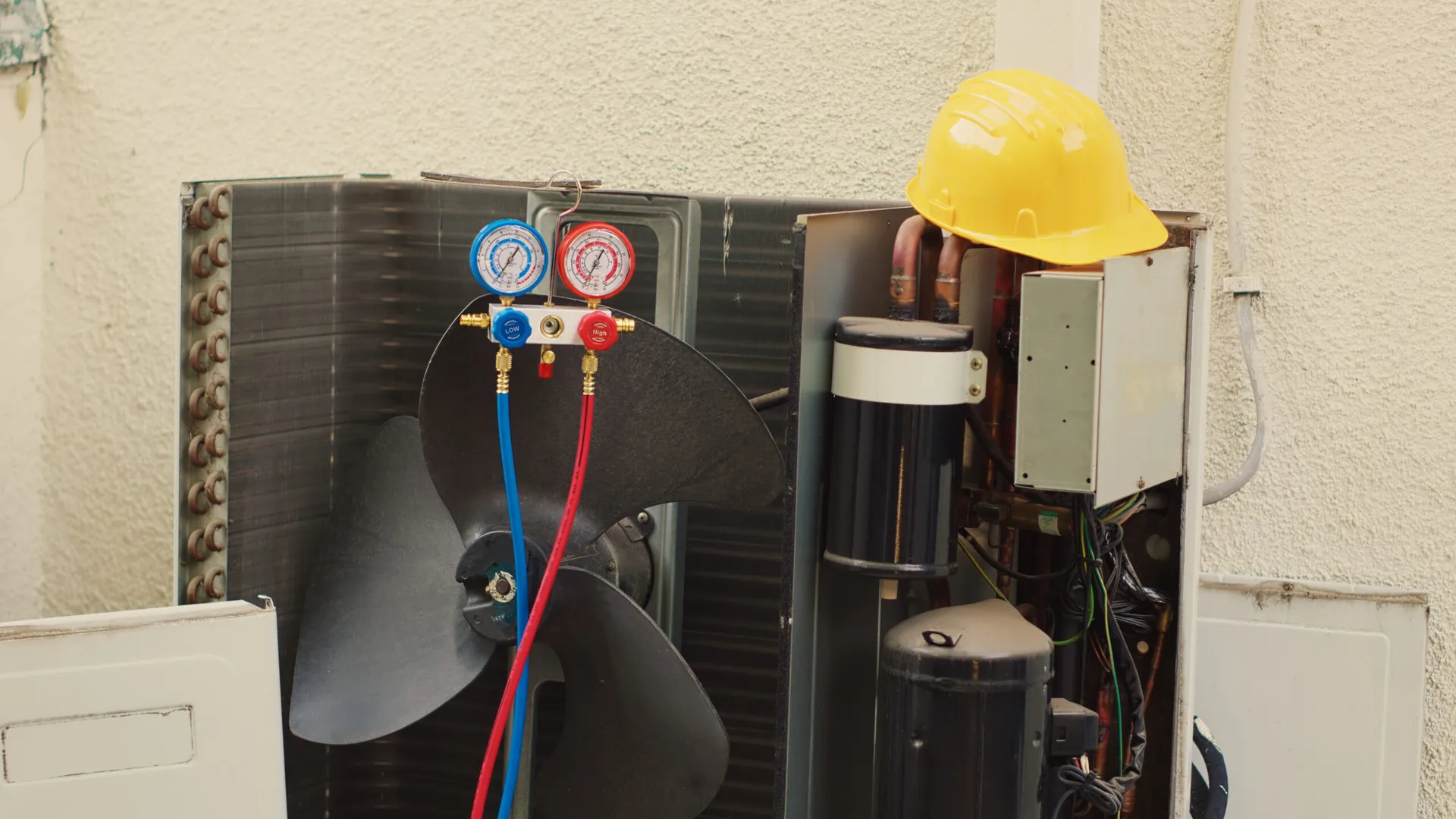
An open HVAC cabinet exposes a large blower wheel, copper tubing, electrical controls, and red and blue service gauge hoses.

Furnace Repair in Austin: Getting Your Heat Back

Austin only needs real heat a few months a year, so a furnace can sit quiet from April to November and then act up on the first cold morning. Most gas furnaces here live in the attic, a hall closet or the garage, with the AC coil sitting right on top. When the furnace stops heating, it is usually one part that has worn out, not the whole system.

Gold Eagle Services is a family-run, locally owned Austin HVAC company serving Central Texas homes since 2017. We are a Mitsubishi Electric Diamond Contractor and a GE Elite Dealer, and our technicians repair gas furnaces of all ages, from older units with a standing pilot light to modern high-efficiency condensing furnaces. We work on homes only, not commercial buildings.

Heat not working? Call 512-489-4653 or schedule a furnace repair online. We schedule repair visits Monday through Saturday, 7am to 7pm, and help existing customers on Sundays.
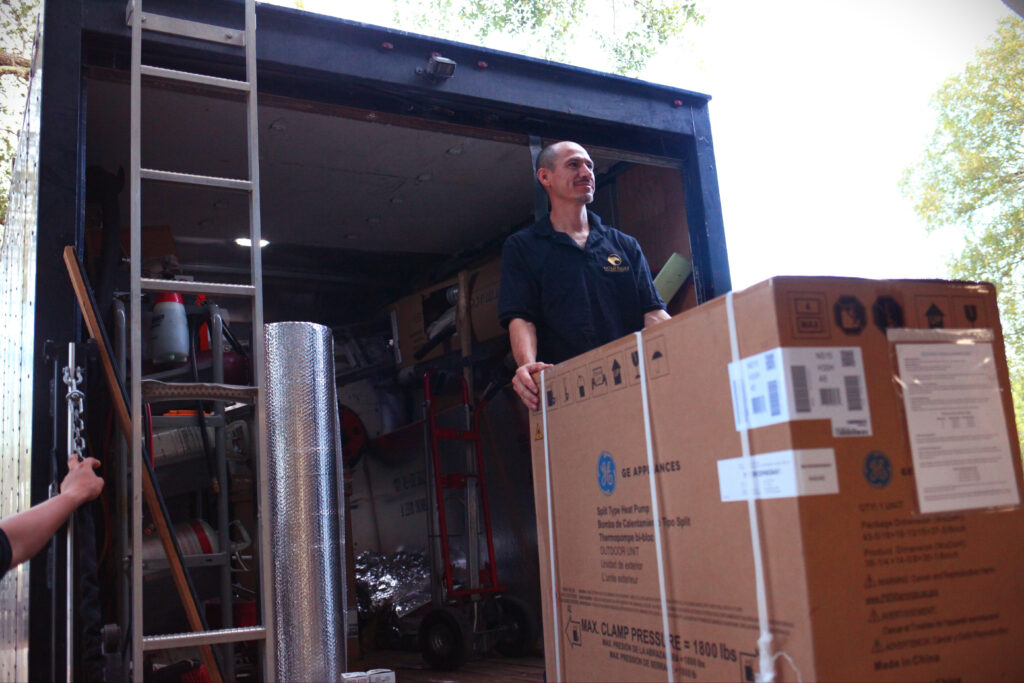
Gold Eagle Services HVAC installer loading an air handler

Common Furnace Problems We Repair

Most furnace calls in Austin come down to a short list of parts. These are the problems we see most often:

  • No heat at all, or the thermostat calls for heat and nothing happens
  • The blower runs but the vents blow cold air
  • Short cycling: the furnace starts, runs a few minutes, then shuts off
  • A cracked or worn hot surface ignitor that no longer lights the burners
  • A dirty flame sensor that shuts the burners off after a few seconds
  • Pilot light or thermocouple trouble on older furnaces
  • An inducer motor or pressure switch that keeps the furnace from starting
  • A blower motor, capacitor or control board failure
  • A limit switch that keeps tripping because the furnace is overheating

Before you call, check the easy things: the thermostat is set to HEAT, the filter is not clogged, the furnace door panel is closed tight (it presses a safety switch), and the furnace switch and breaker are on. For more, read Why Does the Thermostat Say Heat Is On but Nothing Happens?.

Schedule a Repair

Why Is My Furnace Blowing Cold Air or Short Cycling?

A furnace that blows cold air is often trying to light and failing. Modern furnaces go through the same steps every time: the inducer motor clears the flue, a pressure switch confirms the draft, the ignitor glows, the gas valve opens and the flame sensor confirms the flame. If any step fails, the furnace shuts down for safety and the blower may keep moving unheated air.

  • Flame sensor. A thin rod that gets coated over time. When it cannot sense the flame, the burners light and then go out a few seconds later. See Why Does My Furnace Turn On and Then Shut Off?.
  • Ignitor. Hot surface ignitors are brittle and eventually crack. No glow means no flame.
  • Inducer motor and pressure switch. A noisy or failed inducer, a blocked vent or a cracked pressure hose can keep the furnace from starting.
  • Limit switch. If the furnace overheats, usually from a clogged filter, closed vents or a duct problem, the limit switch shuts off the burners. It protects the furnace, but a switch that trips over and over points to an airflow problem.
  • Blower. A weak capacitor or failing motor means little air at the vents, in winter and summer alike, because the same blower moves your AC air.
  • Condensate drain. High-efficiency furnaces make water. A clogged drain or trap can trip a float switch and stop the heat.

A furnace that just came on for the first time this season may smell dusty for a few minutes as it burns off dust. A burning smell that lasts is different. Read Heater Smells Like Burning? What’s Normal and When to Call.

Heat Exchanger, Gas Smells and Carbon Monoxide: Safety First

The heat exchanger keeps the flame and exhaust gases separate from the air you breathe. Over years of heating and cooling, a heat exchanger can crack. During a repair visit we inspect it, and if we find a crack or another unsafe condition, we will explain what we found, show you, and shut the furnace off until it is fixed or replaced.

  • If a carbon monoxide alarm goes off: get everyone out of the house and call 911 from outside. Do not go back in until responders say it is safe. Then call us to inspect the furnace.
  • If you smell gas (a rotten egg smell): leave the house, do not flip switches, and call 911 or your gas company from outside.
  • Every home with a gas furnace needs working CO alarms. See Where Should CO Detectors Go in a Home With a Gas Furnace?.
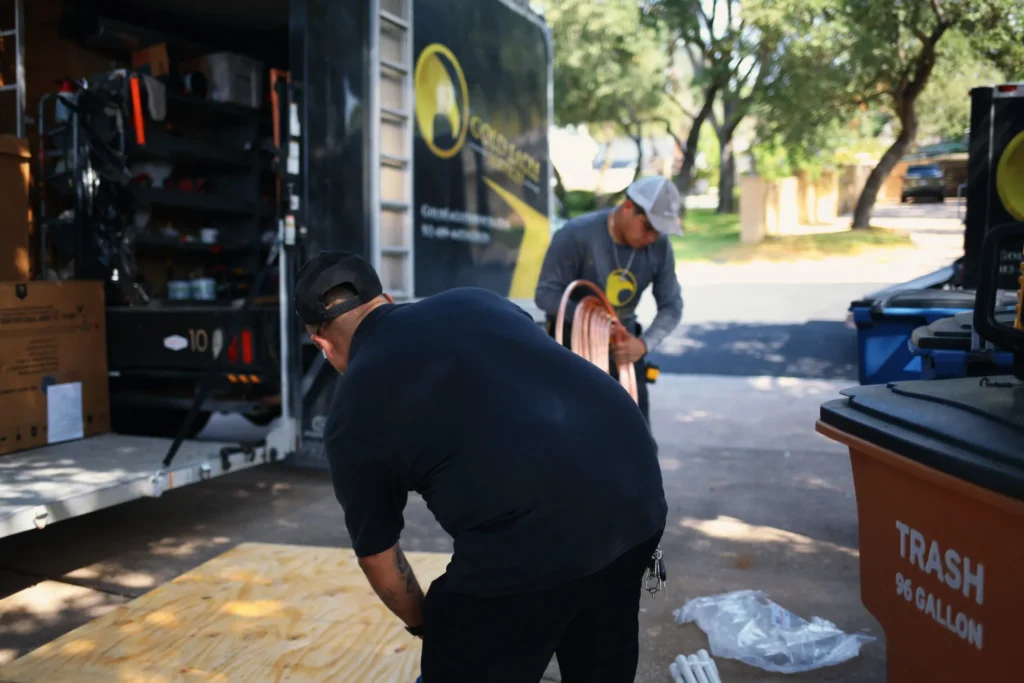
Two Gold Eagle Services technicians handle tools beside an open service truck, with a coiled copper-colored line and gear visible.

What a Furnace Repair Visit Looks Like

We want you to know what is wrong, what it takes to fix it and what your options are before any work starts. A typical furnace repair visit includes:

  • Listening to what you have noticed: noises, smells, cold rooms, error codes
  • Checking the thermostat, filter, power and the furnace's error code light
  • Watching a full start-up sequence to see which step fails
  • Testing the ignitor, flame sensor, inducer, pressure switch, limit switch and blower
  • Inspecting the heat exchanger, venting and gas connections for safety
  • Explaining the repair and your options before we do the work
  • Testing the furnace through a full heating cycle after the repair

Some repairs can be finished on the same visit. Others need a part ordered for your furnace’s make and model, and we will tell you which it is up front.

Call 512-489-4653

Repair or Replace Your Furnace?

Most furnace problems are worth repairing. Austin’s short heating season is easy on furnaces, and many keep working well for years after an ignitor or flame sensor is replaced. We will tell you when a repair is the right call.

Replacement is worth a conversation when the heat exchanger is cracked, the furnace needs repairs every winter, the blower struggles in summer too, or both the furnace and the AC are near the end of their life. When that happens, you have choices: a new gas furnace, an all-electric heat pump, or a dual fuel system that pairs the two. See our furnace replacement and installation page, and read Repair or Replace Your HVAC System? How to Decide.

Wondering what a new system would cost? Build your system online to compare options and see pricing for your home.

Prevent the Next Breakdown With a Heating Tune-Up

Many of the furnace calls we get on the first cold morning of the year could have been caught in October. A pre-season heating tune-up cleans the flame sensor, checks the ignitor, tests the safety controls, looks over the heat exchanger and venting, and checks the blower that also runs your AC.

Our Home Maintenance Plan includes a spring cooling visit and a fall heating visit, so you do not have to remember. Curious what a tune-up covers? Read What’s Included in an HVAC Tune-Up?.

Frequently Asked Questions

Common causes are a thermostat set to fan ON instead of AUTO, a furnace that tries to light and fails (often a dirty flame sensor or a worn ignitor), a clogged filter tripping the limit switch, or a blocked condensate drain on a high-efficiency furnace. Check the thermostat and filter first. If it still blows cold, call us for a repair visit.

Learn More From Our Resource Center

Furnace not heating? Let’s get it looked at.

Schedule Online

Need Help With Your HVAC? Let's Talk.

Tell us what you need, and our team will get back to you as soon as possible. No pressure, no obligation. Just honest advice and fast service.

Contact Us
This field is for validation purposes and should be left unchanged.
Name(Required)
Same-day service
BookTextCall 512-489-4653Call