
 HVAC Systems
 Heating
 Ductwork & Air Flow
 Ventilation
 Filtration
 Dehumidification
 Maintenance
 Mold
Mold Remediation & Restoration
 Pure Maintenance
 Your Home
 Building Science
 Insulation & Envelope
 Health & Safety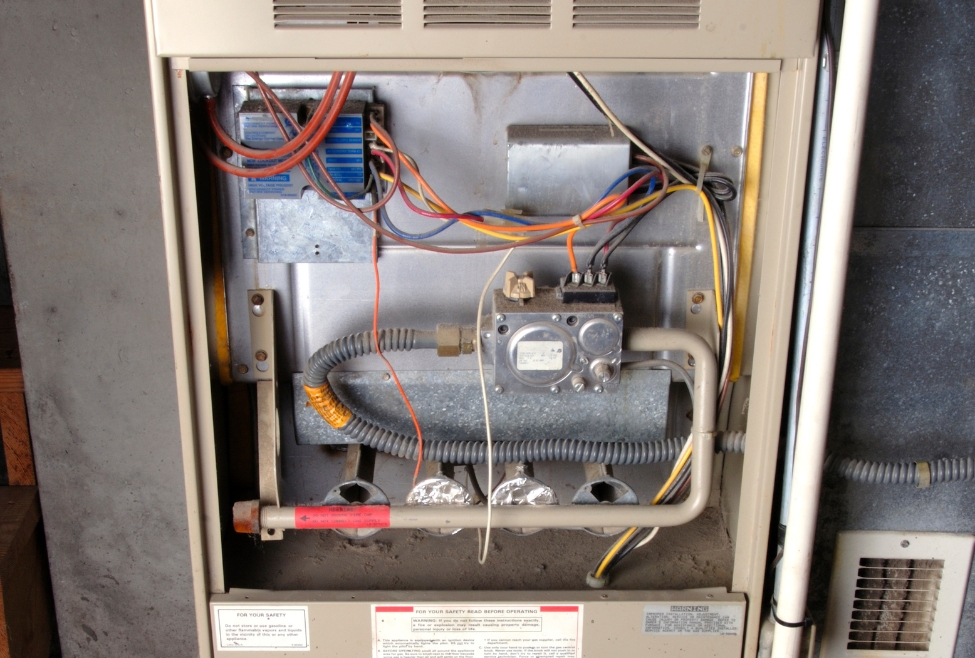
Quick answer: A gas furnace that lights and shuts off within seconds usually can’t confirm its flame, and the most common cause is a dirty flame sensor. Blocked venting, a pressure switch problem or a clogged condensate drain can also stop it. After a few failed tries, most furnaces lock out (stop trying) for a while.
In this guide
What happens when a gas furnace starts up?
It runs a safety checklist, and any failed step stops the whole sequence:
- The thermostat calls for heat.
- The inducer fan, a small blower, draws air through the burners and out the vent.
- A pressure switch confirms the vent is drawing properly.
- The ignitor, the part that lights the gas, heats until it glows.
- The gas valve opens and the burners light.
- The flame sensor, a thin metal rod, gets a few seconds to confirm a flame. If it can’t, the control board shuts off the gas.
So if the burners light and go out a few seconds later, suspect that last step.
Is a dirty flame sensor the most common cause?
Yes, in most cases. The sensor sits in the burner flame, and over time it picks up a coating that weakens its signal. The furnace isn’t broken, just cautious: the burners are lit, but the control board can’t tell, so it shuts off the gas.
It’s one of the most common calls when an Austin cold snap wakes up furnaces that sat idle all summer. Cleaning or replacing the sensor is a normal part of an HVAC tune-up, and while you’ll find videos of people sanding it themselves, the rod sits inside a gas appliance, so leave it to a technician.
What else makes a furnace shut off after a few seconds?
- Blocked venting. Leaves or a bird or wasp nest in the vent pipe can keep the pressure switch from closing, so the furnace may not light at all.
- A clogged condensate drain. High-efficiency furnaces make water. When the trap (a U-shaped bend in the drain) or the line clogs, water backs up and the furnace stops firing.
- A failing pressure switch or inducer fan motor. Either can stop the sequence before ignition, or let the switch drop out just after the burners light.
- Low gas pressure. A starved flame can be too weak for the sensor to read.
- Wiring or grounding problems. A loose connection can confuse the flame signal even when the sensor is clean.
A furnace that runs for several minutes and then shuts off has a different problem, usually overheating from poor airflow or a furnace too big for the house. Why a bigger furnace isn’t better covers that kind of short cycling (turning on and off too often).
What does a blinking light on a furnace mean?
It’s a fault code, the furnace’s Morse code for what went wrong. Most furnaces have a status light behind a small window in the blower door, and a chart inside the door or in the manual translates each code.
Count the blinks and snap a photo to share when you call.
What can you safely check before calling?
Four things, none of which means opening the furnace:
- Replace a dirty filter.
- Check the white plastic vent pipes outside, if you have them, for leaves or nests. Look only from the ground; on attic furnaces they often exit through the roof.
- Make sure the service switch near the furnace and its breaker are both on.
- Turn the thermostat off for about five minutes, then back to Heat. On some models, flipping the service switch off and on clears a lockout instead.
One reset is reasonable. If it fails again, stop and call; repeated resets fix nothing. If you ever smell gas, leave the house and call 911 and your gas utility from outside.
What should you do next?
- Watch one startup and note how long the flame stays lit.
- Count the blinks on the status light and photograph the code chart.
- Try one thermostat reset, and stop if it fails again.
- If it keeps shutting off, book a heating visit to have the flame sensor, venting and drain checked.
Related guides: Why a Bigger Furnace Isn’t Better: The Case for Dual Fuel, What’s Included in an HVAC Tune-Up? and Why Is My HVAC System Making Noise? Troubleshooting Guide.
About Gold Eagle Services: This guide comes from the team at Gold Eagle Services, a family-run Austin HVAC, indoor air quality and mold remediation company founded in 2017. We’re licensed (TACLA119235 and RCO1783), insured and bonded, and we serve homes across the greater Austin area.
Need help with this in your home? Learn about our heater repair and tune-ups, or call 512-489-4653 to schedule a visit.
More in Heating
All 30 guides HeatingWhat Is a Heat Pump’s Balance Point, and Why Does It Matter in Central Texas?A heat pump's balance point is the outdoor temperature where its heat output just matches the heat your house loses. Above it, the heat…
 HeatingWhy Does My Heat Pump Run Nonstop When It’s Below Freezing?A heat pump runs nonstop in freezing weather because the colder it gets, the less heat it can pull from outdoor air, while your…
 HeatingShould You Run Ceiling Fans in Winter, and Which Direction?Yes. In winter, run a ceiling fan on low, turning clockwise as you look up at it. That gentle updraft pushes warm air from…