
 HVAC Systems
 Heating
 Ductwork & Air Flow
 Ventilation
 Filtration
 Dehumidification
 Maintenance
 Mold
Mold Remediation & Restoration
 Pure Maintenance
 Your Home
 Building Science
 Insulation & Envelope
 Health & Safety
Quick answer: Put a carbon monoxide alarm on every level of the home and in a central spot outside each sleeping area, as CPSC and NFPA recommend. With a gas furnace, also cover the living space nearest the furnace and any rooms next to or above an attached garage. Follow the alarm maker’s instructions for mounting height and distance from appliances.
In this guide
- Where should the first CO alarm go?
- Where should a CO alarm go if the gas furnace is in the attic?
- Where should a CO alarm go if the furnace is in a closet or garage?
- What height should a carbon monoxide alarm be mounted at?
- Where should you not put a CO alarm?
- How do you keep CO alarms working?
- What should you do if the CO alarm goes off?
- What should you do next?
Where should the first CO alarm go?
Outside the bedrooms. Carbon monoxide (CO) is an odorless gas, and it’s most dangerous when people are asleep and can’t notice anything wrong. The hallway just outside the sleeping area comes first.
Many Central Texas homes have split floor plans, with the primary bedroom on one side of the house and the other bedrooms on the far side. Each sleeping area needs its own alarm. Two-story homes need at least one on every level. NFPA recommends interconnected alarms, so when one sounds, they all do.
Where should a CO alarm go if the gas furnace is in the attic?
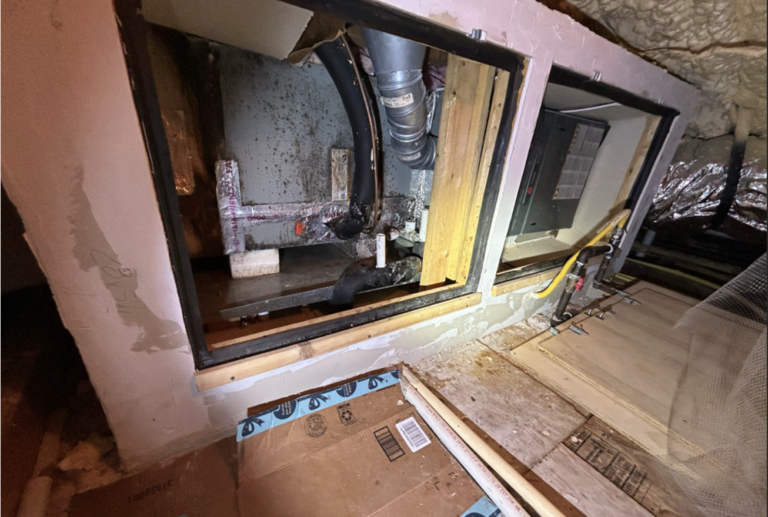
In the living space below it. Most CO alarms aren’t rated for attic temperatures, and an Austin attic in August can pass 130°F, so an alarm up there may not work as designed. Put one in the hallway or room closest to where the furnace sits overhead, on top of your bedroom-area alarms.
Where should a CO alarm go if the furnace is in a closet or garage?
For a hall-closet furnace, put an alarm in the nearby hallway or room, at the distance the manual specifies. Many makers ask for several feet between the alarm and any fuel-burning appliance, which avoids false alarms from the small puff of CO some appliances give off at startup.
For a furnace or gas water heater in the garage, cover the rooms that share a wall or ceiling with the garage. Car exhaust makes the garage a poor spot for the alarm itself, and garage temperatures swing outside many alarms’ rated range.
What height should a carbon monoxide alarm be mounted at?
Whatever height the manufacturer specifies. CO mixes evenly with room air, so wall, ceiling and plug-in models all work when installed per their instructions. The manual is the tiebreaker.
Where should you not put a CO alarm?
- Right next to the furnace, water heater or range.
- In bathrooms, where steam can cause false alarms or damage the sensor.
- In attics, garages or other spaces outside the alarm’s temperature range.
- Next to supply vents, ceiling fans or open windows, where fresh air can dilute a reading.
- Behind curtains or furniture.
How do you keep CO alarms working?
Test them monthly with the test button, change batteries as needed, and replace the whole alarm on the maker’s schedule. The replacement date is usually printed on the back. A yearly gas furnace inspection is the other half of the job: a technician checks the burners, venting and heat exchanger. Gold Eagle can handle that inspection on a heating tune-up visit. See what a tune-up includes.
What should you do if the CO alarm goes off?
Get everyone outside to fresh air right away and call 911 from outside. Don’t go looking for the source, and don’t go back in until responders say it’s safe. If anyone feels unwell, tell the dispatcher; health questions go to a doctor. Once the house is cleared, have the furnace and other gas appliances checked before you use them again. Heater smells like burning? covers other furnace warning signs.
What should you do next?
- Walk the house and make sure there’s an alarm outside each sleeping area and on every level.
- If the furnace is in the attic, add an alarm in the hallway or room closest to it.
- Press the test button on each alarm and check the replacement date on the back.
- Book a yearly gas furnace inspection with Gold Eagle, or call 512-489-4653.
Related guides: Hidden Home Hazards: Radon, CO, Asbestos, Lead Paint and Fire, Heater Smells Like Burning? What’s Normal and When to Call and What’s Included in an HVAC Tune-Up?.
About Gold Eagle Services: This guide comes from the team at Gold Eagle Services, a family-run Austin HVAC, indoor air quality and mold remediation company founded in 2017. We’re licensed (TACLA119235 and RCO1783), insured and bonded, and we serve homes across the greater Austin area.
Need help with this in your home? Learn about our heater repair and tune-ups, or call 512-489-4653 to schedule a visit.
More in Health & Safety
All 15 guides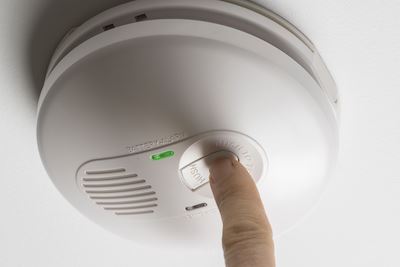 Health & SafetyWhy Is Your Carbon Monoxide Alarm Beeping or Chirping?Four loud beeps and a pause, repeating, usually means the alarm has detected carbon monoxide: get everyone outside and call 911. A single chirp…
 Health & SafetyWhat Should You Do If You Smell Rotten Eggs Near Your Furnace or Water Heater?A rotten egg or sulfur smell near a furnace or water heater can mean a gas leak. Get everyone out right away, and don't…
 Health & SafetyAre Space Heaters Safe to Use Alongside Central Heat?Yes, if you follow the CPSC's basics: keep an electric space heater at least 3 feet from anything that can burn, plug it straight…