
 HVAC Systems
 Heating
 Ductwork & Air Flow
 Ventilation
 Filtration
 Dehumidification
 Maintenance
 Mold
 Remediation & Restoration
 Pure Maintenance
 Your Home
 Building Science
 Insulation & Envelope
 Health & Safety
 Case Study
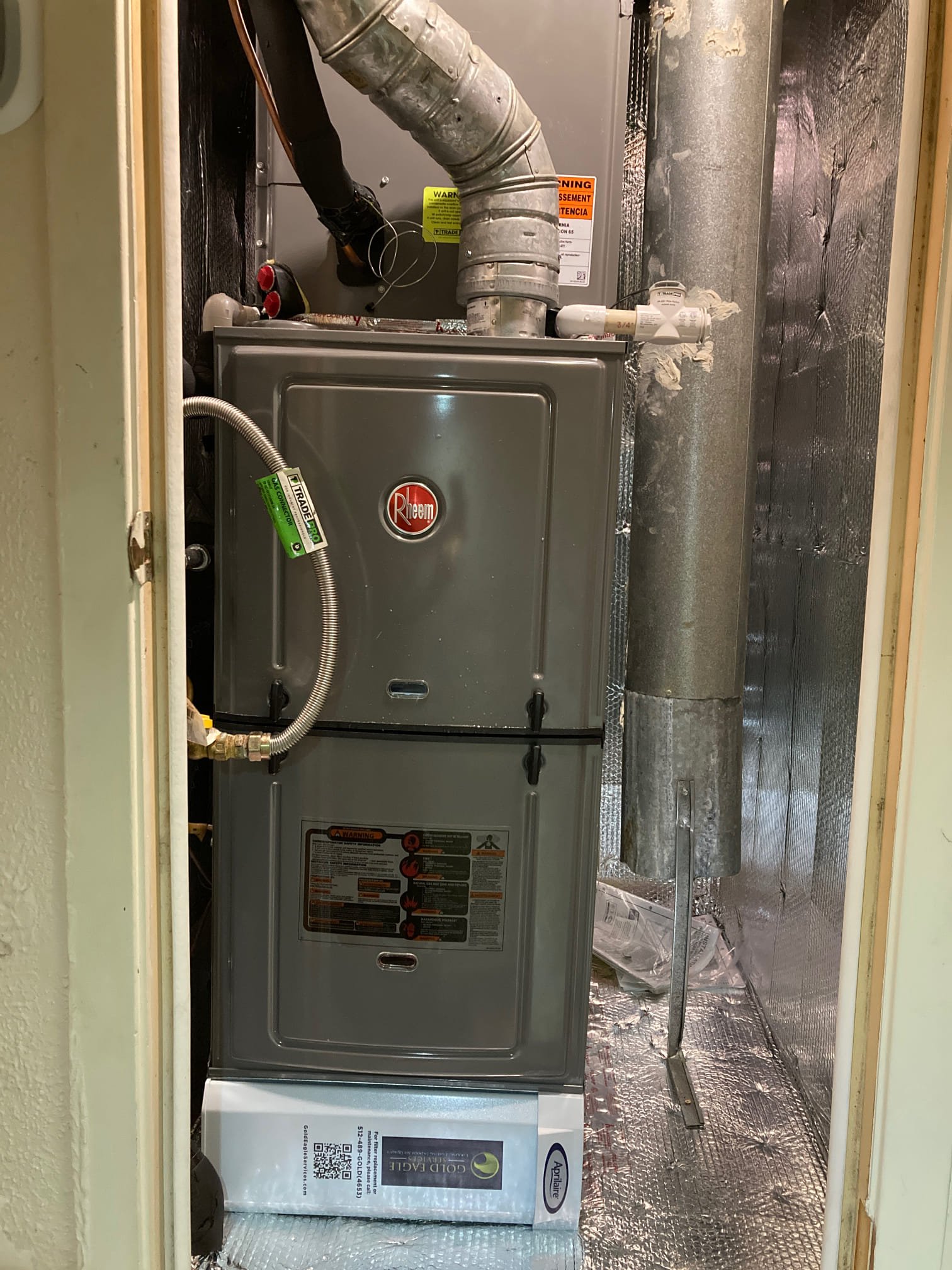
Quick answer: The heat exchanger is the metal chamber inside a gas furnace that keeps the flame and exhaust separate from the air going to your rooms. A crack can let combustion gases, including carbon monoxide, into that air, which is why it’s checked at every yearly heating inspection.
In this guide
How does a furnace heat exchanger work?
It heats your air without letting it touch the flame. Picture a set of metal tubes or clamshells with fire on the inside and house air on the outside. The burners fire into it, the metal gets hot, and the blower pushes air across its outer surface. The air picks up heat without ever touching the flame, while the combustion gases travel through the inside and out the vent pipe.
High-efficiency condensing furnaces (rated 90% or higher) add a second heat exchanger to squeeze more heat out of the exhaust.
What causes a cracked heat exchanger?
Mostly heat stress over time. The metal heats and cools every cycle, and years of expanding and shrinking wear it down. Three things speed that up:
- Restricted airflow. A clogged filter, closed registers (the vents in each room) or undersized ducts make the heat exchanger run hotter than designed. How often to change your filter covers the easy fix.
- An oversized furnace. One too big for the house runs in short bursts, heating up and cooling off over and over. See why a bigger furnace isn’t better.
- Age and corrosion. Moisture problems in the venting, or condensate (the water high-efficiency models make), eat at the metal. In attics the AC coil usually sits right on the furnace, and a leaking coil pan can drip onto the heat exchanger and rust it.
How can you tell if a heat exchanger is cracked?
Not reliably, and you shouldn’t take the furnace apart to look. A crack can be hairline and hidden deep inside. What you can do is watch for signs that call for a technician:
- A carbon monoxide alarm going off. Get everyone outside and call 911 first.
- Soot or scorch marks around the furnace or its burner area.
- Burner flames that burn yellow, jump or shift when the blower starts.
- A furnace that keeps shutting itself off on a safety switch.
A technician inspects the heat exchanger by eye, often with a camera, and may test combustion (how cleanly the gas burns). ENERGY STAR lists it among the items a heating tune-up should check, and Gold Eagle’s technicians inspect heat exchangers as part of a heating tune-up across the Austin area.
What happens if a technician finds a cracked heat exchanger?
Expect the furnace to be shut off. A cracked heat exchanger is a safety problem, and many technicians will turn off the gas to the furnace and tag it (label it unsafe to run). Leave it off until it has been repaired or replaced.
Ask to see the photo or video of the crack; that’s a fair request. For a decision this big, a second opinion from another licensed company is reasonable, and your manufacturer’s warranty paperwork is worth a look. If replacement is on the table, Build Your System shows options and pricing for your home.
Do you still need CO alarms if the furnace is inspected?
Yes. A heat exchanger can fail between visits. The Consumer Product Safety Commission (CPSC) recommends a professional inspection of fuel-burning heating systems every year and CO alarms on every level of the home and outside sleeping areas, with battery backup. Where CO alarms should go covers placement in homes with an attic furnace.
What should you do next?
- Test your CO alarms and make sure there’s one on every level and outside sleeping areas.
- Check the furnace filter and keep supply registers open so the heat exchanger doesn’t run hot.
- Call a technician if you see soot, yellow or jumpy burner flames, or repeated safety shutdowns.
- Book a yearly heating inspection before the first cold snap.
Related guides: Where Should CO Detectors Go in a Home With a Gas Furnace?, Why Is Your Carbon Monoxide Alarm Beeping or Chirping? and What’s Included in an HVAC Tune-Up?
About Gold Eagle Services: This guide comes from the team at Gold Eagle Services, a family-run Austin HVAC, indoor air quality and mold remediation company founded in 2017. We’re licensed (TACLA119235 and RCO1783), insured and bonded, and we serve homes across the greater Austin area.
Need help with this in your home? Learn about our heater repair and tune-ups, or call 512-489-4653 to schedule a visit.
More in Health & Safety
All 20 guides Health & SafetyIs It Safe to Use a Fireplace While the Heat Is Running?Yes, with some care. Open the damper before lighting the fire and keep it open until the ashes are cool, use a screen and…
 Health & SafetyIs It Safe to Run a Generator During a Winter Power Outage?Yes, if the generator runs outdoors only, at least 20 feet from doors, windows and vents, and never in a garage, even with the…
 Health & SafetyWhy Does My Furnace Rattle or Rumble When It Starts?A brief rattle as the blower spins up is often a loose panel, screw or duct connection. A rumble or boom as the burners…