
 HVAC Systems
 Heating
 Ductwork & Air Flow
 Ventilation
 Filtration
 Dehumidification
 Maintenance
 Mold
 Remediation & Restoration
 Pure Maintenance
 Your Home
 Building Science
 Insulation & Envelope
 Health & Safety
- Home
- Resource Center
- Air Quality & Moisture
- Humidity & Moisture Control

Humidity & Moisture Guides
19 guidesHumidity is one of the biggest comfort and air quality issues in Austin homes. Too much moisture makes rooms feel clammy, lets mold and dust mites thrive, and can damage building materials. These guides explain where indoor moisture comes from and how to keep it in a healthy range.
New to the topic? Read What Relative Humidity Really Means first, then How Indoor Moisture Affects Your Home's Air and Why Your Vents and Ducts Sweat.
When an AC alone can't keep humidity down, a whole-home dehumidifier can help, and our whole home dehumidifier page explains how these systems work with your HVAC.
- All
- Air Quality & Moisture
- Indoor Air Quality (IAQ)
- Humidity & Moisture Control
- Mold
- Remediation & Restoration
- Pure Maintenance
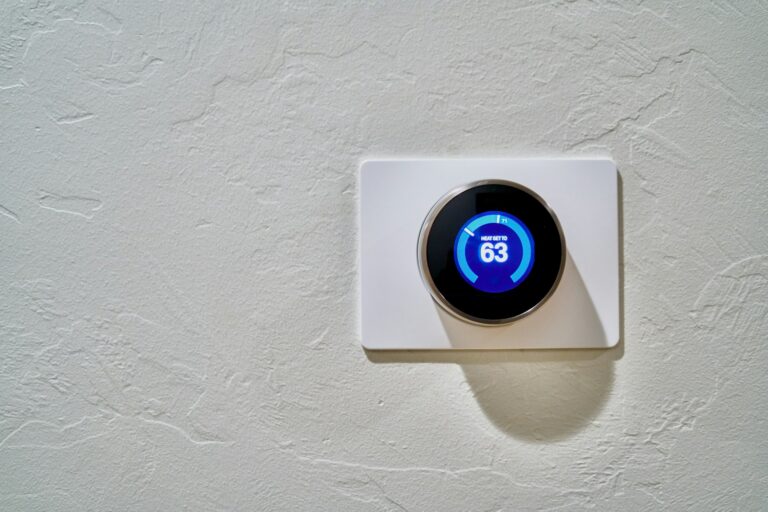 Humidity & Moisture ControlWhat Should You Set Your Thermostat to When You’re Away?In summer, raise the thermostat a few degrees instead of turning the AC off, generally no higher than the mid 80s, so the house…
 Humidity & Moisture ControlWhy Do Your Windows Sweat, and Is It a Problem?Windows sweat when the glass is colder than the dew point of the air touching it. In Austin, outside fogging on muggy mornings is…
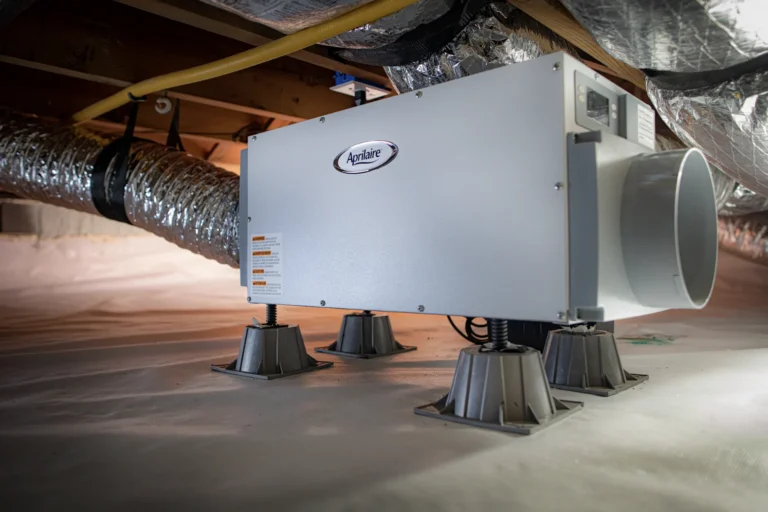 Humidity & Moisture ControlDo You Need a Dehumidifier If You Have Central AC?Many Austin homes don't: a correctly sized, well-maintained central AC in a reasonably tight house usually keeps indoor humidity below 60 percent in summer.…
 Humidity & Moisture ControlWhy Is My House Humid Even With the AC Running?Your AC only removes moisture when it runs long enough with air moving slowly across a cold coil, so anything that cuts that short…
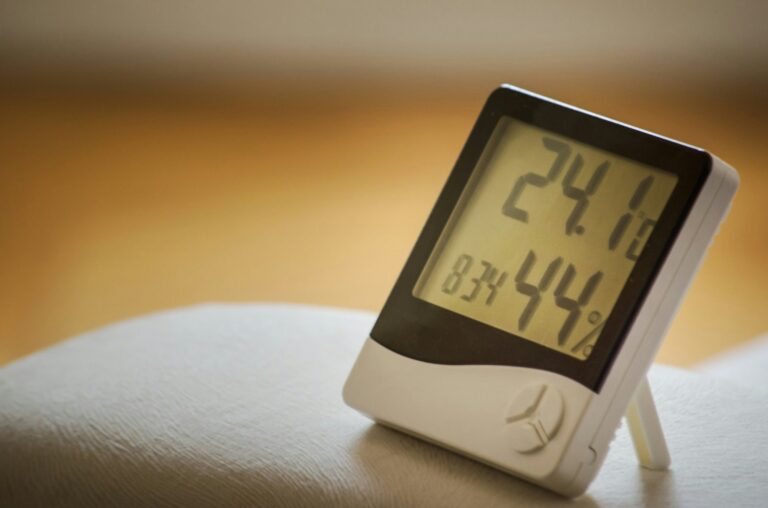 Humidity & Moisture ControlWhat Indoor Humidity Level Should You Keep in an Austin Home?Aim for about 40 to 50 percent relative humidity indoors during an Austin summer, and don't let it sit above 60 percent for long.…
 Humidity & Moisture ControlDoes a Bathroom Exhaust Fan Need to Vent Outside?Yes. A bathroom exhaust fan should be ducted all the way outdoors through a roof or wall cap with a damper flap. The residential…
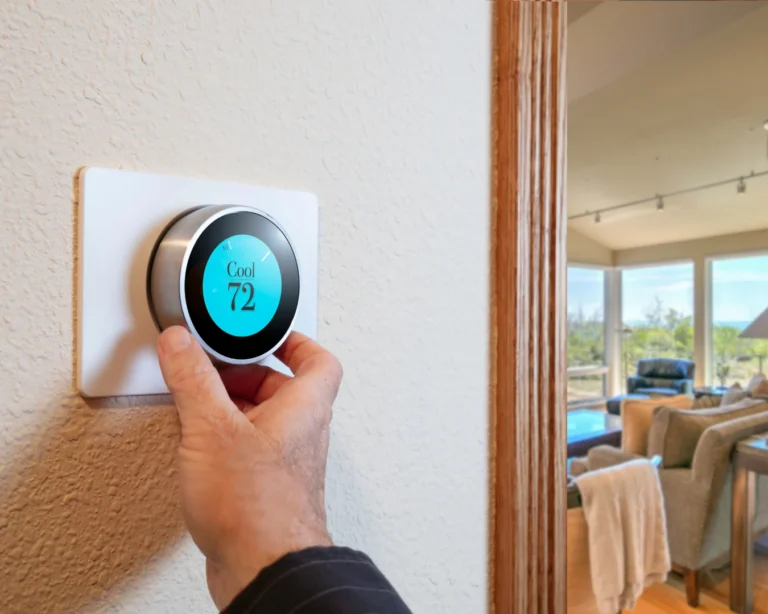 Humidity & Moisture ControlShould You Run Your HVAC Fan on ON or AUTO?For most Austin homes, AUTO is the better fan setting in cooling season. On AUTO, water on the cold AC coil drains away after…
- Humidity & Moisture ControlShould You Run Your AC After Water Damage?Usually yes, if the HVAC equipment and ducts stayed dry. The AC is one of your best tools for drying a Central Texas house,…
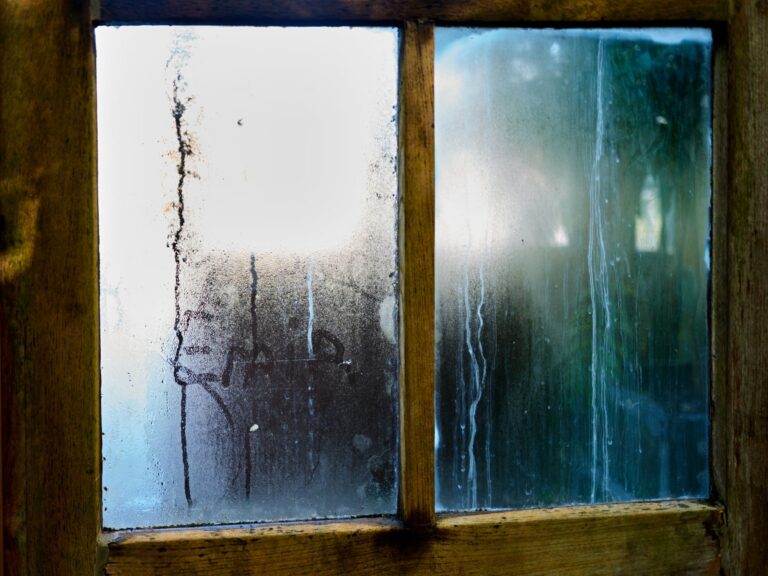 Humidity & Moisture ControlMoisture From Below: Slab and Pier-and-Beam Homes in Central TexasGround moisture reaches Austin homes two ways: as vapor moving up through concrete slabs, and as humid outdoor air flowing through vented crawlspaces under…
 Humidity & Moisture ControlFresh Air in a Tight House: Ventilation Options for Newer Austin HomesNewer Austin homes are built tight, so stale air, odors and moisture no longer leak out by accident. The fix is planned ventilation: exhaust…
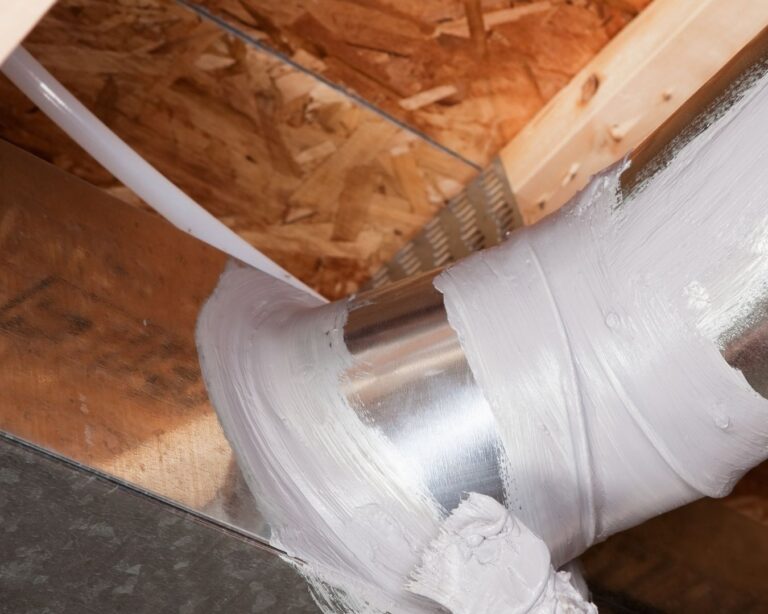 Humidity & Moisture ControlWhy Your Vents and Ducts Sweat: Dew Point and Condensation ExplainedVents and ducts sweat when a cold surface meets air whose dew point is above that surface's temperature. AC supply air leaves the coil…
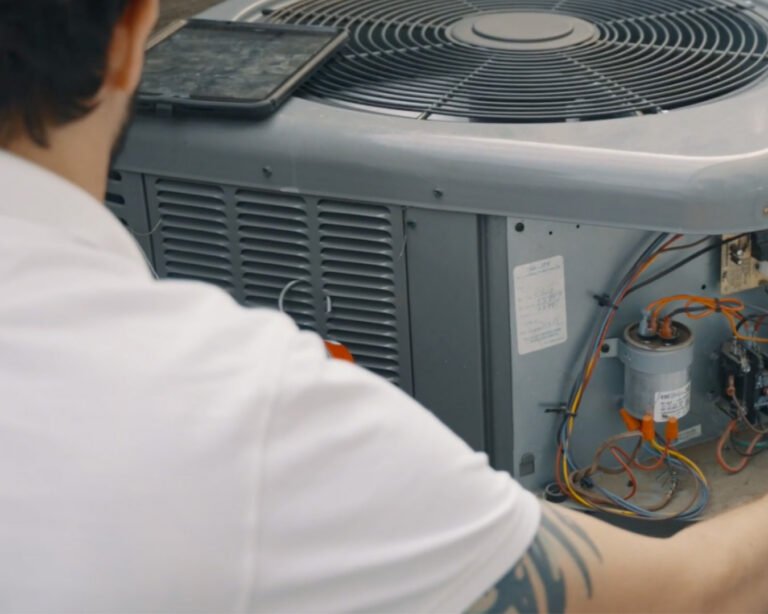 Humidity & Moisture ControlWhy a Bigger AC Isn’t Better in Texas HeatAn oversized AC reaches the thermostat setting so fast that it shuts off before the coil pulls much moisture out. That short cycling leaves…