
 HVAC Systems
 Heating
 Ductwork & Air Flow
 Ventilation
 Filtration
 Dehumidification
 Maintenance
 Mold
Mold Remediation & Restoration
 Pure Maintenance
 Your Home
 Building Science
 Insulation & Envelope
 Health & Safety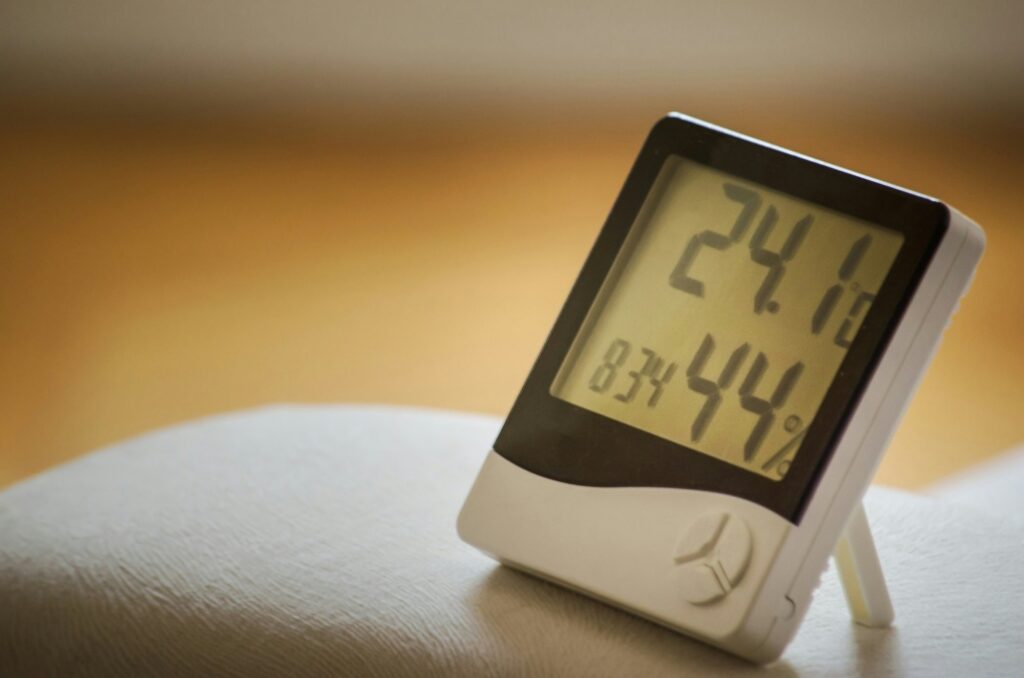
Quick answer: Aim for about 40 to 50 percent relative humidity indoors during an Austin summer, and don’t let it sit above 60 percent for long. The EPA recommends keeping indoor humidity below 60 percent, ideally 30 to 50 percent, to limit mold and mildew growth. In winter, 30 to 40 percent is comfortable and keeps cold windows from fogging.
In this guide
Why does indoor humidity matter as much as temperature?
Because it decides how the temperature feels. At 75°F and 45 percent humidity, most people are comfortable. At 75°F and 65 percent, the same room feels sticky, and people start turning the thermostat down to make up for it, which costs more and leaves the air damp.
Humidity also affects the house. When it stays high, closet walls, the backs of furniture and the undersides of rugs stay damp enough for mold and mildew to grow, and dust mites thrive. Our guide on how indoor moisture affects your home’s air goes deeper.
What humidity should you aim for each season in Austin?
- Summer: 40 to 50 percent. A correctly sized, working AC usually lands here, and it’s where the house feels best.
- Spring and fall: the same target, but these are the hardest months. On a 78°F rainy day the AC barely runs, so it barely dehumidifies, and indoor humidity can creep past 60.
- Winter: 30 to 40 percent. Cold fronts bring dry air, and heating lowers relative humidity further. Most Austin homes drift back into range within days, once Gulf moisture returns.
How do you measure indoor humidity?
With a hygrometer, a small humidity meter. Buy an inexpensive digital one or two and put them in different rooms, including a bedroom and a room you rarely use. Many smart thermostats show humidity too. Cheap meters can be off by a few points, so watch the trend over a week rather than one reading.
If you want a steadier gauge, watch the dew point, the temperature at which moisture in the air would start to condense. At 75°F, 50 percent relative humidity is a dew point of about 55°F, and keeping the indoor dew point near or below that keeps most homes comfortable. The bucket analogy for relative humidity explains why dew point is the better number.
What if your indoor humidity stays above 60 percent?
Something is either adding moisture or keeping the AC from removing it. Start with the easy checks; the last one is a technician’s job:
- Set the thermostat fan to AUTO, not ON, so the fan doesn’t blow coil moisture back into the house.
- Run bath fans during and after showers, and the range hood while cooking.
- Watch how the AC cycles. Short, frequent cycles often point to an oversized system.
- Look for water: plumbing leaks, drainage against the foundation, or a damp crawlspace under a pier-and-beam home.
- Have the system checked for airflow settings, a dirty coil or leaky ducts.
If those are handled and summer humidity still runs high, a whole-home dehumidifier is the usual next step. Gold Eagle installs them, in the attic or a closet depending on the home; where yours would go is part of our free inspection for dehumidifier installs. See our indoor air quality services. The older post on balancing indoor humidity has more tips.
Can indoor air be too dry?
Yes, mostly in winter. Below about 30 percent you’ll notice more static shocks, and wood floors, doors and furniture can shrink and gap. Here it rarely lasts more than a few days, and it’s almost never a summer problem.
What should you do next?
- Put a digital hygrometer in a bedroom and a room you rarely use, and watch the readings for a week.
- Set the thermostat fan to AUTO and run bath fans during and after showers.
- If readings stay above 60 percent, note how often the AC cycles on and off.
- Book a Gold Eagle visit or call 512-489-4653 to have airflow, the coil and the ducts checked if humidity stays high.
Related guides: What Relative Humidity Really Means: The Bucket Analogy, How Indoor Moisture Affects Your Home’s Air and Balancing Indoor Humidity for Summer Comfort.
About Gold Eagle Services: This guide comes from the team at Gold Eagle Services, a family-run Austin HVAC, indoor air quality and mold remediation company founded in 2017. We’re licensed (TACLA119235 and RCO1783), insured and bonded, and we serve homes across the greater Austin area.
Need help with this in your home? Learn about our humidity control and indoor air quality solutions, or call 512-489-4653 to schedule a visit.
More in Humidity & Moisture Control
All 19 guides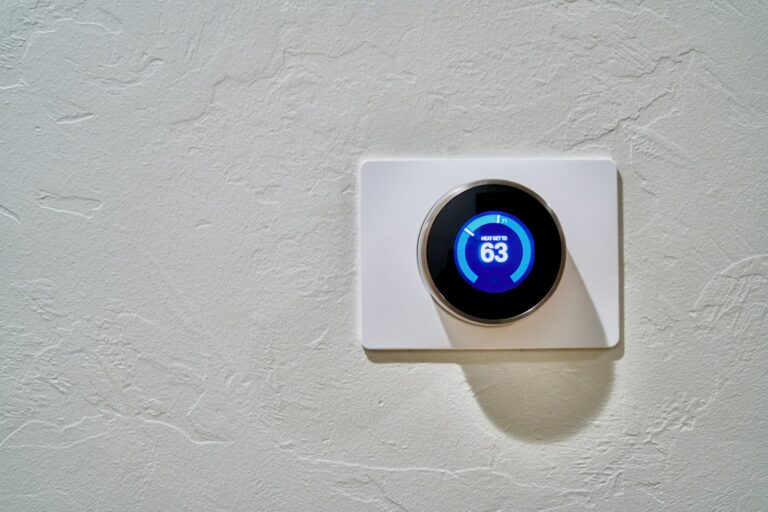 Humidity & Moisture ControlWhat Should You Set Your Thermostat to When You’re Away?In summer, raise the thermostat a few degrees instead of turning the AC off, generally no higher than the mid 80s, so the house…
 Humidity & Moisture ControlWhy Do Your Windows Sweat, and Is It a Problem?Windows sweat when the glass is colder than the dew point of the air touching it. In Austin, outside fogging on muggy mornings is…
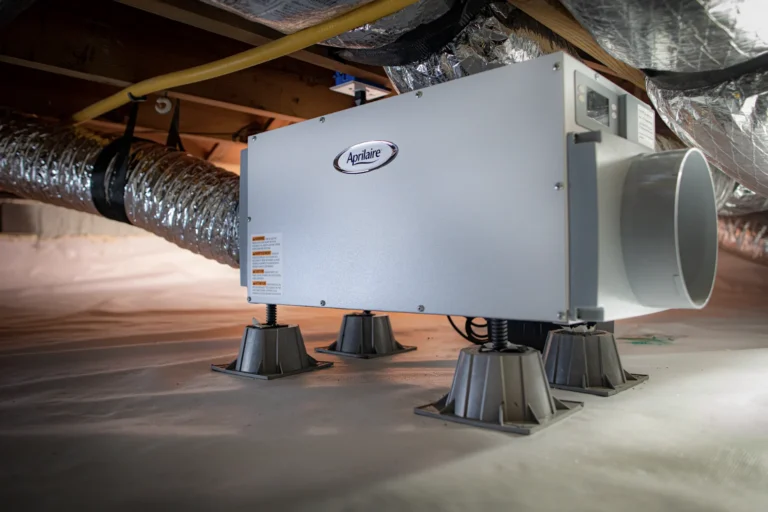 Humidity & Moisture ControlDo You Need a Dehumidifier If You Have Central AC?Many Austin homes don't: a correctly sized, well-maintained central AC in a reasonably tight house usually keeps indoor humidity below 60 percent in summer.…