
 HVAC Systems
 Heating
 Ductwork & Air Flow
 Ventilation
 Filtration
 Dehumidification
 Maintenance
 Mold
Mold Remediation & Restoration
 Pure Maintenance
 Your Home
 Building Science
 Insulation & Envelope
 Health & Safety
Mold Guides
17 guidesMold needs moisture, and humid Central Texas gives it plenty of chances, especially around AC coils, drain pans, attic ducts and slow leaks. These guides explain how mold starts, how to spot it, what testing can tell you and why fixing the moisture source matters most.
Start with Can Your HVAC System Grow Mold? How to Prevent It, then read Warning Signs of Mold in Your HVAC System and Mold Testing: What Each Method Can and Can't Tell You.
When mold reaches the AC unit, coil or ducts, the HVAC side of the cleanup is its own job, and our HVAC restoration page explains how that work fits with a licensed mold remediation project.
- All
- Air Quality & Moisture
- Indoor Air Quality (IAQ)
- Humidity & Moisture Control
- Mold
- Remediation & Restoration
- Pure Maintenance
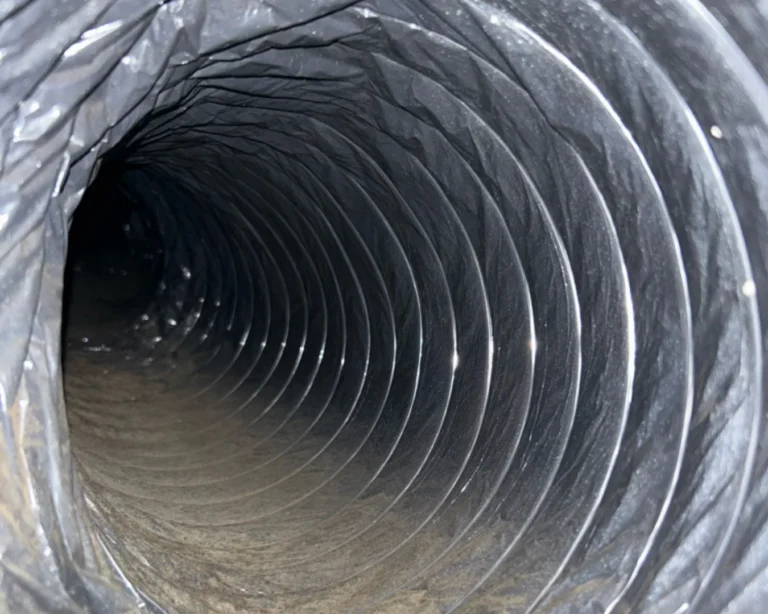 MoldWhat Should a Texas Mold Assessor Check on Your HVAC System?A Texas mold assessment consultant should check the HVAC parts that hold water or move air: drain pan, drain line, coil cabinet, filter, duct…
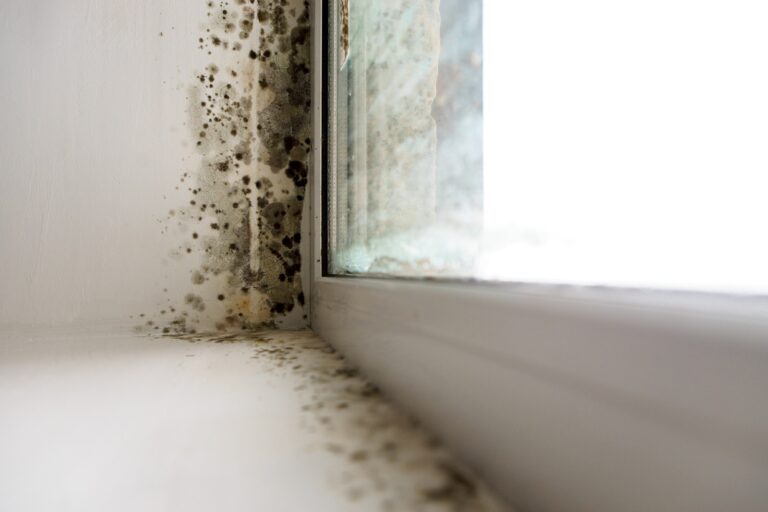 MoldIs It Safe to Stay in Your Home During Mold Remediation?Often yes, for smaller jobs where the work area is sealed off with plastic containment, kept under negative air pressure, and you stay out…
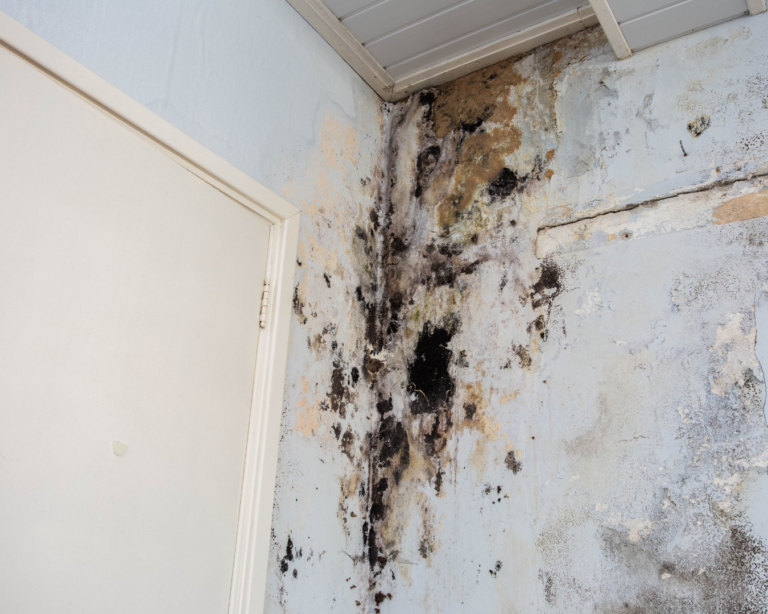 MoldWhat to Do in the First 48 Hours After a Water LeakStop the water, make the area safe around electricity, take photos, then get everything drying fast. The EPA says wet materials dried within 24…
 MoldHow Indoor Moisture Affects Your Home’s AirExcess indoor moisture, whether humidity that stays above about 60%, a leak or condensation, creates conditions where mold, bacteria and dust mites can grow,…
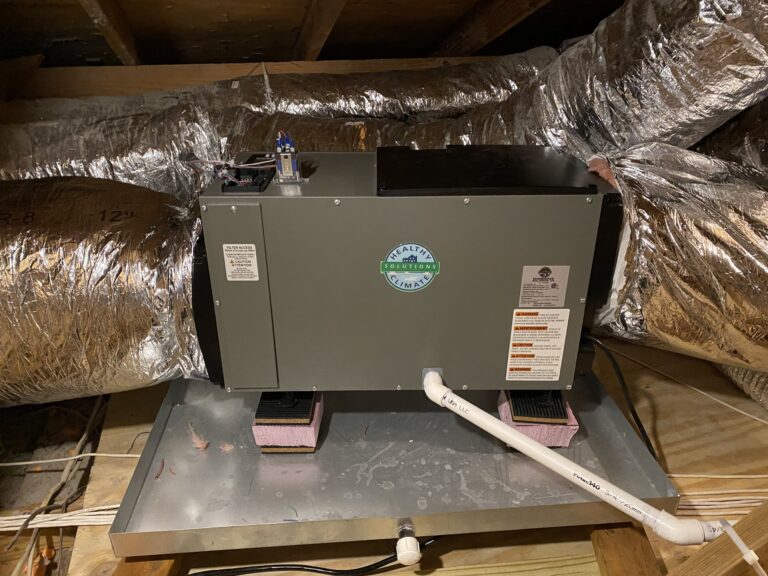 MoldIndoor Air Quality Beyond Mold: Dust, VOCs, Filtration and UpkeepMold gets most of the attention, but dust, pollen, VOCs and fine particles also affect the air in your home. The practical tools are…
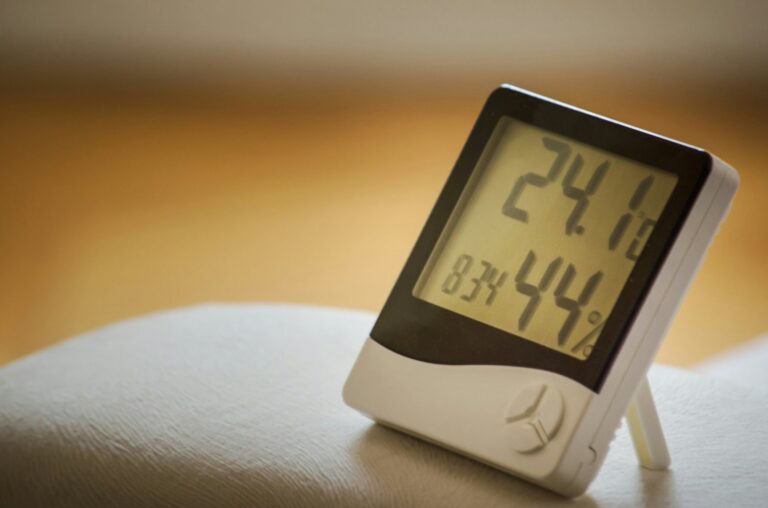 MoldBest Practices for Mold Prevention in Your HVAC SystemA properly sized, well-maintained HVAC system is one of the best tools for mold prevention because it removes humidity every time it cools. Keep…
 MoldBuilding Science Best Practices for Mold PreventionMold prevention comes down to moisture control. Keep indoor relative humidity below 60% (ideally 30-50%), fix leaks and drainage problems quickly, and build and…
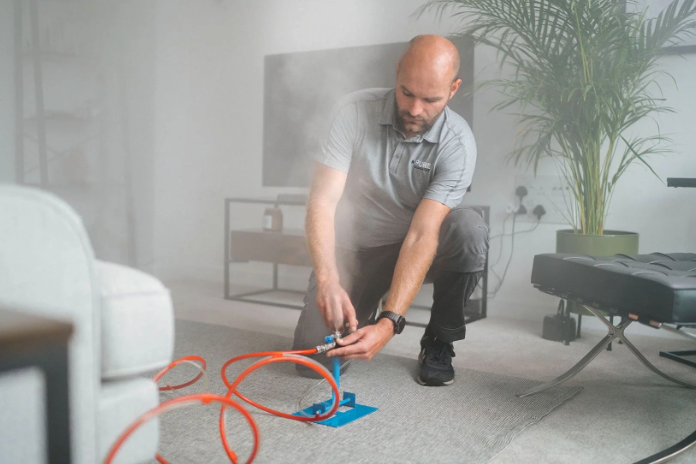 MoldU.S. Army Corps of Engineers Case Study: Pure Maintenance Dry-Fog ProcessA U.S. Army ERDC study tested Pure Maintenance's two-step dry-fog process in two vacant Fort Campbell buildings and found large, immediate drops in airborne…
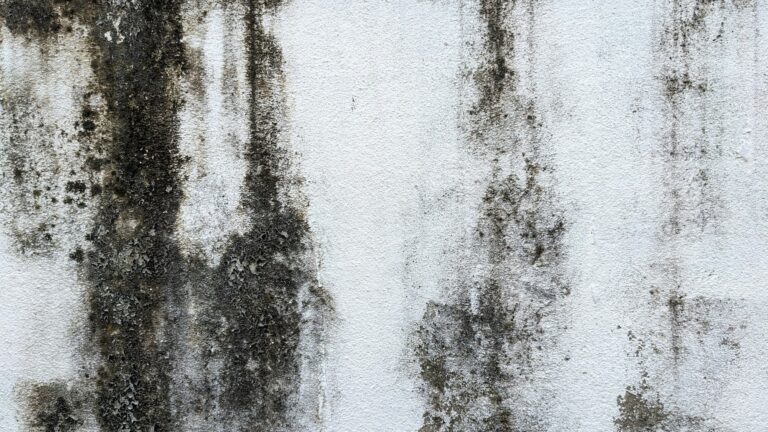 MoldMold Testing: What Each Method Can and Can’t Tell YouNo single mold test gives a complete picture of your home. Air samples, surface samples (tape lifts and swabs), dust DNA tests like ERMI…
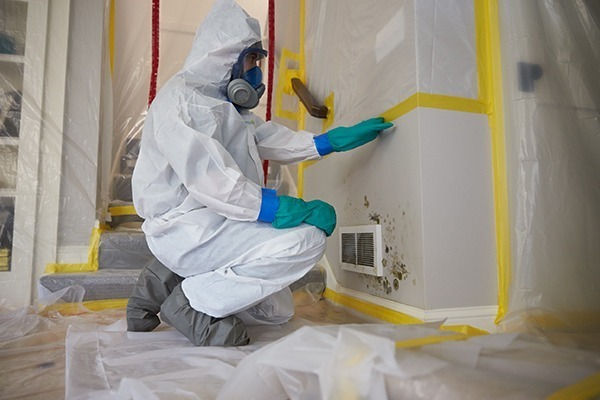 MoldWhy a “Remediated” Home Can Still Have Mold ProblemsA home can pass a remediation clearance test and still have mold problems if the moisture source wasn't fixed, humidity stays high, or spores…
 MoldLyme Disease, Mold and Your Home: Questions Our Customers AskSome customers managing Lyme disease ask whether moisture or mold in their home is worth looking into. We're not medical providers, so health questions…
 MoldCIRS and Your Home’s Air: What We Hear From CustomersSome customers with CIRS (Chronic Inflammatory Response Syndrome) ask how their home fits in. Health questions belong with your doctor. We can help find…