 HVAC Systems
 Heating
 Ductwork & Air Flow
 Ventilation
 Filtration
 Dehumidification
 Maintenance
 Mold
Mold Remediation & Restoration
 Pure Maintenance
 Your Home
 Building Science
 Insulation & Envelope
 Health & Safety
- Home
- Resource Center
- Your Home
- Building Science

Building Science Guides
16 guidesBuilding science is the study of how heat, air and moisture move through a house. In Austin, where attics bake and summer air is heavy with humidity, those forces explain a lot: sweating vents, clammy rooms, dusty air and equipment that seems too big or too small.
Good places to begin are Why Your Vents and Ducts Sweat, Where Your Home Leaks Air and Smart HVAC Design: Manual J, D & S Explained. Together they cover condensation, air leakage and system sizing.
Because so many Central Texas ducts run through hot attics, our attic insulation page explains how insulation and air sealing work with your HVAC system.
 Building ScienceWhy Do Your Windows Sweat, and Is It a Problem?Windows sweat when the glass is colder than the dew point of the air touching it. In Austin, outside fogging on muggy mornings is…
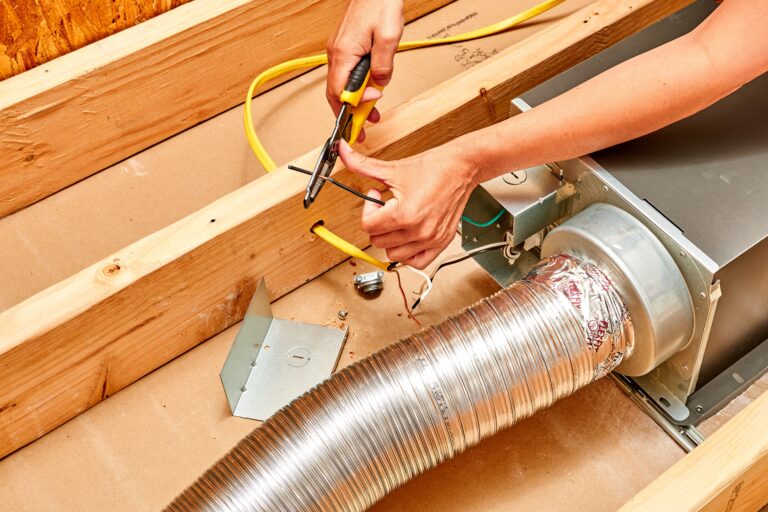 Building ScienceDoes a Bathroom Exhaust Fan Need to Vent Outside?Yes. A bathroom exhaust fan should be ducted all the way outdoors through a roof or wall cap with a damper flap. The residential…
 Building ScienceMoisture From Below: Slab and Pier-and-Beam Homes in Central TexasGround moisture reaches Austin homes two ways: as vapor moving up through concrete slabs, and as humid outdoor air flowing through vented crawlspaces under…
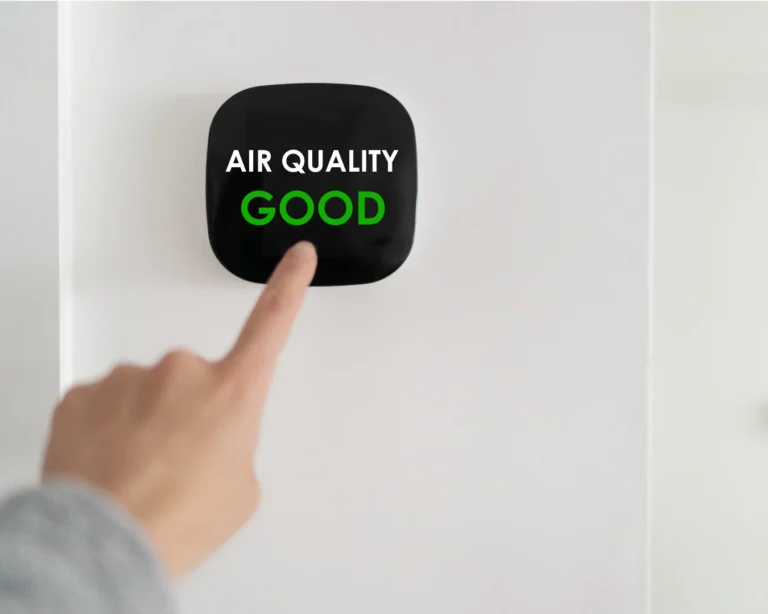 Building ScienceFresh Air in a Tight House: Ventilation Options for Newer Austin HomesNewer Austin homes are built tight, so stale air, odors and moisture no longer leak out by accident. The fix is planned ventilation: exhaust…
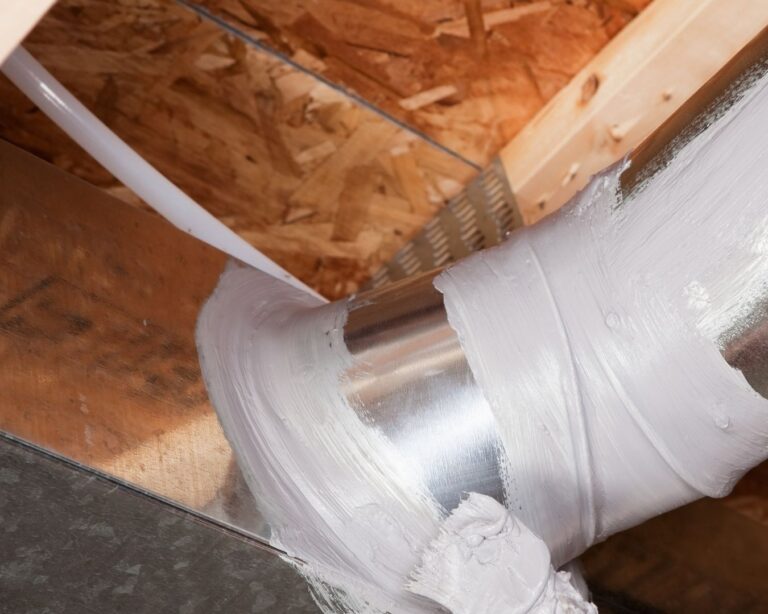 Building ScienceWhy Your Vents and Ducts Sweat: Dew Point and Condensation ExplainedVents and ducts sweat when a cold surface meets air whose dew point is above that surface's temperature. AC supply air leaves the coil…
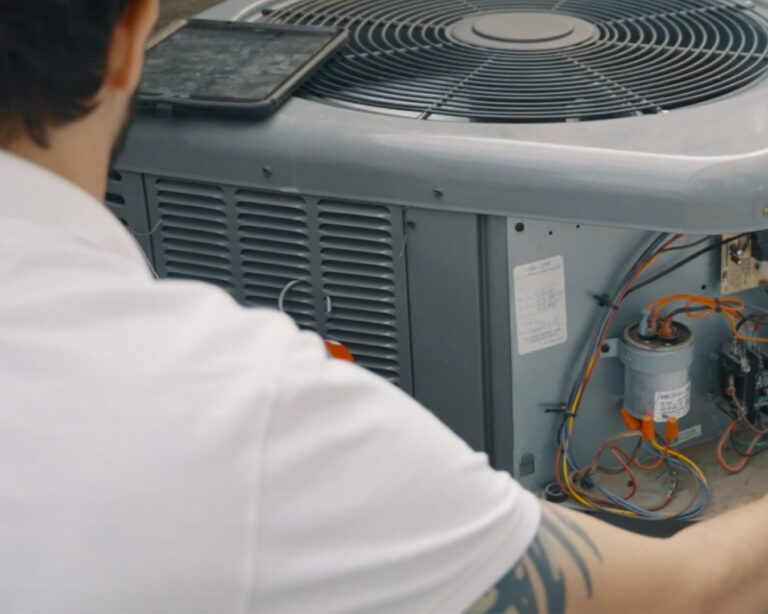 Building ScienceWhy a Bigger AC Isn’t Better in Texas HeatAn oversized AC reaches the thermostat setting so fast that it shuts off before the coil pulls much moisture out. That short cycling leaves…
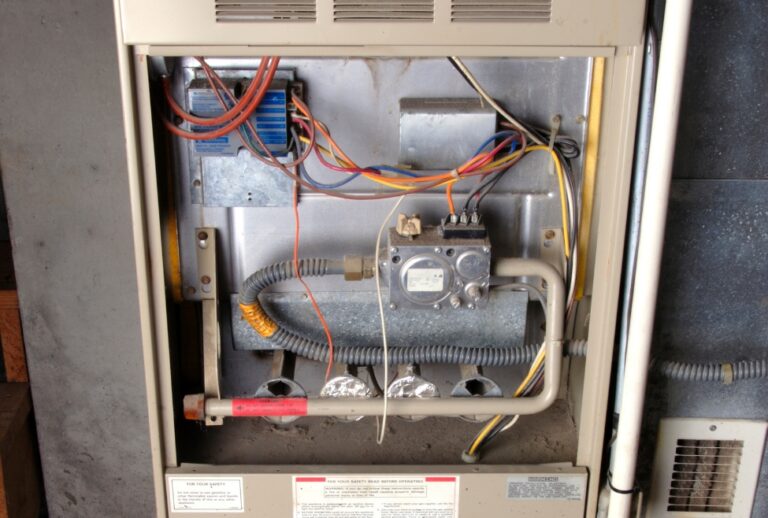 Building ScienceWhy a Bigger Furnace Isn’t Better: The Case for Dual FuelMost Austin winter days need only a little heat, so an oversized gas furnace short cycles: it blasts hot air, shuts off and repeats,…
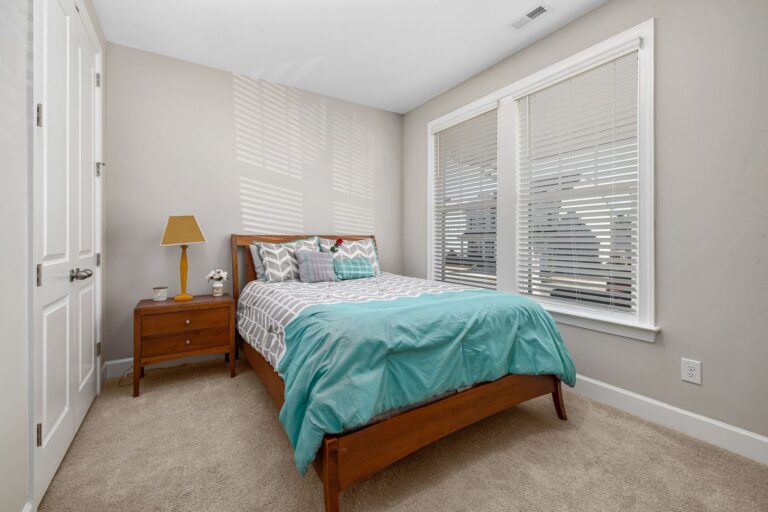 Building ScienceWhy Rooms Get Hot When You Close the Door: Return Air and Pressure BalanceA bedroom gets hot with the door closed when it has a supply register but no return path. Air blown in can't get back…
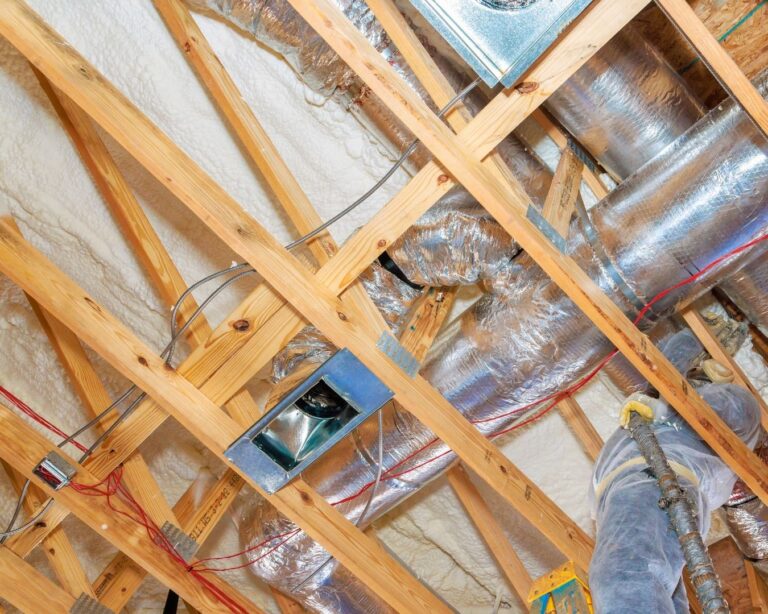 Building ScienceLeaky Ducts: How They Pull Attic Air and Dust Into Your HomeThe return side of your duct system runs under suction, so any leak in a return duct, filter grille or air handler cabinet in…
 Building ScienceWhere Your Home Leaks Air: Central Texas Air Sealing PrioritiesIn most Central Texas homes, the biggest air leaks aren't windows and doors but hidden openings in the attic and ductwork. Sealing between the…
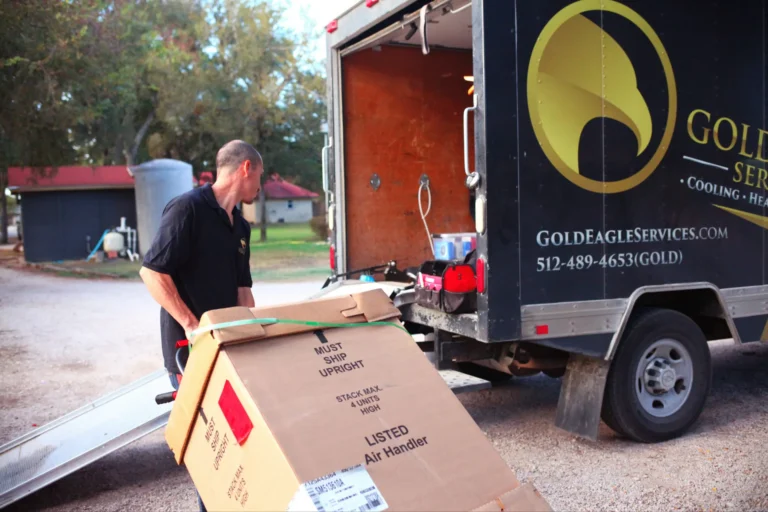 Building ScienceSmart HVAC Design: Manual J, D & S ExplainedManual J, S and D are the ACCA standards for designing home HVAC. Manual J calculates your home's heating and cooling load, Manual S…
- Building ScienceHow Insulation Helps Control Noise in Your HomeInsulation helps control noise by absorbing sound inside walls, floors and ceilings and by filling the gaps sound travels through. Fiberglass and hemp batts…