
 HVAC Systems
 Heating
 Ductwork & Air Flow
 Ventilation
 Filtration
 Dehumidification
 Maintenance
 Mold
Mold Remediation & Restoration
 Pure Maintenance
 Your Home
 Building Science
 Insulation & Envelope
 Health & Safety
Quick answer: Usually yes, if the HVAC equipment and ducts stayed dry. In Central Texas the AC is one of your best tools for pulling moisture out of the house while things dry, as long as indoor humidity ends up below 60%. Don’t run it if water reached the air handler, ducts or wiring, or if you suspect mold in the system, until a professional checks it, as the EPA advises.
In this guide
Why does running the AC help after a leak?
Because cooling and drying happen at the same coil. As warm indoor air crosses the cold evaporator coil, moisture condenses and runs down the drain. Wet drywall and carpet give off water into the air, and the AC keeps carrying it away. Open windows in a Central Texas summer do the opposite, since outdoor air is often wetter than what you’re trying to dry.
Set the fan to Auto, not On. With the fan running constantly, water sitting on the coil between cycles can evaporate right back into the house.
When should you not turn the AC on after water damage?
- Water reached the air handler or furnace, such as a closet unit that sat in water or an attic unit under a roof leak.
- Ducts or return grilles are in the wet area, like floor ducts in a flooded room.
- The water came from a sewer backup or outdoor flooding.
- Vents smell musty or you can see growth near the return.
- Any electrical part of the system got wet. Leave the breaker off.
The EPA’s flood guidance is to have an HVAC system that got wet checked and cleaned by a professional before you use it.
Can running the AC spread mold?
It can, if the mold is inside the system or the return is pulling air from an area with mold growth. The EPA advises against running an HVAC system you know or suspect is contaminated. During a mold remediation project, the work area is usually sealed off and its registers covered so the system doesn’t carry anything from that room to the rest of the house.
Is the AC enough, or do you need dehumidifiers and fans?
For a small leak caught early, the AC plus a couple of fans is often enough. Bigger losses need dedicated dehumidifiers and air movers, because the AC only removes moisture while it’s cooling. On a mild spring day it may barely run, and humidity climbs. An oversized system short-cycles and removes less water than you’d expect; why a bigger AC isn’t better explains why.
A simple hygrometer, or the humidity reading on your thermostat, tells you whether it’s working. Aim for below 60%, ideally 30% to 50%, per the EPA.
What should you check on the AC once everything is dry?
- Swap the filter. Drying and demolition put a lot of dust in the air.
- Make sure the condensate drain is flowing, since it handled extra water.
- Notice any musty smell when the system starts.
- Have the coil and drain pan looked at if the leak was near the equipment.
Can your HVAC system grow mold? covers how to keep the system itself clean going forward, and how indoor moisture affects your home’s air covers the humidity side.
Related guides: How Indoor Moisture Affects Your Home’s Air, Can Your HVAC System Grow Mold? How to Prevent It and Why a Bigger AC Isn’t Better in Texas Heat.
About Gold Eagle Services: This guide comes from the team at Gold Eagle Services, a family-run Austin HVAC, indoor air quality and mold remediation company founded in 2017. We’re licensed (TACLA119235 and RCO1783), insured and bonded, and we serve homes across the greater Austin area.
Need help with this in your home? Learn about our humidity control and indoor air quality solutions, or call 512-489-4653 to schedule a visit.
Related Gold Eagle service: HVAC mold remediation
More in Remediation & Restoration
All 7 guides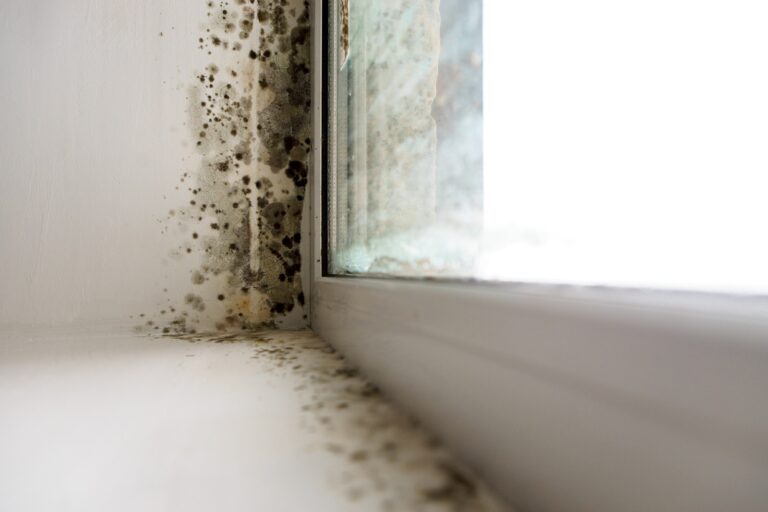 Remediation & RestorationIs It Safe to Stay in Your Home During Mold Remediation?Often yes for smaller jobs that are sealed off with containment, but large projects, HVAC work or sensitive household members may mean staying elsewhere.
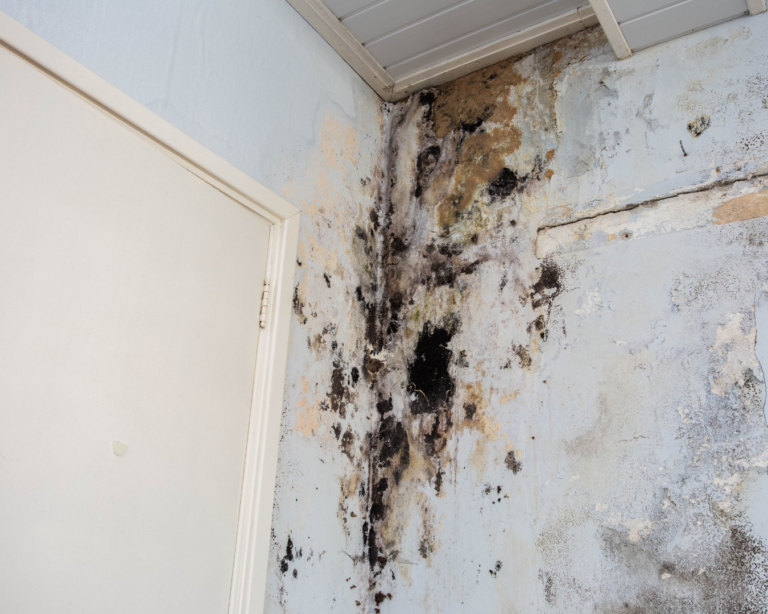 Remediation & RestorationWhat to Do in the First 48 Hours After a Water LeakStop the water, make the area safe, document the damage and get everything drying fast, since the EPA says drying within 24 to 48…
 Remediation & RestorationU.S. Army Corps of Engineers Case Study: Pure Maintenance Dry-Fog ProcessA U.S. Army ERDC study tested Pure Maintenance's two-step dry-fog process in two vacant Fort Campbell buildings and found large, immediate drops in airborne…