 HVAC Systems
 Heating
 Ductwork & Air Flow
 Ventilation
 Filtration
 Dehumidification
 Maintenance
 Mold
Mold Remediation & Restoration
 Pure Maintenance
 Your Home
 Building Science
 Insulation & Envelope
 Health & Safety
- Home
- Resource Center
- Your Home
- Health & Safety

Health & Safety Guides
15 guidesSome home hazards are easy to miss because you can't see or smell them. These guides cover carbon monoxide, radon, asbestos, lead paint, ozone generators, heater smells and spray foam concerns, with practical steps for Austin and Central Texas homeowners.
Begin with Hidden Home Hazards: Radon, CO, Asbestos, Lead Paint and Fire for the big picture. Then read Heater Smells Like Burning? What's Normal and When to Call before the first cold front, and Are Ozone Generators Safe for Indoor Air? before buying any air cleaning gadget.
Fuel-burning equipment should be checked every fall, and our heating tune-up page lists the safety checks included in a seasonal inspection.
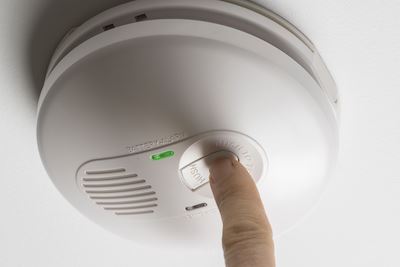 Health & SafetyWhy Is Your Carbon Monoxide Alarm Beeping or Chirping?Four loud beeps and a pause, repeating, usually means the alarm has detected carbon monoxide: get everyone outside and call 911. A single chirp…
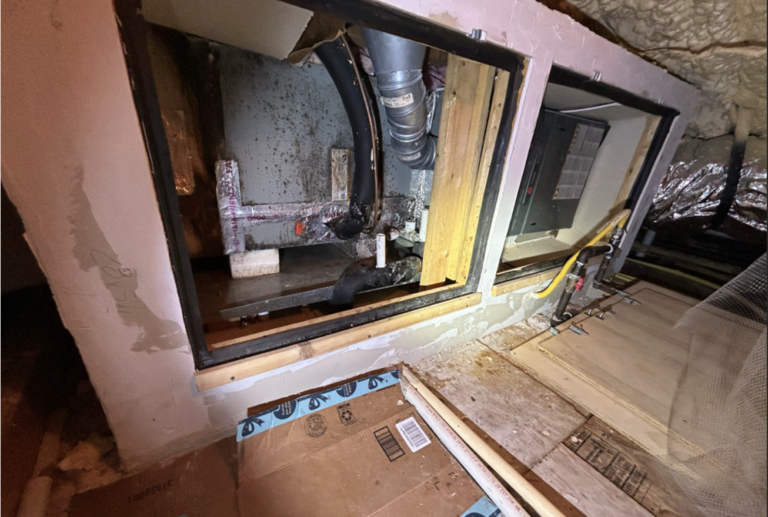 Health & SafetyWhat Should You Do If You Smell Rotten Eggs Near Your Furnace or Water Heater?A rotten egg or sulfur smell near a furnace or water heater can mean a gas leak. Get everyone out right away, and don't…
 Health & SafetyAre Space Heaters Safe to Use Alongside Central Heat?Yes, if you follow the CPSC's basics: keep an electric space heater at least 3 feet from anything that can burn, plug it straight…
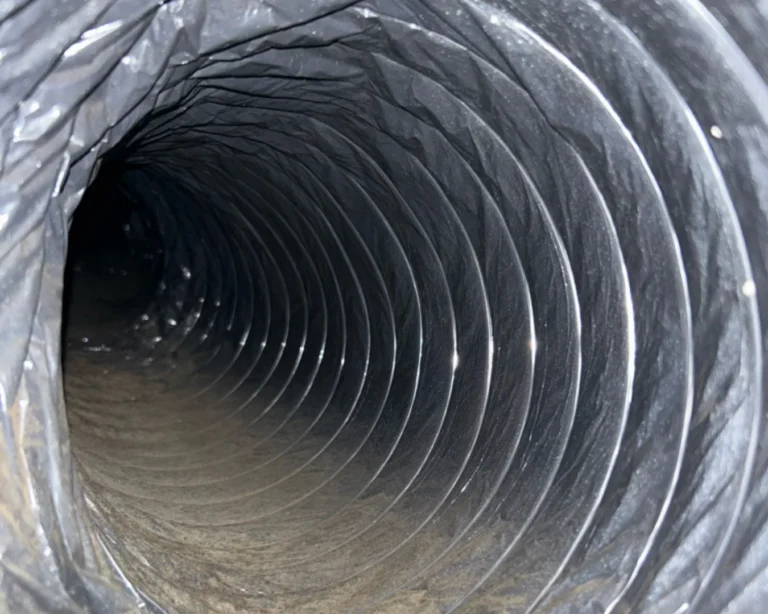 Health & SafetyCan a Dirty Air Conditioner Make You Sick?A dirty AC doesn't create germs on its own, but it can recirculate dust and, if the coil, drain pan or ducts stay wet,…
 Health & SafetyWhere Should CO Detectors Go in a Home With a Gas Furnace?Put a carbon monoxide alarm on every level of the home and outside each sleeping area, as CPSC and NFPA recommend. With a gas…
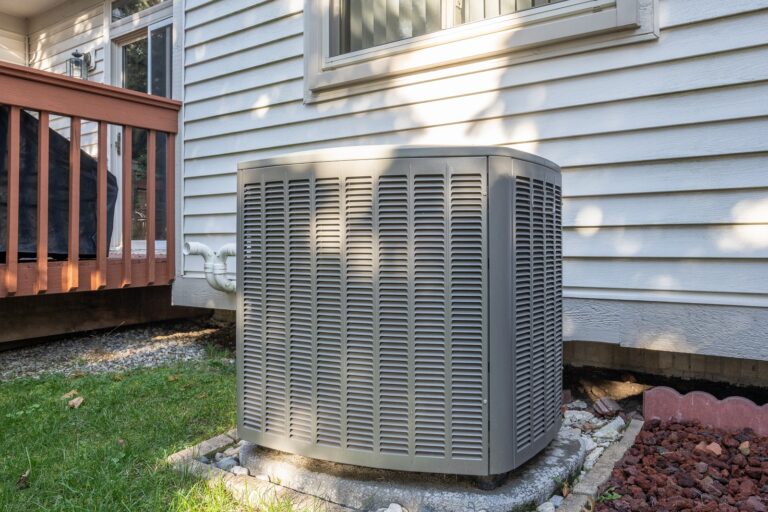 Health & SafetyCan an Air Conditioner Produce Carbon Monoxide?No. A central air conditioner or heat pump runs on electricity and burns no fuel, so it cannot make carbon monoxide. CO comes from…
 Health & SafetyWhat Should You Do If Your AC Stops Working in a Heat Wave?Get the people and pets who handle heat worst somewhere cool first, then try a few safe checks: thermostat set to Cool, a clean…
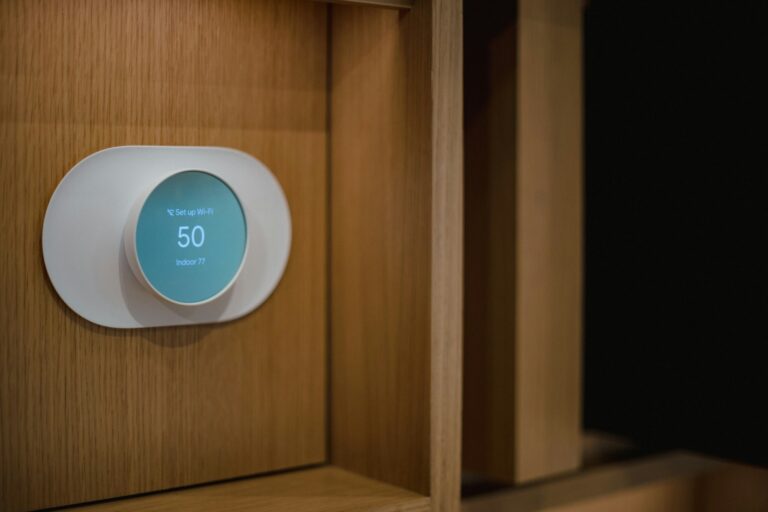 Health & SafetyHeater Smells Like Burning? What’s Normal and When to CallA light, dusty burning smell the first few times you run the heat each fall is usually normal and fades within a few cycles.…
 Health & SafetyAre Ozone Generators Safe for Indoor Air?No, ozone generators should not be run where people or pets are present. The EPA advises against using them as air cleaners in occupied…
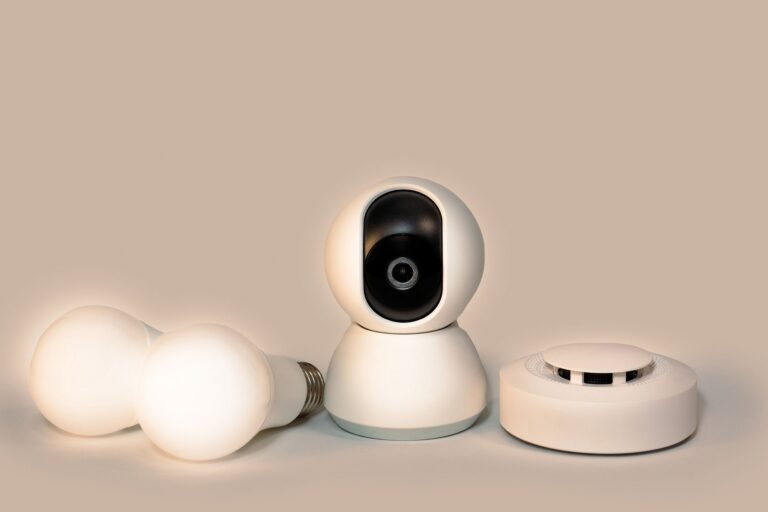 Health & SafetyHidden Home Hazards: Radon, CO, Asbestos, Lead Paint and FireThe main hidden home hazards are radon, carbon monoxide, asbestos, lead paint and fire. Most can't be seen or smelled, so the basics are…
 Health & SafetyLyme Disease, Mold and Your Home: Questions Our Customers AskSome customers managing Lyme disease ask whether moisture or mold in their home is worth looking into. We're not medical providers, so health questions…
 Health & SafetyCIRS and Your Home’s Air: What We Hear From CustomersSome customers with CIRS (Chronic Inflammatory Response Syndrome) ask how their home fits in. Health questions belong with your doctor. We can help find…