
 HVAC Systems
 Heating
 Ductwork & Air Flow
 Ventilation
 Filtration
 Dehumidification
 Maintenance
 Mold
 Remediation & Restoration
 Pure Maintenance
 Your Home
 Building Science
 Insulation & Envelope
 Health & Safety
 Case Study
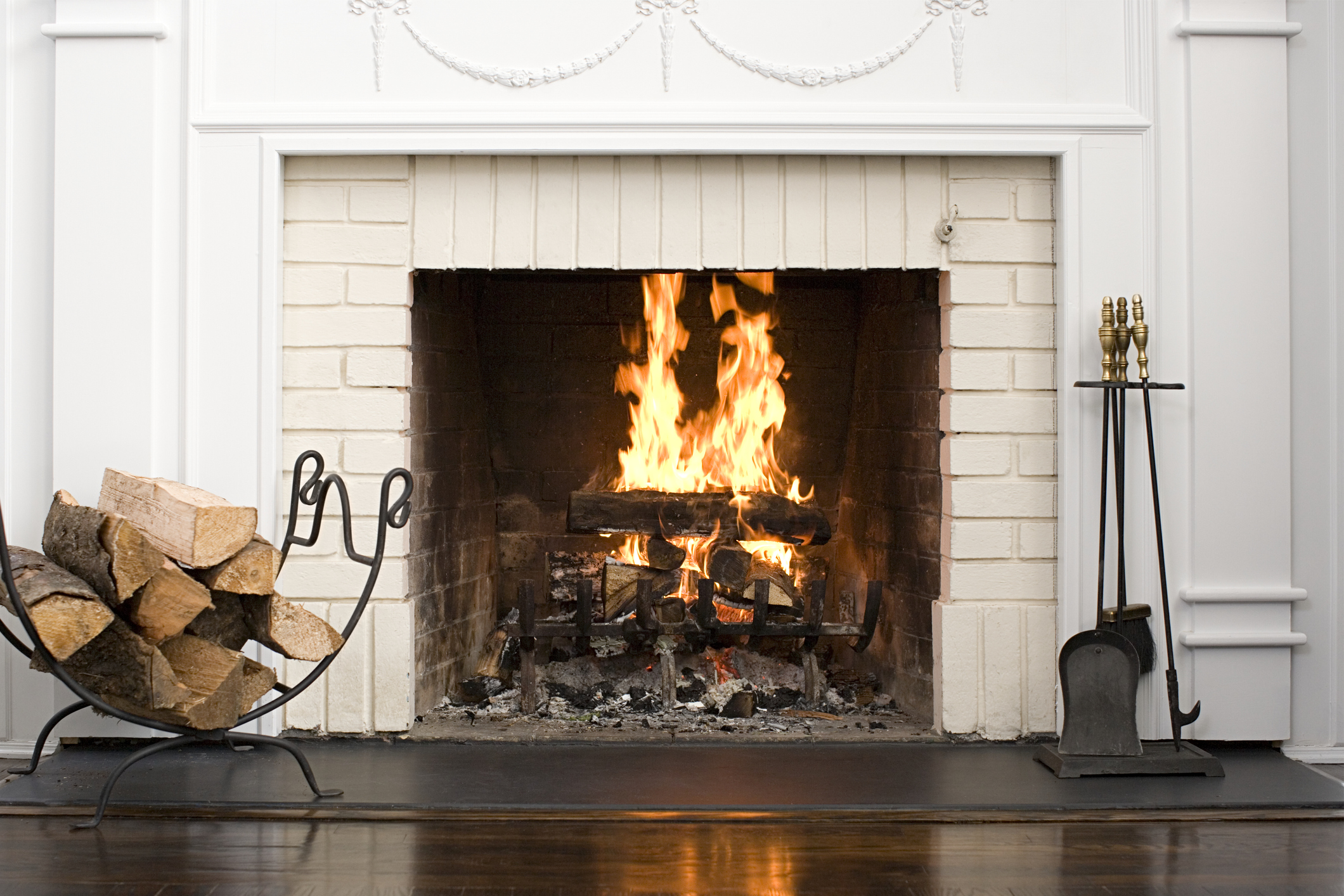
Quick answer: Yes, with some care. Open the damper before lighting the fire and keep it open until the ashes are cool, use a screen and keep working CO alarms. Go easy on exhaust fans while it burns so they don’t pull smoke back inside, and expect the fire to send some heated air up the chimney.
In this guide
Does using a fireplace make the rest of the house colder?
It can, a little. A wood fire needs air, so it pulls room air, already warmed by your furnace or heat pump, up the chimney, and cold outdoor air leaks in elsewhere to replace it. The room with the fire feels great. Rooms down the hall can get cooler.
Where the thermostat sits matters. If it shares a room with the fireplace, the fire satisfies it, and the central heat stops running for the rest of the house. That’s not dangerous, just something to expect. Ceiling fans on low in winter mode can spread the warmth, as covered in which way ceiling fans should turn in winter.
Why does fireplace smoke come back into the house?
Often because of exhaust fans. A range hood, bathroom fans and the clothes dryer all push air out of the house, and the replacement air has to come from somewhere. In a tight house, one path is down the chimney, and smoke comes with it.
Run big exhaust fans sparingly while a fire burns, and crack a window near the fireplace if smoke starts rolling into the room. Newer, tightly built Austin homes are more prone to this, as explained in fresh air in a tight house.
Your HVAC blower mostly recirculates house air, so it’s rarely the culprit. Leaky supply ducts in the attic can push air out of the house while it runs and help pull smoke back down, and a return grille right next to the fireplace can pull in a little smoke. If the filter reeks of smoke, the fire probably isn’t drafting (drawing smoke up the chimney) well. If leaky attic ducts are part of the problem, Gold Eagle’s technicians test and seal ductwork in homes across the Austin area.
How do you use a fireplace safely?
Keep the chimney inspected, the damper open and the fire contained. The Round Rock Fire Department’s fireplace guidance makes a good local checklist:
- Have a chimney sweep certified by the Chimney Safety Institute of America (CSIA) inspect the chimney every year and clean it as needed.
- Open the damper before lighting the fire, and keep it open until the ashes are cool.
- Use a screen to keep sparks in.
- Burn well-seasoned wood, never gasoline, lighter fluid, trash or gift wrap.
- Keep furniture, rugs, papers and the Christmas tree away from the fireplace.
- Put the fire out completely before going to bed or leaving the house.
The National Fire Protection Association (NFPA) adds that cooled ashes belong in a metal container kept outside, away from the house. CSIA notes that restricted airflow, such as a damper that isn’t fully open, speeds up creosote buildup, the sticky, flammable tar that lines a chimney.
Can a fireplace cause carbon monoxide in the house?
Yes. Every fire makes carbon monoxide, and a blocked or poorly drafting chimney can send it into the house. The Consumer Product Safety Commission (CPSC) recommends CO alarms on every level of the home and outside sleeping areas, and a professional inspection of fireplaces and chimneys every year. If a CO alarm sounds, get everyone outside and call 911. Where CO alarms should go covers placement.
Should the damper stay open with gas logs?
Yes, for vented gas logs, and follow the maker’s instructions exactly. They need the damper open, and many installations have a clamp that keeps it from closing fully. Leave the clamp in place. Gas logs are one more CO source, so the same alarms apply.
What should you do next?
- Have a CSIA-certified chimney sweep inspect the chimney before the season’s first fire.
- Test your CO alarms and make sure there’s one on every level and outside sleeping areas.
- Open the damper before you light the fire and keep it open until the ashes are cool.
- Go easy on the range hood, bathroom fans and dryer while a fire burns.
- If the filter smells of smoke after every fire, book a Gold Eagle visit to have the ducts and return checked.
Related guides: Where Should CO Detectors Go in a Home With a Gas Furnace?, Hidden Home Hazards: Radon, CO, Asbestos, Lead Paint and Fire and Should You Run Ceiling Fans in Winter, and Which Direction?
About Gold Eagle Services: This guide comes from the team at Gold Eagle Services, a family-run Austin HVAC, indoor air quality and mold remediation company founded in 2017. We’re licensed (TACLA119235 and RCO1783), insured and bonded, and we serve homes across the greater Austin area.
Need help with this in your home? Learn about our heater repair and tune-ups, or call 512-489-4653 to schedule a visit.
More in Health & Safety
All 20 guides Health & SafetyIs It Safe to Run a Generator During a Winter Power Outage?Yes, if the generator runs outdoors only, at least 20 feet from doors, windows and vents, and never in a garage, even with the…
 Health & SafetyWhat Is a Furnace Heat Exchanger, and Why Does It Matter?The heat exchanger is the metal chamber inside a gas furnace that keeps the flame and exhaust separate from the air going to your…
 Health & SafetyWhy Does My Furnace Rattle or Rumble When It Starts?A brief rattle as the blower spins up is often a loose panel, screw or duct connection. A rumble or boom as the burners…