
 HVAC Systems
 Heating
 Ductwork & Air Flow
 Ventilation
 Filtration
 Dehumidification
 Maintenance
 Mold
 Remediation & Restoration
 Pure Maintenance
 Your Home
 Building Science
 Insulation & Envelope
 Health & Safety
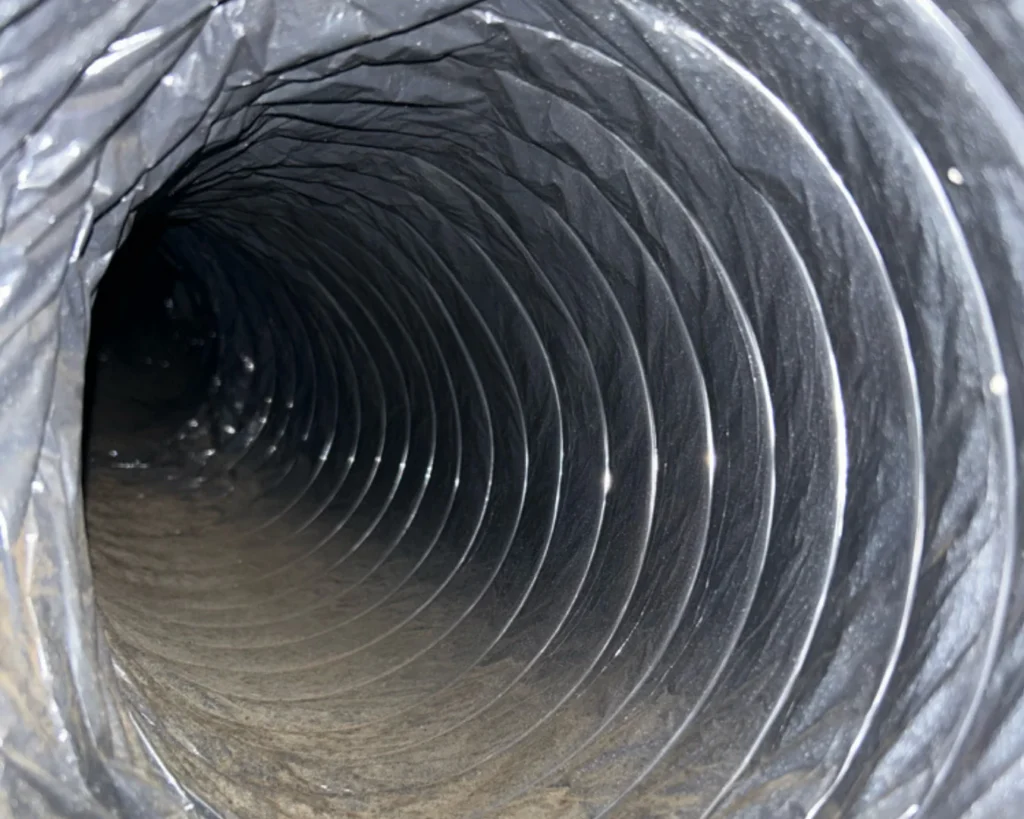
Quick answer: A dirty AC doesn’t create germs on its own, but it can recirculate dust and, if the coil, drain pan or ducts stay wet, grow mold that the blower then moves through the house. Whether that affects your health is a question for your doctor. What you can control is the equipment: a clean filter, a clean coil, a draining pan and indoor humidity under 60%.
In this guide
What gets dirty inside an air conditioner?
The parts that touch every breath of air in the house. The filter catches dust until it’s full. The indoor coil gets cold and wet all cooling season, so dust that slips past the filter sticks to it. The drain pan under the coil holds water, and the blower wheel and ducts collect whatever gets through.
In many Austin homes all of that lives in an attic air handler, out of sight and out of mind until something smells off.
How can a dirty AC affect the air in your home?
It changes what gets recirculated. A clogged or poorly fitted filter lets more dust past. Dust on a wet coil is food for mold, and a slow-draining pan can grow slime and a musty “dirty sock” smell.
Leaky return ducts can also pull attic dust and insulation fibers into the airstream; see how leaky ducts pull attic air into your home. If you have symptoms you think are tied to your home, talk with your doctor. We can speak to what’s going on in the equipment.
Can you get Legionnaires’ disease from a home air conditioner?
No, according to the CDC. Home and car air conditioners don’t use water to cool the air, so they aren’t a risk for Legionella growth. The outbreaks in the news trace back to large building systems with water-filled cooling towers, which homes don’t have.
What are the signs your AC needs cleaning?
- A musty smell when the system first kicks on.
- Dust or dark specks building up on supply grilles.
- Water standing in the drain pan, or a drain that clogs often.
- Visible growth on the coil or inside the air handler.
- Filters that turn gray unusually fast.
- Indoor humidity above 60% on the thermostat or a hygrometer (a small humidity gauge).
Warning signs of mold in your HVAC system goes into each of these.
What should you do about a dirty AC?
Start with the easy part: a fresh filter with the right MERV rating for your system (here’s how to choose). Keep indoor humidity below 60%, ideally 30% to 50%, as the EPA recommends. Then have a technician clean the coil, drain pan and blower if they need it.
If you suspect mold inside the system, the EPA advises not running the HVAC system until it’s checked, since running it can spread mold through the house. Mold in the AC system or ducts is HVAC mold work we handle; mold in walls or the attic goes to a general mold remediation company. In Texas, mold areas of 25 contiguous square feet or more that you hire out need a licensed mold assessor and a licensed remediation contractor.
Duct cleaning has its place, but the EPA says it hasn’t been shown to prevent health problems. The agency suggests it when there’s visible mold, vermin, or enough dust and debris that it blows out of the registers.
What should you do next?
- Pull the filter and replace it if it’s gray or clogged.
- Check indoor humidity on the thermostat or a hygrometer and aim to keep it below 60%.
- Note any musty smell when the system kicks on, or water standing in the drain pan.
- Book a visit to have the coil, drain pan and blower checked and cleaned if needed.
Related guides: Warning Signs of Mold in Your HVAC System (And What to Do About It), Can Your HVAC System Grow Mold? How to Prevent It and What Are MERV Ratings, and How Do They Affect IAQ?.
About Gold Eagle Services: This guide comes from the team at Gold Eagle Services, a family-run Austin HVAC, indoor air quality and mold remediation company founded in 2017. We’re licensed (TACLA119235 and RCO1783), insured and bonded, and we serve homes across the greater Austin area.
Need help with this in your home? Learn about our indoor air quality solutions, or call 512-489-4653 to schedule a visit.
More in Health & Safety
All 15 guides Health & SafetyWhy Is Your Carbon Monoxide Alarm Beeping or Chirping?Four loud beeps and a pause, repeating, usually means the alarm has detected carbon monoxide: get everyone outside and call 911. A single chirp…
 Health & SafetyWhat Should You Do If You Smell Rotten Eggs Near Your Furnace or Water Heater?A rotten egg or sulfur smell near a furnace or water heater can mean a gas leak. Get everyone out right away, and don't…
 Health & SafetyAre Space Heaters Safe to Use Alongside Central Heat?Yes, if you follow the CPSC's basics: keep an electric space heater at least 3 feet from anything that can burn, plug it straight…