
 HVAC Systems
 Heating
 Ductwork & Air Flow
 Ventilation
 Filtration
 Dehumidification
 Maintenance
 Mold
Mold Remediation & Restoration
 Pure Maintenance
 Your Home
 Building Science
 Insulation & Envelope
 Health & Safety
Quick answer: No. A central air conditioner or heat pump runs on electricity and burns no fuel, so it cannot make carbon monoxide. CO comes from fuel-burning equipment like a gas furnace, water heater, range or a car in an attached garage, and the AC’s blower and ducts can spread it through the house if one of those has a problem.
In this guide
Why doesn’t an air conditioner make carbon monoxide?
Carbon monoxide comes from burning fuel, and an AC doesn’t burn anything. It moves heat out of your house using electricity, a compressor, two fans and refrigerant sealed inside copper lines. That also settles a common follow-up: the warm air blowing out of the outdoor unit isn’t exhaust. It’s heat pulled out of your living room.
A heat pump does the same job in reverse in winter, moving heat in instead of out. The electric heat strips in its air handler glow hot like a toaster’s wires, and they don’t make CO either.
Why would a CO alarm go off in a house with central AC?
A CO alarm goes off because something else in the house burns fuel. The usual suspects:
- A gas furnace. In many Austin homes the AC’s indoor coil sits right on top of a gas furnace in the attic or a closet, sharing the same blower.
- A gas water heater, often in the garage or a closet.
- A gas range, oven or fireplace.
- A car, generator or gas-powered tool running in or near an attached garage.
Some alarms also chirp when the battery is low or the unit reaches end of life, which sounds different from a full alarm. The label on the back explains the patterns. If it’s a real alarm, don’t troubleshoot: CPSC and CDC advice is to get everyone outside to fresh air and call 911 from there.
Can the AC system spread carbon monoxide through the house?
Yes. The blower moves whatever is in the air it pulls in. A furnace with a cracked heat exchanger or a disconnected vent pipe can put combustion gases into the airstream, and the ducts carry them to every room.
A leaky return duct near a gas water heater or in the garage can pull fumes in, too. Leaky ducts explains how return leaks draw air from places you’d never choose.
Does an all-electric home still need a CO alarm?
Often, yes. An attached garage, a fireplace or any gas appliance gives you a possible CO source, even if your heating and cooling are all electric. Generators are the big one during outages.
During the February 2021 winter storm, Texas saw hundreds of carbon monoxide poisonings as people ran generators, grills and cars to stay warm. CPSC says to run a generator outside only, at least 20 feet from the home, with the exhaust pointed away.
How do you protect your home from carbon monoxide?
Four habits cover most homes:
- Install CO alarms on every level of the home and outside sleeping areas, as CPSC recommends.
- Test them monthly and replace them on the maker’s schedule.
- Have a licensed technician inspect a gas furnace every year, including burners, venting and the heat exchanger.
- Never run a car or generator inside a garage, even with the door open.
If you have a gas furnace, Gold Eagle’s technicians can check the burners, venting and safety controls as part of a heating tune-up.
Hidden home hazards covers CO alongside other risks you can’t see or smell.
What should you do next?
- List every fuel-burning appliance in your home, including the furnace, water heater, range, fireplace and any car in an attached garage.
- Press the test button on each CO alarm and check its end-of-life date on the label.
- Plan where a generator would sit during an outage: outside only, at least 20 feet from the home.
- Book a yearly gas furnace inspection with Gold Eagle if you have one.
Related guides: Hidden Home Hazards: Radon, CO, Asbestos, Lead Paint and Fire, Heater Smells Like Burning? What’s Normal and When to Call and Heat Pump vs. Gas Furnace vs. Dual Fuel in Central Texas.
About Gold Eagle Services: This guide comes from the team at Gold Eagle Services, a family-run Austin HVAC, indoor air quality and mold remediation company founded in 2017. We’re licensed (TACLA119235 and RCO1783), insured and bonded, and we serve homes across the greater Austin area.
Need help with this in your home? Learn about our heater repair and tune-ups, or call 512-489-4653 to schedule a visit.
More in Health & Safety
All 15 guides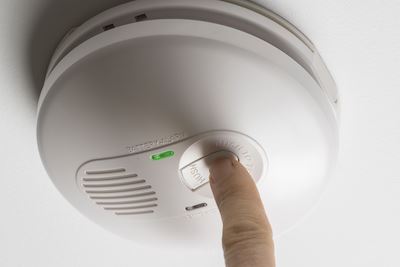 Health & SafetyWhy Is Your Carbon Monoxide Alarm Beeping or Chirping?Four loud beeps and a pause, repeating, usually means the alarm has detected carbon monoxide: get everyone outside and call 911. A single chirp…
 Health & SafetyWhat Should You Do If You Smell Rotten Eggs Near Your Furnace or Water Heater?A rotten egg or sulfur smell near a furnace or water heater can mean a gas leak. Get everyone out right away, and don't…
 Health & SafetyAre Space Heaters Safe to Use Alongside Central Heat?Yes, if you follow the CPSC's basics: keep an electric space heater at least 3 feet from anything that can burn, plug it straight…