Skip to content

AC Maintenance in Austin, TX

Spring AC tune-ups that clean and test the parts Central Texas heat wears out first: coils, drain lines, capacitors and refrigerant. Licensed, family-run and open Monday to Saturday, 7am to 7pm.

4.8 on Google from 400+ reviewsOpen Mon to Sat, 7am to 7pm✓ BBB A+ Rated✓ Nextdoor Neighborhood Favorite✓ Licensed & Insured

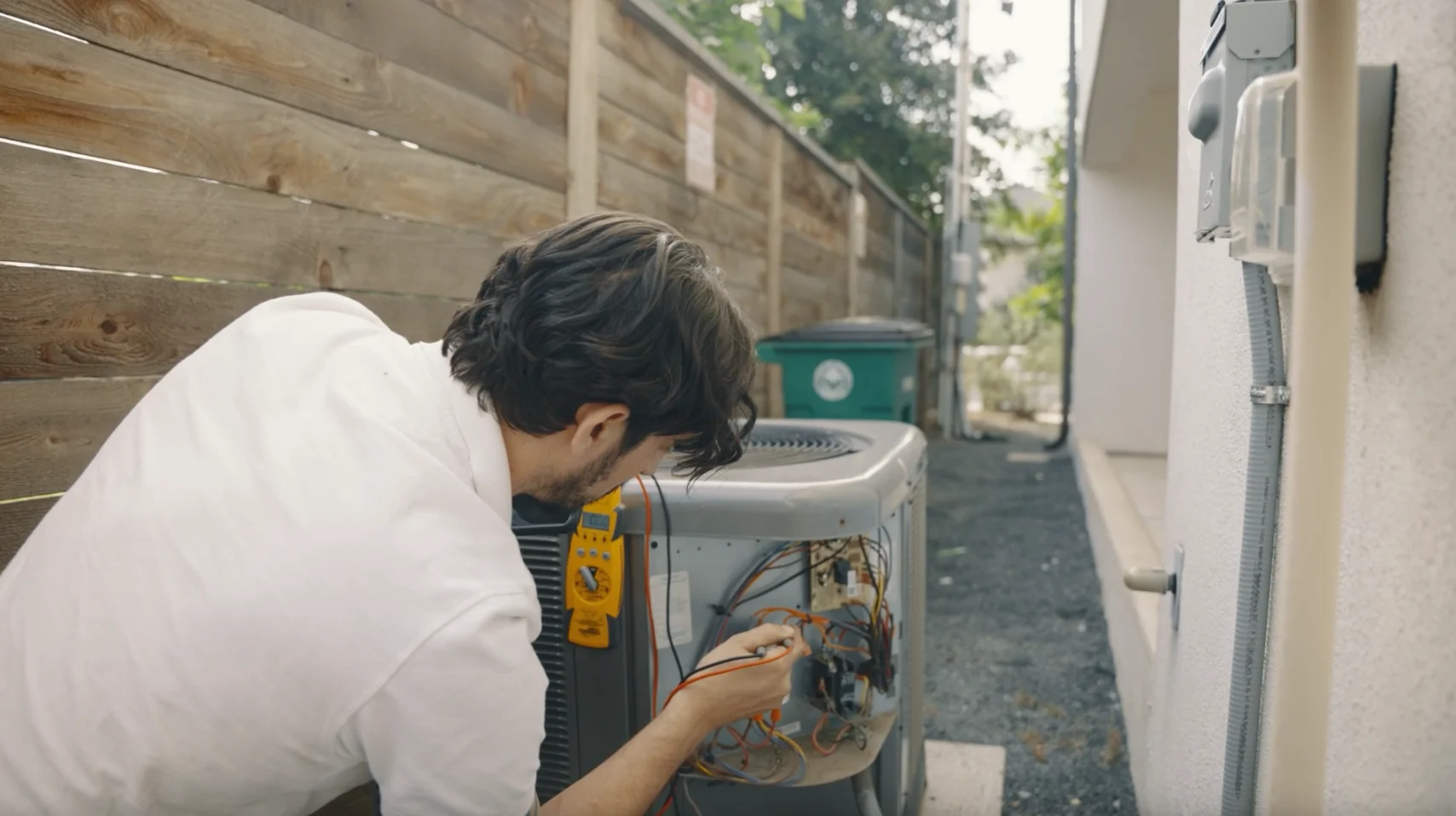
A technician in a white shirt tests the exposed wiring and controls of an outdoor HVAC unit beside a wooden fence in Austin.

Get Your AC Ready Before a Texas Summer

An Austin air conditioner does not get an easy season. It runs hard from late spring into October, often from an attic that tops 130°F, while pulling gallons of water out of the air every day. A dirty coil, a slow drain line or a tired capacitor will not stop it in April. They stop it on the first 100°F afternoon, when HVAC schedules across town are packed.

An AC tune-up from Gold Eagle Services is a cleaning and testing visit, not a quick look. We clean what collects dirt, test what wears out, measure how well the system is cooling and tell you plainly what we found. We are a family-run Austin HVAC company serving Central Texas since 2017.

  • Licensed HVAC contractor (TACLA119235)
  • Rated 4.8 stars on Google by Austin-area homeowners
  • Spring AC tune-ups and fall heating tune-ups
  • Home Maintenance Plans that put both visits on the calendar
  • Hours: Monday to Saturday, 7am to 7pm

Call 512-489-4653, text us, or book online.
Call 512-489-4653
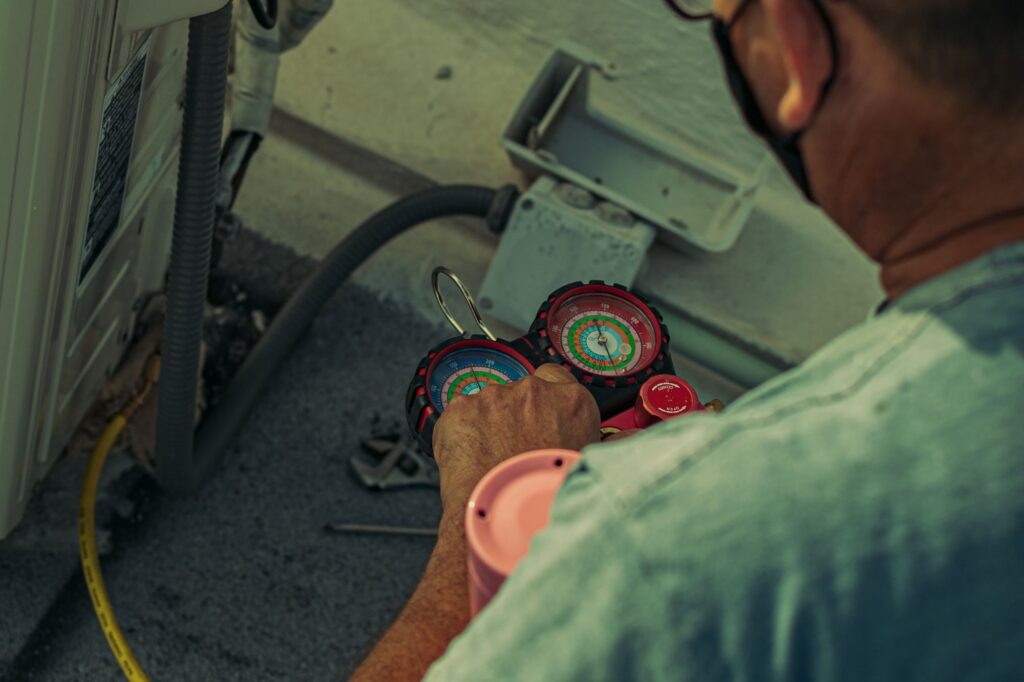
HVAC technician reading a refrigerant manifold gauge while servicing an outdoor AC unit

What's Included in an AC Tune-Up?

A spring AC tune-up covers the whole cooling system, inside and out:

  • Air filter checked, with the right size and type confirmed
  • Outdoor condenser coil inspected and cleaned
  • Indoor evaporator coil inspected
  • Condensate drain line cleared and flushed, drain pan checked
  • Float switch tested
  • Capacitors tested against their rating
  • Contactor, wiring and electrical connections checked and tightened
  • Refrigerant pressures and temperatures checked
  • Blower and outdoor fan motors checked
  • Airflow and temperature split measured
  • Thermostat operation and settings checked
  • Visible ductwork, plenums and refrigerant line insulation inspected

If something needs attention, you get the findings and your options before any repair work starts. For a closer look at each item, read What’s Included in an HVAC Tune-Up?

Schedule Online

Why Spring Timing Matters in Central Texas

Schedule your AC tune-up in March or April, before the first long stretch of 90°F days. By May, Austin can already be hot enough to run the AC all afternoon, and by June the calls for broken air conditioners pile up. A spring visit catches the weak capacitor or the slow drain while it is still mild, when you have time to plan a repair instead of sweating one out.

Spring also comes right after cedar season and arrives with oak pollen, both of which load up filters and outdoor coils. A tune-up clears that out before the system starts working its hardest.

Heat pumps work in both seasons, so they do best with a spring visit for cooling and a fall visit for heating. See our heating tune-up page for the fall half.

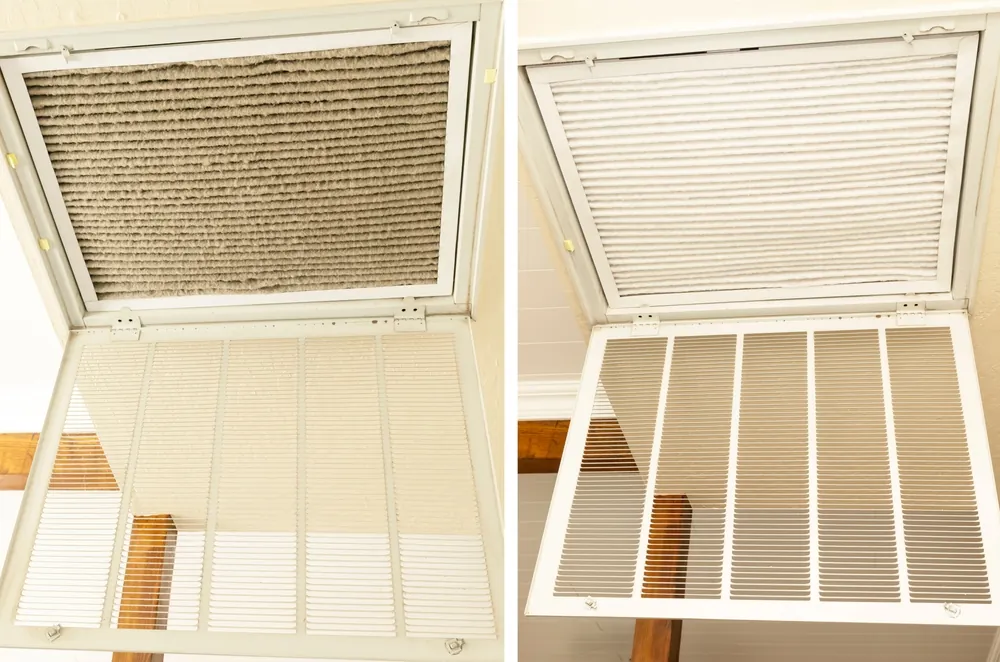
before and after pictures of a dirty HVAC filter and a clean filter in a vent

Filters: The Five-Minute Job That Protects Everything Else

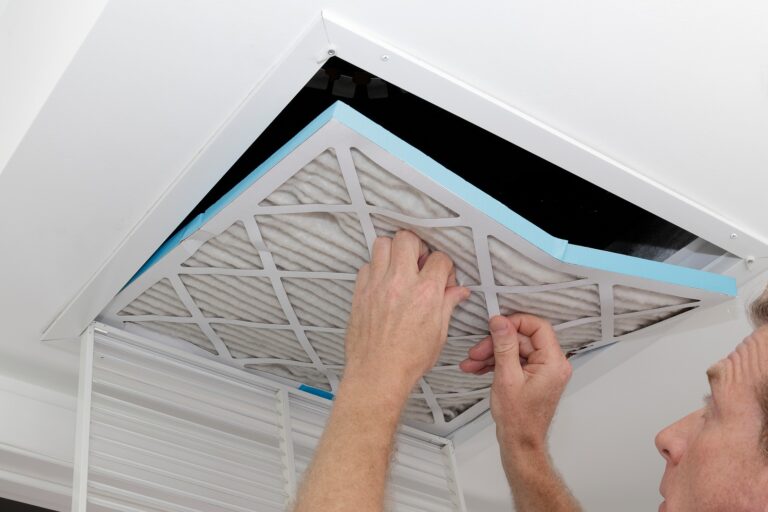
Check a standard 1-inch filter monthly in summer and change it every 1 to 3 months, sooner with pets, heavy pollen or construction dust. Thicker 4- or 5-inch media filters usually last longer; follow the label.

A clogged filter starves the system of airflow. The indoor coil gets too cold and can freeze, the blower works harder and the house takes longer to cool. It is one of the most common reasons we find a frozen AC in summer.

If your air handler is in the attic, the filter may be in a return grille in a ceiling or hallway, or at the unit itself. We’ll show you where yours is. A higher-MERV filter catches finer particles but can also restrict airflow on a system with a small return, so ask before you switch to a denser filter.

More in How Often Should You Change Your AC Filter in Central Texas?

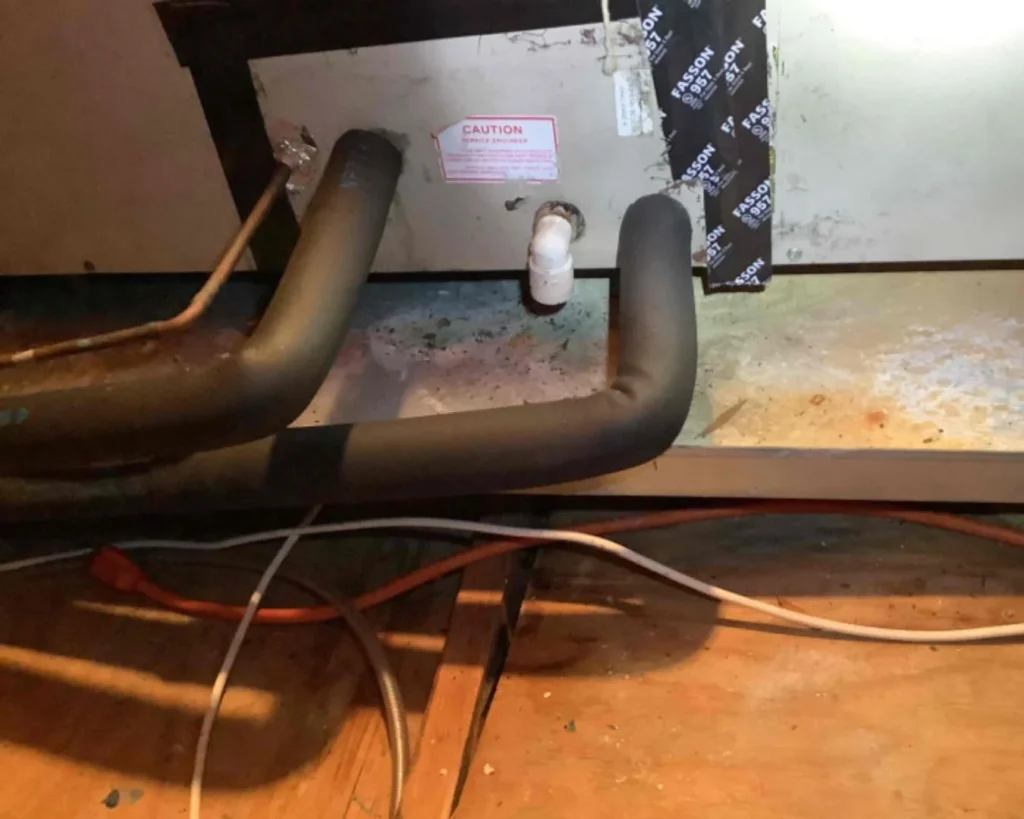
Large insulated HVAC pipes and smaller utility lines run through a tight attic space, with a caution label visible on the panel above.

Condensate Drains and Attic Air Handlers

Your AC’s drain line carries away the water it pulls out of the air, and on a humid Austin summer day that can be gallons, so we clear and flush it at every tune-up.

Most Central Texas air handlers sit in the attic, with a primary drain line, a secondary drain pan under the unit and a float switch that shuts the system off if water backs up. Algae and sludge grow in the line during warm, wet months. When it clogs, you get either an AC that shuts itself off or a water stain on the ceiling, and neither shows up at a convenient time. At a tune-up we flush the line, check the pan for rust or standing water and test the float switch.

The attic itself is part of the job. On a summer afternoon it can reach 130°F or more, which is hard on the air handler, the ductboard plenums, the flex duct runs and the insulation on the refrigerant lines. While we are up there, we look for loose or crushed flex, failing tape at the plenums and sweating lines.

Read How Do You Clear a Clogged AC Condensate Drain Line? and Why Your Vents and Ducts Sweat.

Coils, Capacitors and Refrigerant: What Texas Heat Wears Out

Coils. The outdoor condenser coil’s job is to dump your home’s heat outside. Cottonwood fluff, grass clippings, dust and pet hair mat on the fins and make it work harder, which raises pressures and electric use. The indoor evaporator coil collects whatever gets past the filter and stays wet all summer. We clean the outdoor coil and inspect the indoor coil, and if the indoor coil needs a deeper cleaning, we’ll tell you.

Capacitors. Capacitors give the compressor and fan motors the push they need to start. Heat breaks them down, and a weak one is one of the most common reasons an AC quits in July. We test each capacitor against its rating so a weak one can be replaced before it fails instead of after.

Refrigerant. An air conditioner does not use up refrigerant, so low refrigerant means a leak. We check pressures and temperatures, and if the charge is off, we talk with you about finding the leak instead of just topping the system off.

Outdoor unit. Keep about 2 feet of open space around the sides and nothing on top. It isn’t a planter.

Our Home Maintenance Plans

A Gold Eagle Home Maintenance Plan puts a spring AC tune-up and a fall heating tune-up on the calendar every year, with member benefits on top. There are three levels:

  • Wing Watch: essential system care, including a spring high-efficiency AC tune-up, a fall heating safety and performance tune-up, spring chemical condenser coil cleaning, a nitrogen drain line flush, priority scheduling, service reminders and a discount on repairs (10% off all repairs).
  • Fresh Nest: everything in Wing Watch plus deeper care for systems about 7 to 12 years old, including full condenser coil cleaning, blower wheel cleaning and resealing of the return and supply plenums.
  • Regal Eagle: everything in both, plus indoor air extras such as electrostatic fogging of the system and ductwork and an evaporator pan treatment.

Regular professional maintenance is a common condition of manufacturer warranties, and a plan leaves you with a complete service history. See plan details and sign up on the Home Maintenance Plan page, or read HVAC Maintenance Plans Explained for what any good plan should include.

What If the Tune-Up Finds a Problem?

We explain what we found and give you options before any repair work starts. Small fixes can often be handled during the visit, and others we schedule with you. See our AC repair page for the repairs we make most often.

If a bigger repair comes up on an older system, we’ll lay out the repair-or-replace trade-off honestly. You can compare new systems and see pricing at your own pace with Build Your System. There is no pressure either way.

What You Can Do Between Visits

  • Check the filter monthly in summer and change it when it looks dirty.
  • Hose off the outdoor coil gently with the power off, and skip the pressure washer. See how to hose off an outdoor AC unit.
  • Trim shrubs back from the outdoor unit and keep the top clear.
  • Look at the secondary drain pan under an attic air handler when you are up there. Standing water means the main drain is not keeping up.
  • Call if you notice ice on the refrigerant lines, warm air, short cycling or a new noise.

AC Maintenance Across the Austin Area

We maintain air conditioners and heat pumps throughout Austin and nearby communities, including:

Not sure if you’re in our area? See all service areas or call 512-489-4653.

Learn More Before Your Visit

Plain-English guides from our Homeowner Guides library:

AC Maintenance FAQ

Once a year, in spring, for a central air conditioner. Heat pumps heat and cool, so they do best with a spring visit and a fall visit. Our Home Maintenance Plan schedules both.

Get your AC ready before the heat hits.

Schedule Online

Need an AC Tune-Up? Let's Talk.

Tell us about your system and when it was last serviced, and our team will get back to you as soon as possible. Monday to Saturday, 7am to 7pm.

Contact Us
This field is for validation purposes and should be left unchanged.
Name(Required)
Same-day service
BookTextCall 512-489-4653Call