
 HVAC Systems
 Heating
 Ductwork & Air Flow
 Ventilation
 Filtration
 Dehumidification
 Maintenance
 Mold
Mold Remediation & Restoration
 Pure Maintenance
 Your Home
 Building Science
 Insulation & Envelope
 Health & Safety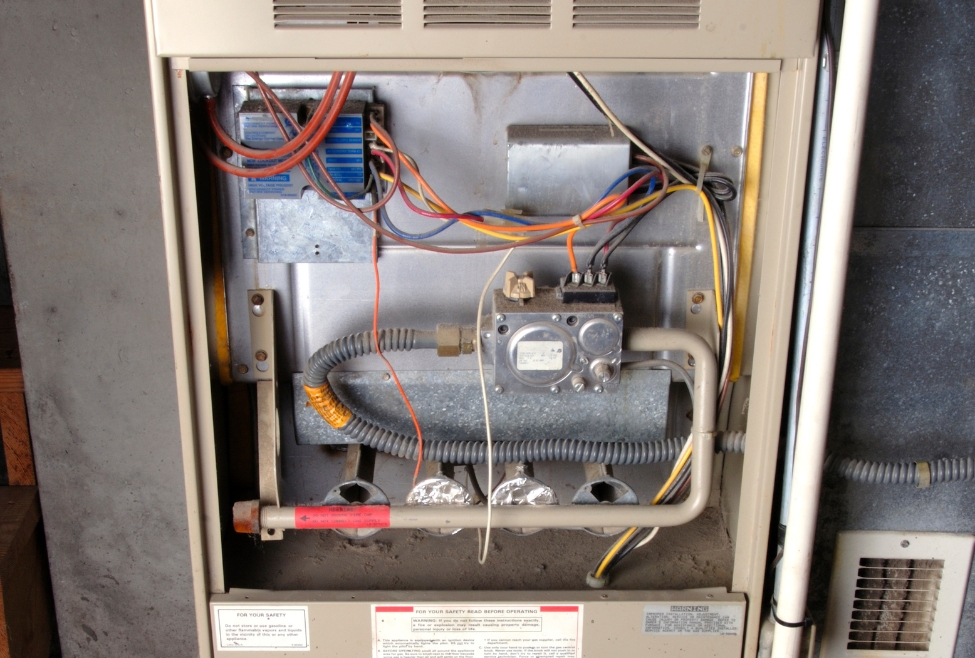
Quick answer: Most Austin winter days need only a little heat, so an oversized gas furnace short cycles: it blasts hot air, shuts off, lets the house cool, and repeats, which means uneven comfort and extra wear. A right-sized dual fuel system lets a heat pump handle the mild days and a gas furnace take over only in hard freezes.
In this guide
- How much heat does an Austin home actually need in winter?
- What happens when a gas furnace is too big?
- Why does furnace size have to match your ductwork?
- How should a furnace be sized?
- What is a dual fuel system and how does it work?
- Why is dual fuel a good fit for Texas cold snaps?
- What should you ask a contractor about a new furnace or dual fuel system?
- Frequently asked questions
- What should you do next?
How much heat does an Austin home actually need in winter?
Less than most people think. Austin sits in IECC Climate Zone 2A (the building code’s hot-humid zone), where the heating season is short and full of mild days. A typical January week might bring a chilly morning in the 30s, a sunny afternoon in the 60s, and a couple of nights where the heat barely runs at all.
Then, every few years, winter shows up in earnest. February 2021 is the one everybody remembers. Those freezes are real and worth planning for, but they make up a small share of the heating season’s hours.
So your heating system spends most of its life doing light work. Equipment sized for an imagined worst case is badly matched to the ordinary days.
What happens when a gas furnace is too big?
It short cycles. An oversized furnace satisfies the thermostat in a few minutes, shuts off, and starts again as soon as the house drifts down a degree or two. On a 50°F day that happens over and over:
- Temperature swings. The room overshoots, then cools, then overshoots again.
- Hot blasts, then cold air. You get a burst of very hot air, then the burner stops and the blower pushes out cooler air as it winds down.
- More wear on ignition parts. Every cycle means another ignition sequence. The hot surface ignitor, flame sensor, gas valve and inducer motor all get more starts than they need.
- Harder life for the heat exchanger. The heat exchanger expands when it heats up and contracts when it cools. More cycles mean more of that stress, and short runs may not let the flue passages fully warm up and dry out.
- Air that feels dry and harsh. Short, intense bursts of very hot air feel drier on your skin than a long, gentle run of warm air, even though the furnace itself isn’t pulling moisture out of the house.
- Lower real-world efficiency. A furnace reaches its rated efficiency during steady running. Lots of short starts and stops mean more time warming up and less time running at its best.
It’s like driving across town in first gear, flooring it and slamming the brakes at every block. You’ll get there, but neither you nor the car will enjoy it.
Why does furnace size have to match your ductwork?
A furnace needs a certain amount of air moving across its heat exchanger to run safely, and your ducts can carry only so much. Every furnace has a temperature rise range printed on its nameplate: the allowed difference between the air coming back into the furnace and the air leaving it.
Put a big furnace on ducts sized for a smaller one and the blower can’t push enough air through them. The heat exchanger runs hotter than it was designed to, the temperature rise climbs past the nameplate limit, and the high-limit safety switch may start tripping the burner off.
Most Austin duct systems, ductboard plenums with flex runs to each room, were sized mainly for cooling, so check any new furnace against them. Our guide to why properly sized ductwork matters goes deeper on this.
How should a furnace be sized?
With a Manual J load calculation, not by copying whatever is in the closet now. Manual J looks at your actual house: square footage, window area and orientation, insulation levels, air leakage, duct location and the local design temperature. It tells you how much heat the house loses on a design cold day. (More in Manual J, D & S Explained.)
Matching the old unit is how oversizing gets passed down for decades. The original may have been oversized from day one, and upgrades like attic insulation, new windows or air sealing may have shrunk the load since. Oversized furnaces are common, especially in builder-grade systems where the same equipment often went into every house on the street.
What is a dual fuel system and how does it work?
A dual fuel system pairs an electric heat pump with a gas furnace and lets each do the job it does best. The heat pump sits outside, cooling in summer and heating in winter. The furnace sits in the attic or a closet with the indoor coil attached and handles the properly cold days.
The handoff happens at a changeover point, sometimes called the balance point, set in the thermostat or control board. Above that outdoor temperature, the heat pump heats the house. Below it, the heat pump steps aside and the furnace takes over. The right setting depends on your house, equipment and energy rates, so it should be chosen on purpose, not left at the factory default.
In Austin, that means the heat pump carries most of the heating hours. The furnace only fires for the coldest stretches, like a February 2021-type freeze. You can compare the options side by side in Heat Pump vs. Gas Furnace vs. Dual Fuel in Central Texas, and see how we set these systems up on our dual fuel heat pump page.
Why is dual fuel a good fit for Texas cold snaps?
It uses two tools for two jobs instead of one compromise:
- Efficient, quiet heat most of the winter. A heat pump moves heat rather than making it, and on mild days it does that very efficiently. It also runs longer, gentler cycles with warm rather than scorching air.
- Gas backup when the heat pump runs short. A heat pump’s heating capacity drops as the outdoor temperature falls, right when the house needs more heat. The furnace fills that gap.
- No electric resistance heat strips needed. An all-electric heat pump typically relies on heat strips as backup. In a dual fuel system the furnace is the backup, so you skip the strips and the big electrical draw they bring on the coldest mornings.
- Comfort during defrost. Heat pumps periodically defrost their outdoor coil in cold, damp weather. In a dual fuel setup the furnace can cover those minutes so you don’t feel cool air at the vents.
And because the furnace only handles the cold end, it can be sized for the real design load without trying to be everything to everyone. If you want to understand how a heat pump behaves in real cold, read Can a Heat Pump Keep Up With a Texas Freeze? or browse our heat pump services.
What should you ask a contractor about a new furnace or dual fuel system?
Ask questions that show whether the system was designed for your house or just picked off a truck:
- Will you do a Manual J load calculation? And will you share the heating and cooling numbers with me?
- Will you check my ducts? Can they carry the airflow this furnace needs to stay inside its nameplate temperature rise?
- Is the furnace two-stage or modulating? A furnace that can run at a lower fire most of the time softens the short cycling problem even when the load is small.
- Is the indoor coil matched to the heat pump? The coil on the furnace should be a matched pairing with the outdoor unit, not whatever fits.
- Where will the changeover point be set, and why? You want a real answer based on your house and equipment, and to know how to adjust it later.
If you’re only replacing a furnace for now, the same sizing and duct questions apply. Our furnace replacement page covers how Gold Eagle approaches it for Austin-area homes. For pricing on different setups, try Build Your System.
Frequently asked questions
Isn’t a bigger furnace safer for another freeze like 2021?
Not really. A correctly sized furnace is sized for your area’s design cold, and extra capacity mostly shows up as short cycling on normal days. Better insulation, air sealing and a well-designed system do more for cold-snap comfort than an oversized burner.
How can I tell if my furnace is short cycling?
Watch it on a mild day. If the burner lights, runs only a few minutes, shuts off and restarts soon after, and the house swings between warm and cool, that’s a strong hint. A technician can confirm whether it’s oversizing or something like a dirty flame sensor.
Can I add a heat pump to my existing gas furnace?
Sometimes. It depends on the furnace’s age and condition, whether its blower can handle the heat pump’s airflow, and whether a matched indoor coil fits. A technician needs to look at your specific equipment before recommending it.
What should you do next?
- Watch your furnace on a mild day and note whether it runs only a few minutes at a time.
- Ask any contractor for a Manual J load calculation and a duct check before choosing a size.
- Ask where the changeover point will be set on a dual fuel system, and why.
- Book a Gold Eagle visit or call 512-489-4653 to have your furnace, ducts and options looked at.
Related guides: Heat Pump vs. Gas Furnace vs. Dual Fuel in Central Texas · Smart HVAC Design: Manual J, D & S Explained · Aux Heat vs. Emergency Heat: What Your Heat Pump Thermostat Is Telling You · Can a Heat Pump Keep Up With a Texas Freeze?
About Gold Eagle Services: This guide comes from the team at Gold Eagle Services, a family-run Austin HVAC, indoor air quality and mold remediation company founded in 2017. We’re licensed (TACLA119235 and RCO1783), insured and bonded, and we serve homes across the greater Austin area.
Need help with this in your home? Learn about our dual fuel heat pump systems, or call 512-489-4653 to schedule a visit.
Related Gold Eagle service: Heating service
More in Heating
All 31 guides HeatingWhy Is Water Dripping From Your Heat Pump in Winter?Water running out of an outdoor heat pump in winter is usually melted frost from a defrost cycle, and it's normal. What matters is…
 HeatingWhat Is a Heat Pump’s Balance Point, and Why Does It Matter in Central Texas?A heat pump's balance point is the outdoor temperature where its heat output just matches the heat your house loses. Above it, the heat…
 HeatingWhy Does My Heat Pump Run Nonstop When It’s Below Freezing?A heat pump runs nonstop in freezing weather because the colder it gets, the less heat it can pull from outdoor air, while your…