
 HVAC Systems
 Heating
 Ductwork & Air Flow
 Ventilation
 Filtration
 Dehumidification
 Maintenance
 Mold
Mold Remediation & Restoration
 Pure Maintenance
 Your Home
 Building Science
 Insulation & Envelope
 Health & Safety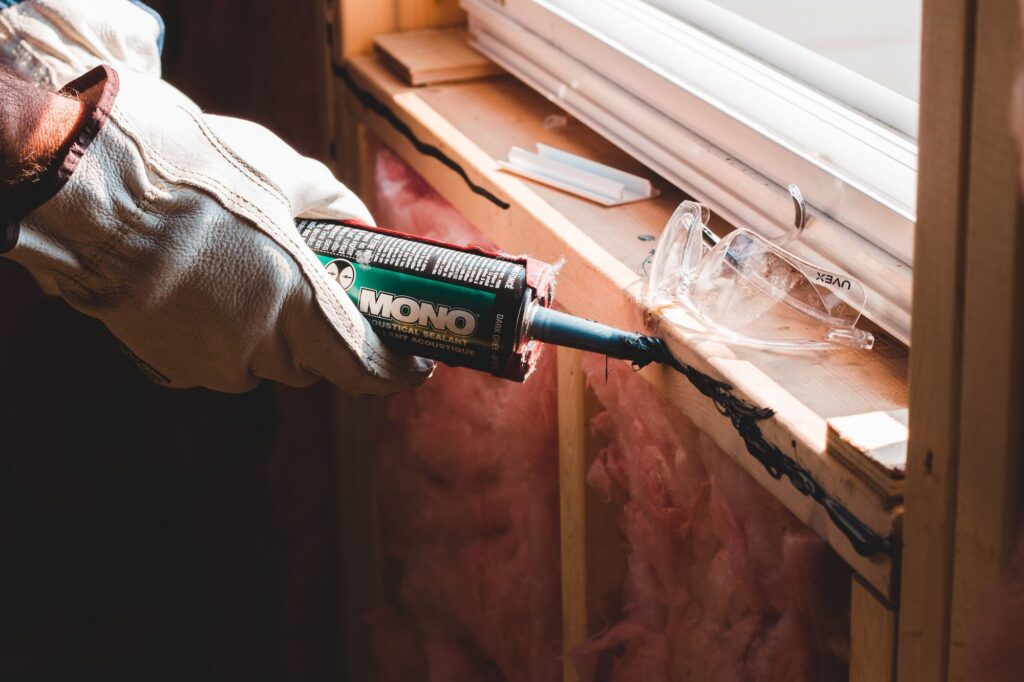
Quick answer: In most Central Texas homes, the biggest air leaks aren’t the windows and doors. They’re hidden in the attic and the ductwork. Sealing the openings between your living space and the attic is usually the highest-impact fix, followed by sealing leaky ducts. New windows help less than most people expect.
In this guide
- Why aren’t windows and doors the biggest air leaks?
- What is the stack effect, and why does it put the attic first?
- Where does air actually leak in a typical home?
- Why does air leakage matter so much for humidity in Central Texas?
- What does attic air sealing involve?
- How much does duct leakage matter?
- When are new windows actually worth it?
- Where should you start?
- What should you do next?
Why aren’t windows and doors the biggest air leaks?
Because the leaks you can see and feel are rarely the ones moving the most air. Ask anyone where their house is drafty and they’ll point at a window or the gap under the back door. Fair enough: you can feel cold air near the glass in January, you can see daylight under the door, and window replacement is one of the most heavily advertised home improvements around.
Air moves through a typical Central Texas house very differently. The biggest leaks hide above your ceiling, in places you never look. Knowing the real ranking lets you spend improvement money where it changes comfort, energy use and humidity, instead of where the sales pitch is loudest.
What is the stack effect, and why does it put the attic first?
The stack effect is air moving through a house because warm air is lighter than cool air, and it pushes the most air through leaks at the very top and bottom of the home. In winter, warm indoor air rises and escapes into the attic while cold outdoor air gets pulled in down low.
In summer the flow tends to reverse: cool, heavy indoor air slips out near the floor, and air from outside and from the attic gets drawn in up high. Together with wind and duct pressure, the stack effect drives most household air leakage.
The taller the home and the bigger the gap between indoor and outdoor temperature, the stronger it gets, so a two-story house feels it more than a one-story ranch. Either way, the attic is where most of the action happens, because the openings at the top of the house sit there, where the pressure difference is strongest.
So attic leaks aren’t just leaks. They sit exactly where the house’s natural air movement pushes hardest, and on the other side of them is an attic that can top 130°F in August.
Where does air actually leak in a typical home?
Energy auditors who run blower door tests (a big fan in a doorway that pulls air out of the house so the leaks show up) keep finding the same pecking order, roughly from biggest impact to smallest:
- Attic bypasses and penetrations. This is almost always the biggest category of leakage. It includes the top plates of interior walls, plumbing penetrations into the attic, can light housings, bathroom exhaust fan boots, attic hatches, chases around chimneys and flues, and dropped soffits over kitchen cabinets. One uncapped chase or unsealed top plate can leak more air than every window in the house combined.
- Duct leakage in unconditioned attics. Most Central Texas ducts are ductboard plenums with flex runs in a hot attic, and there small leaks punch well above their weight. Supply leaks dump air you paid to cool into the attic. Return leaks pull 130°F+ attic air straight into the system and then into your house. ENERGY STAR estimates that in a typical house, about 20-30% of the air moving through the duct system is lost to leaks, holes and poorly connected ducts.
- Wall penetrations and chases. These include plumbing stacks running through walls, electrical chases, dryer vents, recessed cabinet bases and the gap where wall framing meets the bottom plate. Each is smaller than an attic bypass, but they add up across a whole house.
- Windows and doors. They’re the drafts you can feel, but they usually account for a smaller share of total leakage than everything above, especially if they’re newer or the weatherstripping is intact. Most of their leakage comes from the frame and weatherstripping, not the glass or the door slab.
- Outlets and switches on exterior walls. Each is minor, but they add up across a whole home, especially in older houses built before modern air sealing details.
The order matters because the cost-effectiveness of each fix is wildly different. Attic air sealing is usually one of the less expensive fixes, and it goes after the biggest category of leaks. Window replacement is one of the most expensive upgrades a home can get, yet it goes after one of the smaller ones, even when done well. The math favors starting at the top.
Why does air leakage matter so much for humidity in Central Texas?
Because every bit of outside air that sneaks in brings its moisture with it, and here that’s a lot of moisture. In our climate, air leakage isn’t only an energy problem. It’s a humidity problem.
Outdoor dew points in Central Texas often sit in the 65-75°F range during humid stretches of the year. That water vapor rides in with the leaking air, and your air conditioner and any dehumidifier then have to pull it back out. The leakier the house, the harder the equipment works just to keep indoor humidity reasonable.
You notice it most on muggy, rainy days. When indoor humidity creeps up during a wet week, uncontrolled leakage is often the biggest contributor. A dehumidifier can only remove water so fast. If humid air keeps pouring in through attic bypasses and leaky ducts, you’re bailing a boat with a hole in the hull.
Cutting air leakage is one of the most direct ways to help a home control humidity. A tighter house holds its dry, cooled air longer, recovers faster after wet weather and needs less HVAC runtime to get there. That’s before you count the energy savings.
What does attic air sealing involve?
Attic air sealing means finding the openings between your living space and the attic and closing them with the right material for each spot, usually caulk, spray foam or rigid covers. For most Central Texas homes, it’s the single highest-impact air leakage fix available.
Common targets:
- Top plates of interior walls: the gap between the wall framing and the drywall, which often runs the full length of every interior wall and opens straight into the attic.
- Plumbing and electrical penetrations through the ceiling into the attic.
- Recessed light housings. Older cans that aren’t rated airtight (look for “ICAT” on the label) are major leakers, and even newer cans benefit from sealing around the housing.
- Bathroom exhaust fan boots, where the fan housing meets the ceiling drywall.
- Attic hatches and pull-down stairs, which are often uninsulated and unsealed. A pull-down stair with no seal is a trapdoor to August.
- Chimney and flue chases, which can run from the lowest floor to the roof and act as big open air channels.
- Dropped soffits over kitchen cabinets and built-ins, which often hide open cavities connected directly to the attic.
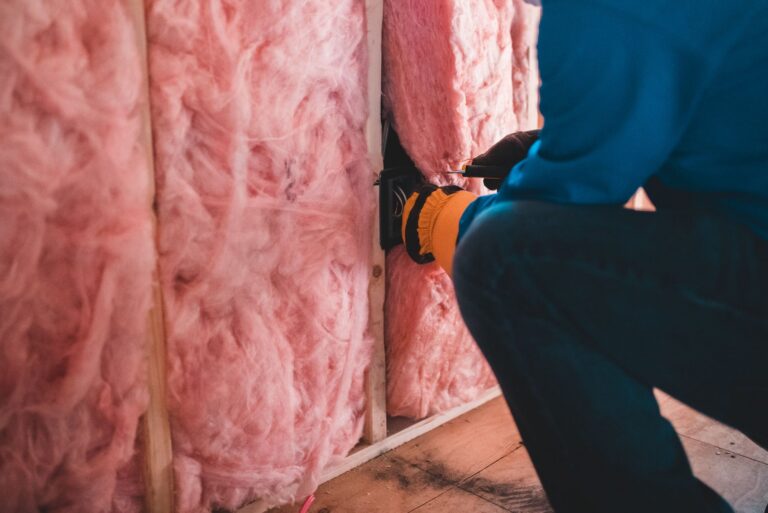
Once the sealing is done, attic insulation can be added or topped up and actually do its job, because insulation only works properly when air isn’t blowing through or around it. Insulating without sealing first is one of the most common mistakes in home improvement, like wearing a wool sweater in a strong wind.
How much does duct leakage matter?
A lot. For homes with ductwork in the attic, which describes most of Central Texas, duct sealing is usually the second highest-impact fix after attic air sealing. Leaky supply ducts dump cooled air into the attic, where it does nothing for you. Leaky return ducts pull superheated attic air into the system, and the AC has to cool it all over again before it reaches your rooms.
Duct leakage is invisible. You can’t see it or feel it, which is why it can go unfixed for decades. A duct leakage test (usually with a Duct Blaster, a calibrated fan that pressurizes the ducts) measures how much they leak and helps pinpoint the worst spots.
Sealing options range from mastic (a thick paste) brushed onto duct joints to aerosol systems that seal leaks from the inside. The job usually costs well under a major equipment upgrade, and it often does more for comfort and energy use than new equipment would on the same leaky ducts.
When are new windows actually worth it?
New windows make the most sense when you’re solving condensation, comfort or a worn-out frame, not as a way to stop air leaks. Single-pane windows in particular cause problems beyond leakage:
- Condensation. On a cold winter morning, single-pane glass can drop below the indoor dew point. Water beads on the glass, runs down into the sashes and frames, and over time can cause rot and localized mold around the window.
- Cold spots. Even well-sealed single-pane windows create chilly surfaces nearby, which make a room feel uncomfortable and tempt people to crank the thermostat.
- Frame and weatherstripping leaks. Older window assemblies often leak noticeably around the frame and where the sash meets it, separate from the glass itself.
Window replacement is a legitimate upgrade when it’s done for the right reasons: ending winter condensation, making the rooms near the windows more comfortable, or replacing frames and weatherstripping that are falling apart. As a pure energy or air sealing project, the payback is typically long, often 15-25 years or more on the energy savings alone.
If you’re choosing between projects, attic air sealing first, duct sealing second, and windows when comfort or condensation justifies them is usually the right order.
Where should you start?
Start above the ceiling, not at the windows. Focusing on the leaks you can see is understandable. But the ones that matter most in a Central Texas home are in the attic and the ducts, where you’ll never spot them without an attic inspection or a blower door test.
Tackling improvements in the order the air actually moves pays off in energy, comfort and humidity control. A well-sealed attic and tight ductwork make everything else work better: the HVAC system runs less, a dehumidifier keeps up more easily, and the house bounces back faster after a muggy stretch.
If you’d rather know where your home leaks than guess from what you can see and feel, the next step is an air leakage assessment that looks at the whole house as a system and ranks the fixes for your specific home. For the ducts, Gold Eagle’s ductwork team can test them for leaks and seal what we find.
What should you do next?
- Check whether your attic hatch or pull-down stair has weatherstripping and insulation.
- Before you price new windows, have the attic and ducts looked at first.
- Ask for a blower door or duct leakage test so you know where the worst leaks are.
- Book an assessment to find the highest-impact fixes for your home.
Related guides: How Attic Insulation Affects Your Home, The Role of Insulation in Energy Efficiency and Choosing the Right Insulation Level for Your Climate (R-Value).
About Gold Eagle Services: This guide comes from the team at Gold Eagle Services, a family-run Austin HVAC, indoor air quality and mold remediation company founded in 2017. We’re licensed (TACLA119235 and RCO1783), insured and bonded, and we serve homes across the greater Austin area.
Need help with this in your home? Learn about our HVAC services, or call 512-489-4653 to schedule a visit.
Related Gold Eagle service: Attic insulation
More in Insulation & Envelope
All 21 guides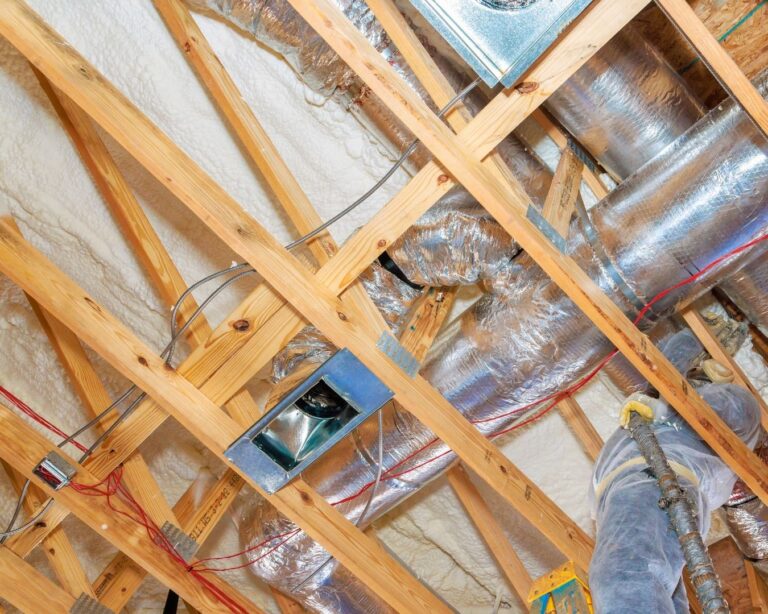 Insulation & EnvelopeLeaky Ducts: How They Pull Attic Air and Dust Into Your HomeThe return side of your duct system runs under suction, so any leak in a return duct, filter grille or air handler cabinet in…
 Insulation & EnvelopeWhat R-Value Attic Insulation Do You Need in Austin?R-value measures how well insulation resists heat flow: the higher the number, the better it insulates. In Austin, the current building code minimum for…
 Insulation & EnvelopeHow Insulation Helps Control Noise in Your HomeInsulation helps control noise by absorbing sound inside walls, floors and ceilings and by filling the gaps sound travels through. Fiberglass and hemp batts…