
 HVAC Systems
 Heating
 Ductwork & Air Flow
 Ventilation
 Filtration
 Dehumidification
 Maintenance
 Mold
Mold Remediation & Restoration
 Pure Maintenance
 Your Home
 Building Science
 Insulation & Envelope
 Health & Safety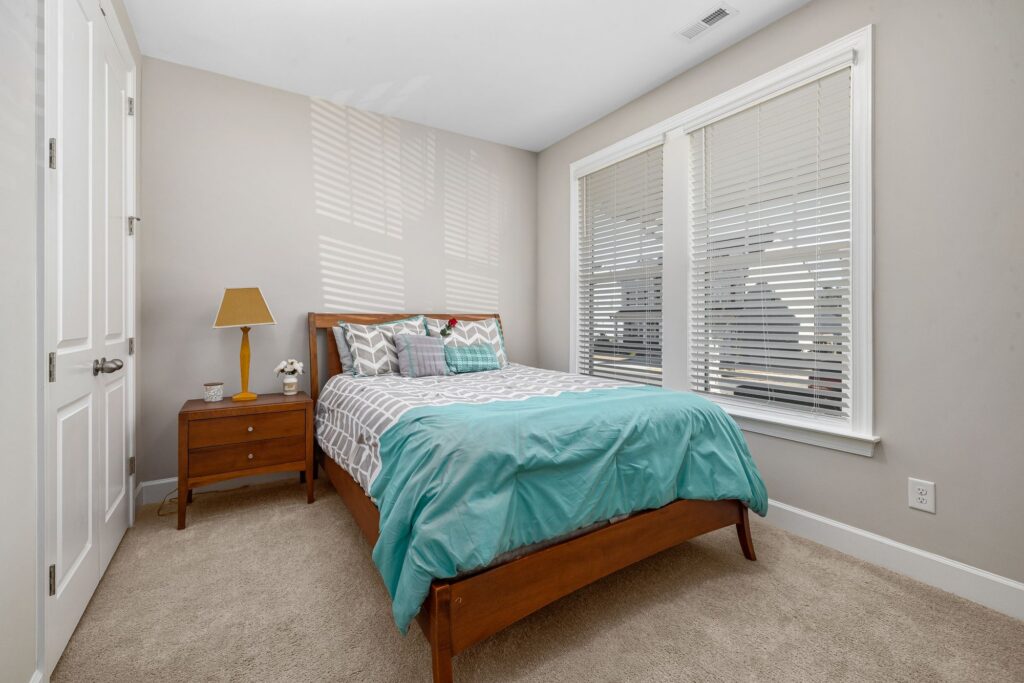
Quick answer: A bedroom gets hot with the door closed when it has a supply register but no return path. Air blown in can’t get back to the central return, so the room pressurizes, airflow drops and the room warms up. The fix is a way back for that air: a transfer grille, a jumper duct or a dedicated return.
In this guide
- Why does my bedroom get hot when I close the door?
- What happens to the rest of the house when bedroom doors are closed?
- How can I tell if a room has a pressure problem?
- Isn’t the gap under the door enough return air?
- How do you fix a hot room with no return?
- Should I close supply registers in other rooms to push more air to the hot one?
- How is return air supposed to be designed?
- Frequently asked questions
- What should you do next?
Why does my bedroom get hot when I close the door?
Your bedroom gets hot because closing the door cuts off the air’s route back to the system. A central AC is a loop: the blower pushes cooled air out through the supply registers and pulls the same amount back through the return. If air can get into a room but can’t easily get out, the loop breaks for that room.
Most Austin homes, especially builder-grade houses from the last few decades, have one central return: a big grille in the hallway ceiling or near the air handler closet. That works fine with every door open.
Close a bedroom door and the room becomes a balloon with a small leak. The supply keeps pushing, pressure in the room climbs, and the room pushes back. Less cool air gets in, what does get in has nowhere to go, and by 10pm the room with the sleeping person in it is the warmest room in the house.
It hits hardest in summer. On an August afternoon the attic above that bedroom runs roughly 130°F or more, and the ceiling soaks that heat down into the room. A room that only gets part of its designed airflow can’t keep up.
What happens to the rest of the house when bedroom doors are closed?
The main body of the house, usually the hallway and living areas around the return, goes into negative pressure. The return still pulls its full share of air, but some of the air it expects is trapped behind closed doors. So it pulls harder on whatever it can reach.
That “whatever it can reach” includes every leak in the house: gaps around recessed lights, attic hatches, plumbing and wiring penetrations, wall cavities and the gaps around doors and windows. Depressurize the hallway and you can draw air in from the attic, from inside wall cavities and from outdoors. In Austin, summer outdoor air often carries dew points in the 70s°F, so that leakage, called infiltration, brings in real humidity your AC then has to remove. Attic and wall-cavity air can also bring dust and insulation debris along with it.
How can I tell if a room has a pressure problem?
The easiest tells are a door that moves on its own and a room that’s noticeably warmer with the door shut than open. You don’t need tools to spot the pattern. Five signs:
- The door pulls or pushes. With the AC running, the door swings shut or pops open by itself, or you feel resistance closing it.
- A whistle or rushing sound at the gap under the door when the blower is on.
- The room is warm and stuffy with the door closed but fine with it open, often by a few degrees.
- Airflow at the supply register weakens once the door has been closed a few minutes.
- A tissue gets pushed out. With the system running and the door closed, hold a single tissue near the gap under the door. If it gets pushed hard toward the hallway, the room is pressurized and air is fighting to get out.
Those tests tell you something is off. To confirm it and size the fix, a technician measures room pressure with a digital manometer, a precise pressure gauge: one tube in the closed room, one in the hallway, with the blower running. That number shows how badly the room is pressurized and whether a fix actually brought it back down.
Isn’t the gap under the door enough return air?
Usually not. Door undercuts help, but a typical gap of around an inch moves only a modest amount of air, often well short of what a bedroom supply delivers on a hot day. Carpet cuts the gap down further.
Trim it enough to pass a big room’s airflow and you’ve built a door that barely blocks light or sound. A small guest room with one register may get by. A primary suite with two or three supplies rarely does.
How do you fix a hot room with no return?
You give the air a path back to the return. Three common fixes do it, and the right one depends on the room, the wall and the attic above it. All three are jobs for an HVAC pro.
Transfer grilles
A transfer grille is an opening through the wall between the bedroom and the hallway, with grilles on both sides. It’s simple and it works. The downsides are sound and light: you can hear through it, and a hallway light shines into the room. Offset designs, with the grilles at different heights and a lined path through the wall cavity, cut down on both.
Jumper ducts
A jumper duct is a short run of flex duct through the attic, connecting a ceiling grille in the bedroom to a ceiling grille in the hallway. It’s quieter and more private than a straight transfer grille because the sound has to travel through a duct. It needs to be sized to the room’s airflow, well sealed at both ends, and insulated, since it’s sitting in that same 130°F attic.
Dedicated returns
The most complete fix is a return grille in the room itself, ducted back to the return side of the system, usually the ductboard return plenum at the air handler. This is what many good duct designs do from the start, especially for primary bedrooms. It takes more work, and it has to be tied in without starving or overloading the rest of the return system. That’s why it belongs in a look at the whole duct layout, not a one-off add. If your ducts are aging or undersized anyway, it can make sense to fold new returns into a duct replacement rather than patching around old ductwork.
Should I close supply registers in other rooms to push more air to the hot one?
No. Closing registers doesn’t send more air to the room you care about in any useful way, and it adds resistance to the whole system. The blower keeps trying to move the same air through fewer openings, so pressure in the ducts goes up. That means more leakage at duct seams in the attic, a colder indoor coil that’s more likely to freeze, and a system working harder for less.
The same goes for closing the hot room’s own register “so it stops fighting the door.” You’ve just traded a stuffy warm room for a stuffier, warmer one.
Rule out other causes, too. A hot room can have more than one problem: a crushed or disconnected supply duct, thin attic insulation over that room, or a west-facing wall of windows. A return path fixes pressure, not all of those at once.
How is return air supposed to be designed?
Room by room, with the same care as the supply side. Proper duct design (ACCA Manual D, the industry standard for sizing ducts) works out how much air each room needs and how that air gets back to the system. A single central return is a shortcut: it’s cheaper to build, and it works on paper as long as nobody ever closes a door. Real families close doors.
The “hot bedroom” complaint and a humid, dusty main living area are often the same problem wearing two outfits. Fixing return paths can cool the room, calm down infiltration in the rest of the house and let the system run the way it was designed to. If you want someone to measure it, Gold Eagle’s ductwork and airflow team can check room pressures and lay out the options.
Frequently asked questions
Will a transfer grille let noise into my bedroom?
A straight-through grille will let some sound and light through. Offset transfer grilles or a jumper duct through the attic reduce that a lot, which is why they’re popular for bedrooms.
Can I just set the fan to ON to fix it?
No. Running the fan continuously keeps the room pressurized and the hallway depressurized for more hours, not fewer. In Austin summers, a fan set to ON also blows moisture from the coil back into the house between cooling cycles.
Does this affect humidity in my house?
It can. A depressurized main body pulls in outdoor and attic air through leaks, and in a hot-humid climate that air carries moisture. If your indoor humidity keeps drifting above the 40-60% range in summer, return air and air leaks are worth checking along with the AC itself.
Is a zoned system or a mini-split a better fix?
Sometimes, for rooms that are hot for reasons beyond pressure, like a bonus room over the garage. But zoning without proper return paths has the same problem, so start by measuring the pressure and airflow before adding equipment.
What should you do next?
- Close the bedroom door with the AC running and watch for a door that moves or a whistle at the gap.
- Try the tissue test at the gap under the door.
- Keep other rooms’ supply registers open, and leave the fan on AUTO.
- Book a Gold Eagle visit or call 512-489-4653 to have room pressures measured and the return options laid out.
Related guides: How Your Home’s Duct System Works: A Central Texas Guide, Why Properly Sized Ductwork Matters for Your HVAC System, Smart HVAC Design: Manual J, D & S Explained, Where Your Home Leaks Air: Central Texas Air Sealing Priorities
More quick answers: Why Is One Room Hotter Than the Rest of the House? and Does Closing Vents in Unused Rooms Save Money?.
About Gold Eagle Services: This guide comes from the team at Gold Eagle Services, a family-run Austin HVAC, indoor air quality and mold remediation company founded in 2017. We’re licensed (TACLA119235 and RCO1783), insured and bonded, and we serve homes across the greater Austin area.
Need help with this in your home? Learn about our ductwork and airflow services, or call 512-489-4653 to schedule a visit.
Related Gold Eagle service: AC repair in Austin
More in Ductwork & Air Flow
All 19 guides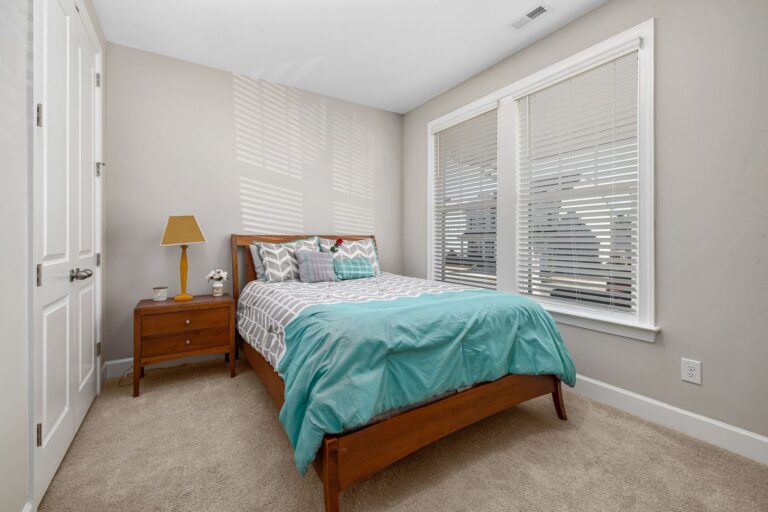 Ductwork & Air FlowWhy Is One Room Hotter Than the Rest of the House?One room runs hotter when it gains more heat than its air supply can carry away. Usual causes: afternoon sun on west or south…
 Ductwork & Air FlowDoes Closing Vents in Unused Rooms Save Money?Usually not. With central air, closing vents in unused rooms doesn't make the blower move less air. It raises duct pressure and pushes more…
 Ductwork & Air FlowHow Do You Increase Airflow to One Room?Start with free checks: the register fully open and unblocked, a clean filter, and a path for air back to the return (compare the…