Resource Center HVAC SystemsYour Estimate
 HeatingAir Conditioning
 Ductwork & Air Flow
 Ventilation
 Filtration
 Dehumidification
 MaintenanceAir Quality & MoistureIndoor Air Quality (IAQ)Humidity & Moisture Control
 Mold
 Remediation & Restoration
 Your Home
 Building Science
 Insulation & Envelope
 Health & SafetyTips & Tricks
 Case StudyMake HVAC Sexy AgainView all categoriesAll Guides
Categories ▾
HVAC SystemsYour EstimateHeatingAir ConditioningDuctwork & Air FlowVentilationFiltrationDehumidificationMaintenanceAir Quality & MoistureIndoor Air Quality (IAQ)Humidity & Moisture ControlMoldRemediation & RestorationYour HomeBuilding ScienceInsulation & EnvelopeHealth & SafetyTips & TricksCase StudyMake HVAC Sexy Again- Home
- Resource Center
- Your Home
- Building Science

Building Science Guides page 2
19 guides · page 2- All
- Your Home
- Building Science
- Insulation & Envelope
- Health & Safety
- Tips & Tricks
- Case Study
- Make HVAC Sexy Again
 Building ScienceWhere Your Home Leaks Air: Central Texas Air Sealing PrioritiesIn most Central Texas homes, the biggest air leaks aren't windows and doors but hidden openings in the attic and ductwork. Sealing between the…
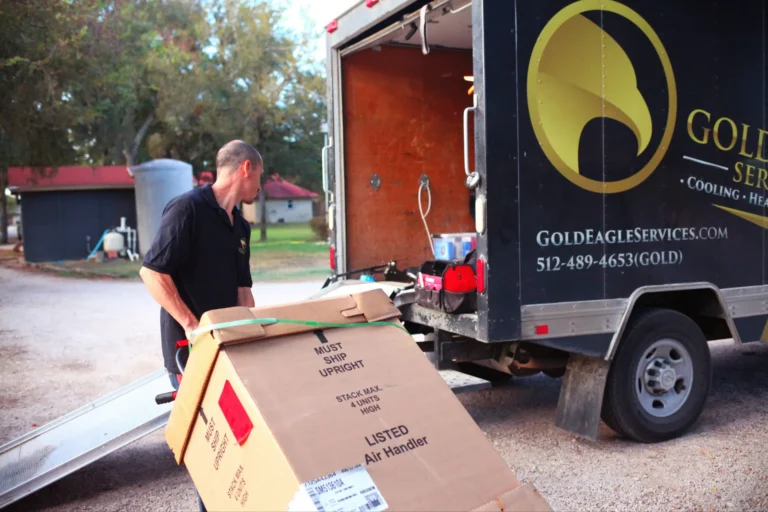 Building ScienceSmart HVAC Design: Manual J, D & S ExplainedManual J, S and D are the ACCA standards for designing home HVAC. Manual J calculates your home's heating and cooling load, Manual S…
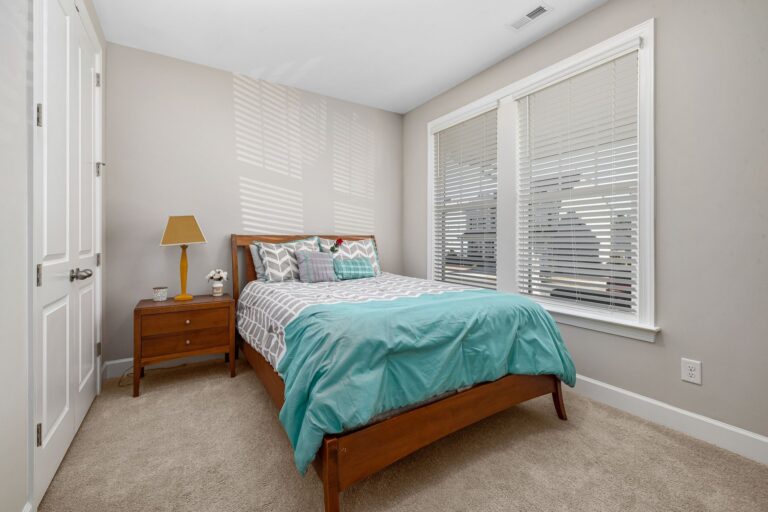 Building ScienceHow Insulation Helps Control Noise in Your HomeInsulation helps control noise by absorbing sound inside walls, floors and ceilings and by filling the gaps sound travels through. Fiberglass and hemp batts…
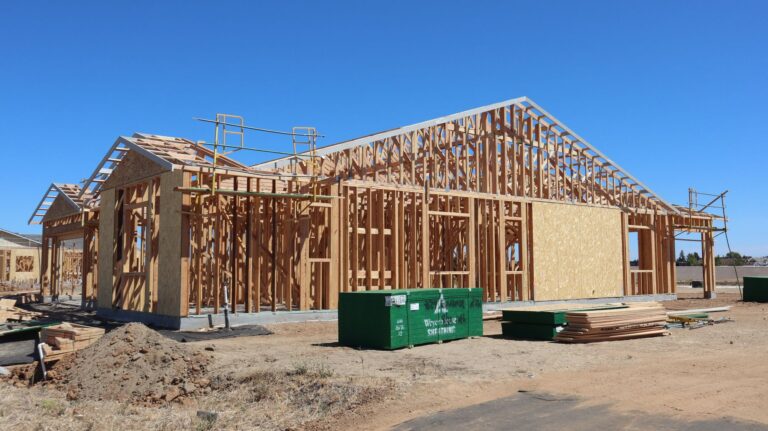 Building ScienceBuilding Science Best Practices for Mold PreventionMold prevention comes down to moisture control. Keep indoor relative humidity below 60% (ideally 45-55%), fix leaks and drainage problems quickly, and build and…
 Building ScienceWhy Zoning an HVAC System Is Complex in Central Texas HomesZoning a single HVAC system is hard because closing dampers to some zones raises static pressure, which can damage ductwork and equipment. A zoned…
 Building ScienceHow Your Home’s Duct System Works: A Central Texas GuideA home duct system is supply and return plenums, the ducts, and the boots, registers and grilles at each room; in most Central Texas…
 Building ScienceWhere to Install UV Lights in an HVAC System (and Why It Matters)For the best results, install HVAC UV lights at the evaporator coil, aimed at the coil and drain pan, rather than in the supply…