
 HVAC Systems
 Heating
 Ductwork & Air Flow
 Ventilation
 Filtration
 Dehumidification
 Maintenance
 Mold
 Remediation & Restoration
 Your Home
 Building Science
 Insulation & Envelope
 Health & Safety
 Case Study
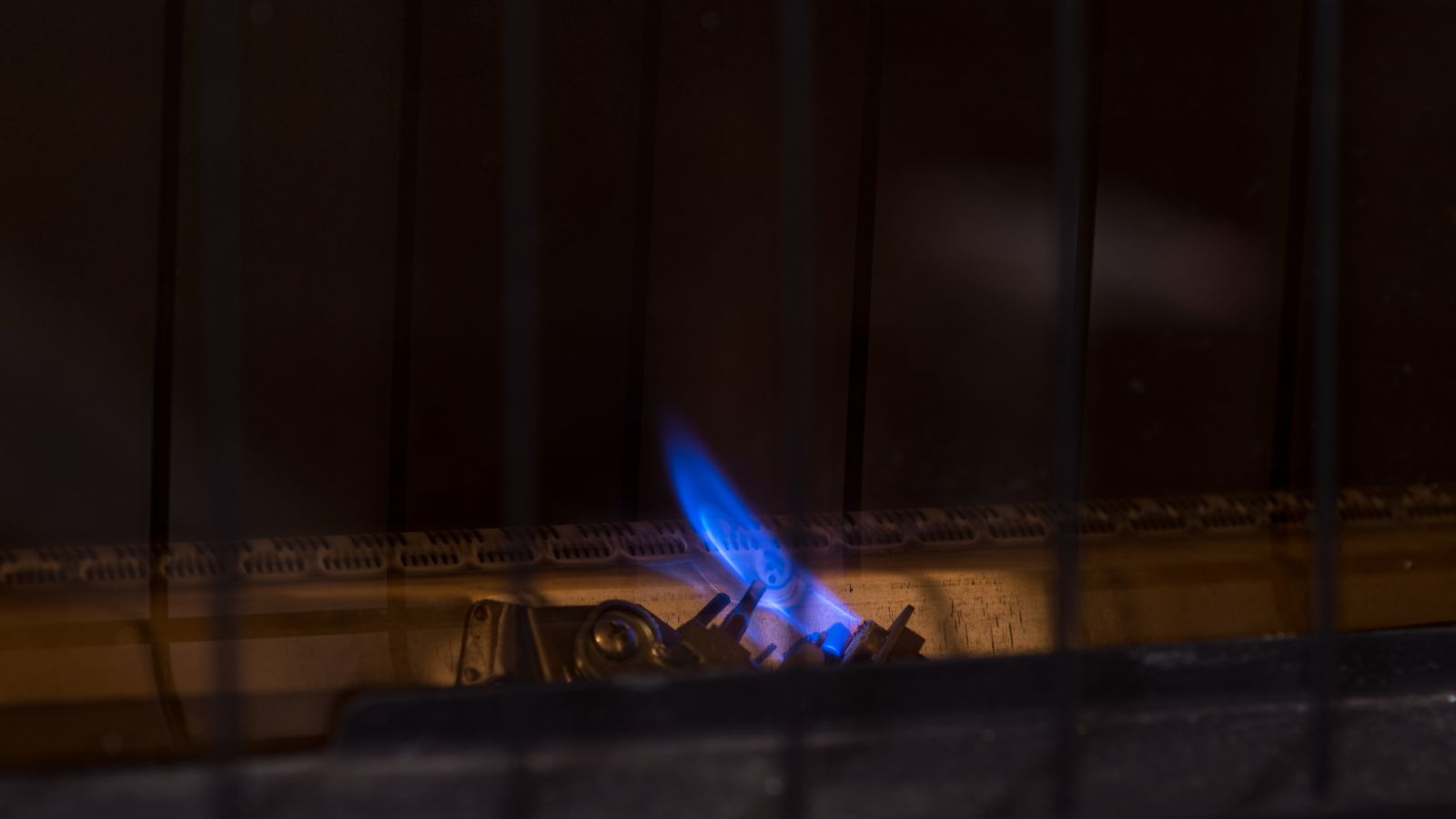
Quick answer: A limit switch is a heat sensor that shuts off a furnace’s burners if the furnace gets too hot. It usually trips because airflow is restricted: a dirty filter, blocked returns, a dirty blower or undersized ducts. The blower keeps running to cool things down, and the furnace may relight and trip again.
In this guide
- What does a furnace limit switch do?
- What does it look like when a limit switch trips?
- Why does a furnace limit switch keep tripping?
- Is a tripping limit switch dangerous?
- What is a furnace rollout switch?
- What can you check yourself before calling for furnace repair?
- How does a technician fix it?
- What should you do next?
What does a furnace limit switch do?
It keeps the furnace from overheating. A gas furnace heats a metal heat exchanger (the chamber the flames heat), and the blower pushes house air across the outside of it to carry the heat away. If that air moves too slowly, the heat exchanger runs hotter than it was designed to. The limit switch sits near the heat exchanger or in the supply plenum and watches the temperature.
When the temperature passes its set point, the switch opens and the control board shuts off the gas. The blower keeps running to cool the heat exchanger down. Once it cools, the switch closes again and the furnace can relight.
What does it look like when a limit switch trips?
The classic pattern:
- The burners light and the house starts to warm.
- A few minutes later the burners shut off, but the blower keeps running.
- The air coming out of the vents cools off.
- After a while the burners relight and the cycle repeats.
- After several trips in a row, many furnaces lock out and stop trying for a while.
Many furnaces also flash an error code on a small light on the control board, visible through a window in the blower door. The code chart is usually printed on the inside of the door. Write down the flash pattern; it helps the technician.
Why does a furnace limit switch keep tripping?
Almost always because not enough air is moving across the heat exchanger. The switch is the messenger, not the problem. Common causes:
- A dirty filter, by far the most common. How often to change your filter covers timing.
- Closed vents or blocked returns, including furniture or rugs over grilles.
- A dirty blower wheel, which moves much less air than a clean one.
- A weak blower motor or capacitor that runs the blower too slow.
- Undersized or crushed ducts, or too little return air for the furnace’s size.
- A dirty AC coil sitting on top of the furnace, which restricts airflow in heat mode too.
- A furnace firing too hard for its setup, from high gas pressure or the wrong settings.
- A worn limit switch that trips below its rated temperature. This happens, but it’s the last thing to blame, not the first.
Is a tripping limit switch dangerous?
The switch itself is a safety device doing its job, but repeated trips are a warning. Running hot over and over stresses the heat exchanger. Over years, that can lead to cracks, and a cracked heat exchanger is a serious safety concern in a gas furnace. It can also cook the furnace’s wiring and controls.
Never bypass or jumper a limit switch to keep the heat on. If the heat keeps cutting out, turn the furnace off until it’s checked and use a safe backup heat source if you need one, and make sure you have working CO detectors. Where CO detectors should go covers placement. If you smell something hot or burning when the heat runs, our burning smell guide explains what’s normal and what isn’t.
What is a furnace rollout switch?
A furnace has more than one high-temperature switch, and one of them is a bigger deal. Besides the main limit switch, most furnaces have rollout switches near the burners. These trip if flames roll out of the burner area instead of going into the heat exchanger, which can happen with a blocked flue or a cracked heat exchanger. Rollout switches usually have to be reset by hand, often with a small red button.
If a rollout switch has tripped, don’t just reset it and walk away. It tripped for a reason, and that reason needs a technician. Electric air handlers and heat pumps with backup heat strips have their own limit switches too, and they trip for the same airflow reasons.
What can you check yourself before calling for furnace repair?
A few safe checks often solve it:
- Replace the filter if it’s dirty, and make sure it’s the right size.
- Open all supply vents and clear anything off return grilles.
- Check that the blower door is on firmly. A safety switch behind it keeps most furnaces from running when it’s loose.
- If it locked out, turn it off at the thermostat for a few minutes, then back on, and watch one full cycle.
In Central Texas, most furnaces live in the attic, so don’t climb up to troubleshoot beyond the filter if the ladder, footing or lighting isn’t safe. Leave the panels, wiring and gas parts to a technician.
How does a technician fix it?
By finding what’s choking the airflow, then confirming the switch is healthy. A technician will measure temperature rise across the furnace and compare it to the range on the nameplate, check static pressure in the ducts, inspect the blower wheel and motor, check gas pressure, and test the limit switch. The fix may be as simple as a filter and a blower cleaning, or as involved as duct changes to add return air. Gold Eagle’s technicians diagnose and repair furnaces across the Austin area; see our heating services.
A yearly heating tune-up catches most of this before winter. What’s included in a tune-up lists what gets checked.
What should you do next?
- Replace the filter and open all vents and returns.
- Note the error code flashing on the furnace board, if you can see it safely.
- If the heat still cuts out, turn the furnace off and have a technician check it.
- Never jumper a limit switch or keep resetting a rollout switch.
- Make sure your CO detectors are working.
- Book a Gold Eagle visit if the heat keeps cutting out, or for a yearly heating tune-up.
Related guides: Heater Smells Like Burning? What’s Normal and When to Call, Where Should CO Detectors Go in a Home With a Gas Furnace? and What’s Included in an HVAC Tune-Up?.
About Gold Eagle Services: This guide comes from the team at Gold Eagle Services, a family-run Austin HVAC, indoor air quality and mold remediation company founded in 2017. We’re licensed (TACLA119235 and RCO1783), insured and bonded, and we serve homes across the greater Austin area.
Need help with this in your home? Learn about our heating services, or call 512-489-4653 to schedule a visit. Also see our page on furnace control board repair in Austin.
More in Health & Safety
All 24 guides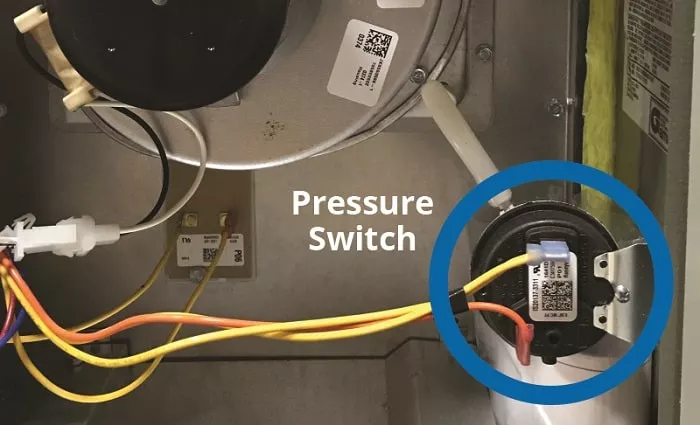 Health & SafetyWhat Is a Furnace Pressure Switch, and Why Won’t the Furnace Start?A pressure switch proves the furnace's exhaust is venting safely before the burners can light. If the small inducer motor runs but the burners…
 Health & SafetyWhat Is a Furnace Flame Sensor, and Why Does a Dirty One Shut Off the Heat?A flame sensor is a thin metal rod in the burner flame that tells the furnace's control board the gas really lit. When residue…
 Health & SafetyWhen Is a Heating or Cooling Problem an Emergency?It's an emergency when you smell gas, a carbon monoxide (CO) alarm sounds, you see smoke or smell something electrical burning, or the AC…