
 HVAC Systems
 Heating
 Ductwork & Air Flow
 Ventilation
 Filtration
 Dehumidification
 Maintenance
 Mold
Mold Remediation & Restoration
 Pure Maintenance
 Your Home
 Building Science
 Insulation & Envelope
 Health & Safety
Quick answer: The main warning signs of mold in an HVAC system are a musty smell when the system runs, visible growth on vents or around the indoor unit, water where it shouldn’t be, and filters that turn dark, damp or musty. If you notice any of them, have the system inspected before a small moisture problem spreads.
In this guide
- Why does mold end up in HVAC systems?
- 1. Does your house smell musty when the AC runs?
- 2. Can you see growth on vents or around the unit?
- 3. Does the house feel stuffy when the system runs?
- 4. Is there water where there shouldn’t be?
- 5. What does your air filter tell you?
- What should you do if you suspect mold in your HVAC system?
- Should you wait and see?
Why does mold end up in HVAC systems?
Because an air conditioner is a very efficient water-making machine. In a humid Central Texas summer, your AC pulls gallons of water out of the air every day, and that water drips off a cold coil into a pan, down a drain line and, hopefully, out of the house. Add dust, darkness and warm attic temperatures, and any spot where that water lingers becomes a nice place for mold to set up shop.
Mold in the system isn’t always obvious, but it usually leaves clues. Here’s what to look (and sniff) for, so you can catch a small moisture problem before it becomes a bigger, more expensive one.
1. Does your house smell musty when the AC runs?
A musty smell is often the first sign, and your nose is a surprisingly good detector. People usually describe it as earthy, stale or like wet cardboard.
- What to notice:
- A damp, musty odor right when the system kicks on.
- The smell is strongest near the vents, which points toward the ductwork or air handler.
- It comes back even after you’ve aired out the room.
- Pro tip: Note where the smell is strongest and when it shows up. That helps a technician find the source faster.
2. Can you see growth on vents or around the unit?
Sometimes, yes. Mold often hides deep in the system, but it can show up where you can see it if you know where to look.
- Where to look: supply vent grilles and the ceiling or wall right around them, the return grille and filter slot, the drain pan, and the outside of the indoor unit (air handler or furnace), if you can reach it safely.
- What you might see:
- Dark spots or patches, which can be black, dark green or even white.
- Fuzzy growth or slimy film.
- Discoloration that looks like dirt but doesn’t wipe away easily.
- Pro tip: Grab a flashlight and check both supply vents (blowing air out) and returns (pulling air in). If you spot growth, don’t touch or scrub it without proper protection.
3. Does the house feel stuffy when the system runs?
Some people notice that home just feels stuffier or more irritating than other places, especially with the air running. How anyone is feeling is a conversation for your doctor. On the building side, a few patterns are worth passing along to your HVAC pro:
- Patterns worth noting:
- The stuffiness is noticeably worse when the HVAC system is running.
- It eases when you’re away from home for a few hours or days.
- Several people in the house notice it at the same time.
- It’s worse in certain rooms.
None of these prove there’s mold, but paired with a musty smell or water around the equipment, they’re a good reason to have the system checked.
4. Is there water where there shouldn’t be?
Mold needs moisture, so any water that doesn’t belong in or around your HVAC system is a red flag.
- Red flags to watch for:
- Water droplets or condensation that keeps forming on or around vents.
- Puddles or wet spots near the indoor unit.
- Damp spots or stains on ceilings or walls where ducts run.
- Heavy condensation on windows and other surfaces inside the house.
- Standing water in the drain pan that doesn’t clear, or a pan that overflows.
- Pro tip: Check the drain pan and condensate line now and then during peak AC season. A healthy system drains its water steadily and stays fairly dry. A slow drain in July is how a ceiling stain gets started.
5. What does your air filter tell you?
Your filter’s job is to catch particles, and it can also be an early tip-off that mold is growing somewhere upstream.
A higher-MERV filter captures more fine particles, but check with an HVAC pro before upgrading, since some systems can’t move enough air through a dense filter.
- Warning signs:
- The filter gets dirty much faster than it used to.
- Dark spots, streaks or a fuzzy look on the filter itself.
- A musty smell from the filter, even a fairly new one.
- The filter feels damp or shows water marks.
- Best practices:
- Check your filter monthly.
- Replace disposable filters or clean reusable ones as needed, typically every 1-3 months.
What should you do if you suspect mold in your HVAC system?
Act fairly quickly and get a professional to look at it. Mold tied to a moisture problem rarely fixes itself.
- Right away:
- Consider turning the system off if you can see growth on the equipment or vents, so it isn’t spreading spores through the house. In an Austin summer, a shutdown lets humidity climb fast, so line up the inspection quickly.
- Document what you’ve found: take photos and jot down what you noticed, where and when.
- Call a pro who handles both HVAC and mold, so the growth and the moisture problem behind it get looked at together.
- Consider testing: a professional assessment can confirm whether mold is present and where.
- Long-term prevention, once the immediate problem is handled:
- Regular maintenance: professional tune-ups twice a year keep the drain flowing and the coil clean.
- Fix leaks promptly: plumbing and roof leaks feed mold as well as any AC drain.
- Control humidity: keep indoor humidity below 60%, ideally around 40-50%, using your HVAC system and a dehumidifier if needed.
- Stay on a filter schedule: replace or clean filters on time, every time.
- Professional duct cleaning or replacement: when mold is in the ducts, affected sections may need professional cleaning or replacement.
Should you wait and see?
No. You don’t need a whole checklist of signs before acting; one or two, especially together, are enough to get the system looked at. Mold fed by a moisture problem tends to spread, and it can damage equipment, ductwork and drywall along the way. Catching it early usually means a smaller, simpler fix.
Your HVAC system should help keep your home clean, dry and comfortable, not add to the problem. When in doubt, have a qualified pro check it out, and if anyone at home is feeling unwell, check in with your doctor too.
Related guides: Best Practices for Mold Prevention in Your HVAC System, How Indoor Moisture Affects Your Home’s Air and Indoor Air Quality Beyond Mold: Dust, VOCs, Filtration and Upkeep.
About Gold Eagle Services: This guide comes from the team at Gold Eagle Services, a family-run Austin HVAC, indoor air quality and mold remediation company founded in 2017. We’re licensed (TACLA119235 and RCO1783), insured and bonded, and we serve homes across the greater Austin area.
Need help with this in your home? Learn about our HVAC mold treatment and remediation, or call 512-489-4653 to schedule a visit.
Related Gold Eagle service: HVAC mold remediation
More in Mold
All 17 guides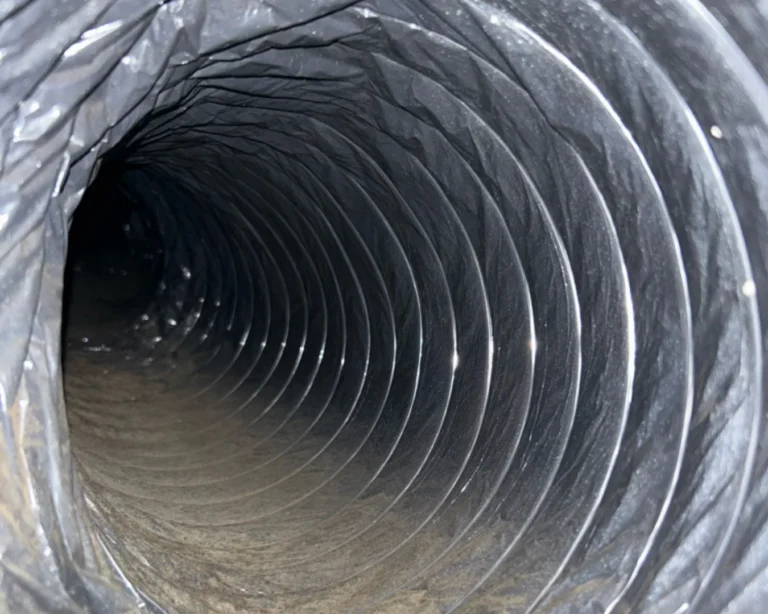 MoldWhat Should a Texas Mold Assessor Check on Your HVAC System?A Texas mold assessment consultant should check the HVAC parts that hold water or move air: drain pan, drain line, coil cabinet, filter, duct…
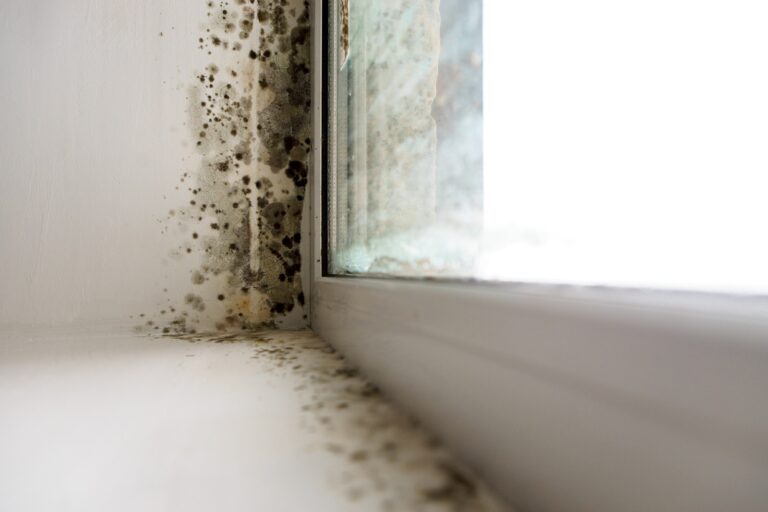 MoldIs It Safe to Stay in Your Home During Mold Remediation?Often yes, for smaller jobs where the work area is sealed off with plastic containment, kept under negative air pressure, and you stay out…
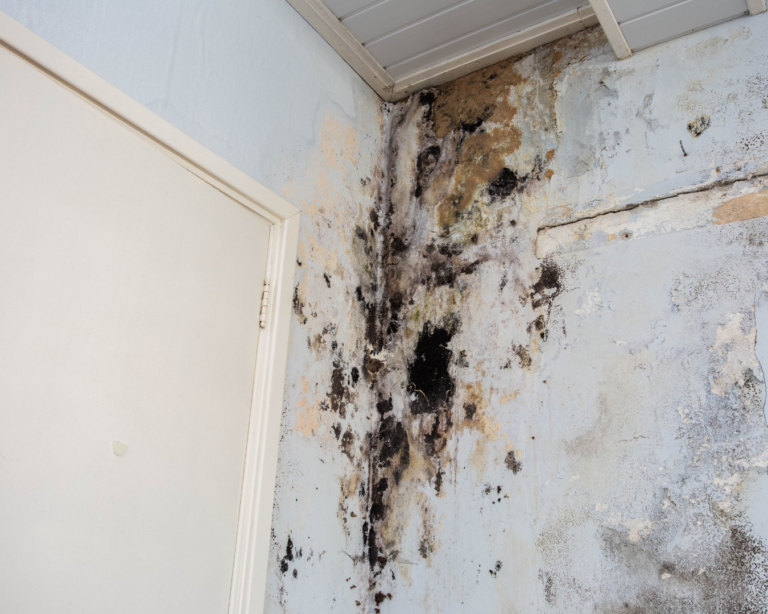 MoldWhat to Do in the First 48 Hours After a Water LeakStop the water, make the area safe around electricity, take photos, then get everything drying fast. The EPA says wet materials dried within 24…