
 HVAC Systems
 Heating
 Ductwork & Air Flow
 Ventilation
 Filtration
 Dehumidification
 Maintenance
 Mold
Mold Remediation & Restoration
 Pure Maintenance
 Your Home
 Building Science
 Insulation & Envelope
 Health & Safety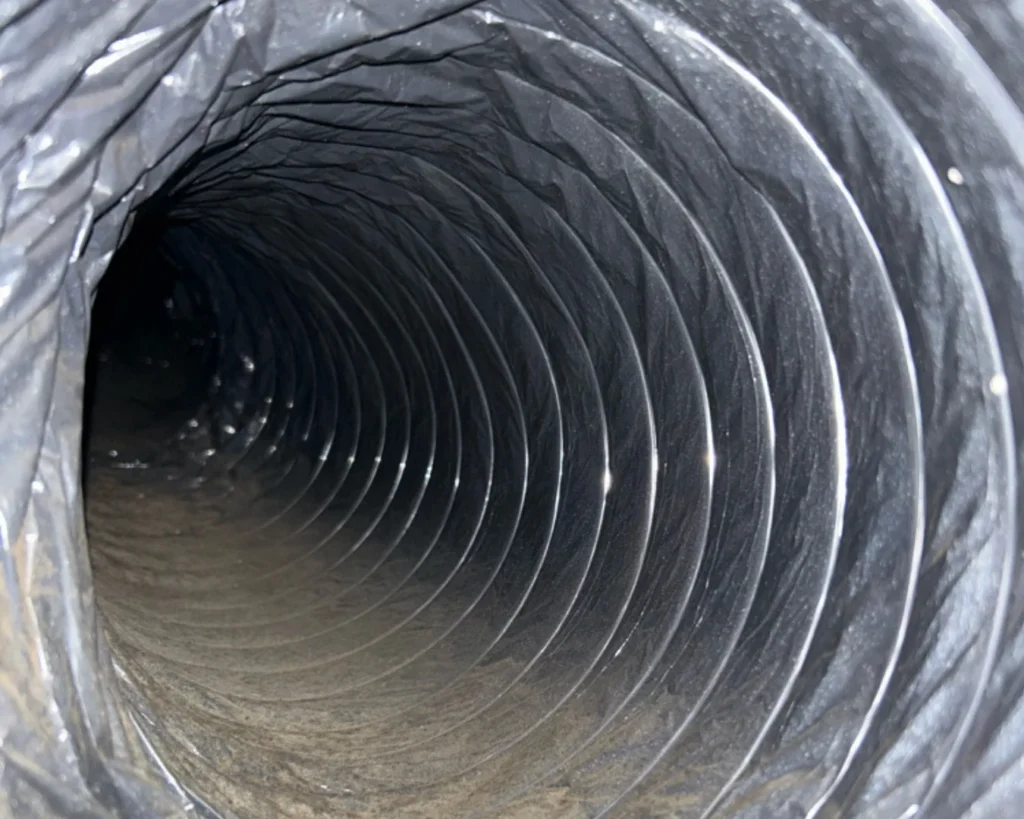
Quick answer: In Austin and Central Texas homes, a Texas-licensed mold assessment consultant (MAC) should check the HVAC parts that hold water or move air: the drain pan and line, the coil cabinet, the filter, and the duct joints and vent boxes. The assessor documents the mold and writes the cleanup plan. A licensed air conditioning contractor fixes the moisture cause.
In this guide
- What is a mold assessment consultant in Texas?
- Why does the HVAC system matter so much in a mold assessment?
- What should a mold assessor check on your HVAC system?
- Who fixes what: the assessor, the remediator or the AC contractor?
- What questions should you ask your mold assessor about the HVAC?
- Is there free HVAC training for Texas mold assessors?
- What should you do next?
What is a mold assessment consultant in Texas?
A mold assessment consultant (MAC) is a mold inspector licensed by the Texas Department of Licensing and Regulation (TDLR). They inspect, take samples, find where mold is growing and why, and write the plan for removing it, called a remediation protocol. When the job is done, they check the work against that plan.
Texas keeps that role separate from the company that does the cleanup. Under Occupations Code 1958.155, no one can both assess and remediate the same project or own a stake in both companies, so whoever sizes the job never profits from making it bigger.
Why does the HVAC system matter so much in a mold assessment?
The HVAC system matters because in a Central Texas house, the AC is often both the water source and the way it spreads. On a muggy July day the indoor coil can pull 10 gallons or more out of the air. All of it drips into a pan and leaves through a small drain line, usually from an air handler in an attic that can pass 130°F.
When that path fails, the water stays. A clogged drain, a rusted pan, ducts and boots sweating where they run cold, or a leaky return pulling damp attic or wall-cavity air into the system can all feed growth. Then the blower carries the musty smell to every room. If the moisture cause isn’t fixed, the mold can come back after the cleanup.
What should a mold assessor check on your HVAC system?
A mold assessor should check every HVAC part that holds water, moves air or controls humidity. Expect them to check:
- The thermostat: the fan setting (AUTO or ON) and the system’s run time.
- The drain pan and drain line: standing water, rust or slime, a trap that’s in place and holding water, and each drain line traced to where it ends.
- The backup protection: a float switch (a sensor that shuts the AC off if water backs up), a secondary drain line, or a drained second pan under an attic unit, and whether that pan is dry.
- The filter and its slot: size, rating, and gaps that let dust slip past.
- Duct collars and boots: the joints where ducts meet the main box, and the vent boxes, checked for dust tracks, failed tape and ceiling rings.
- The return side: the grille and path that bring air back to the AC, including closet returns and wall cavities used as ducts, which can pull in attic or wall air.
- Humidity and cold spots: readings in the rooms and up in the attic, and surface temperatures at supply vents and boots compared with the room’s dew point (the temperature where air drips water).
They should record each finding with its location, a photo and any measurement. The remediation company and the AC contractor both work from that record.
Who fixes what: the assessor, the remediator or the AC contractor?
The assessor documents, the remediator removes, and the AC contractor fixes the cause. The assessor finds and documents the mold and writes the protocol. The mold remediation company removes the growth by following that protocol. A licensed air conditioning contractor diagnoses and repairs the HVAC problem that caused the water.
That last step needs its own line in the protocol (ACR means air conditioning and refrigeration): “Evaluate and correct by a Texas-licensed ACR contractor.” Soft, absorbent HVAC parts with growth, like ductboard, flex duct or a bare cabinet liner, are usually replaced, not just treated. But new parts on the same clogged drain or sweating duct can grow mold again.
Mold in your AC system or ductwork? Gold Eagle Services is a licensed Texas mold remediation company that handles HVAC mold. We work from your assessor’s protocol, and because we also hold a Texas air conditioning license, we can repair the drain or duct problem behind it too. Mold in walls, attics or belongings goes to a general mold remediation company.
What questions should you ask your mold assessor about the HVAC?
Ask these five questions to learn whether the HVAC got a real look:
- Did you shut off the power and open the access panel to look at the coil, drain pan and cabinet liner?
- Did you trace the drain line to where it ends?
- Was the system running when you took air samples?
- Does the protocol list each HVAC part to clean or replace, with quantities and methods?
- How will you confirm the moisture cause was fixed before clearance (the final sign-off)?
Is there free HVAC training for Texas mold assessors?
Yes. Gold Eagle built a free online course, HVAC Awareness for Mold Assessment Consultants. Its seven modules run from the air handler and drain pan to ducts, static pressure (how hard the blower pushes), humidity and writing the HVAC part of a protocol.
Home inspectors and homeowners can take it too. The course is education only: it doesn’t recommend any contractor, including Gold Eagle, isn’t TDLR-accredited and doesn’t count toward license renewal.
What should you do next?
- If the AC smells musty when it runs, check the filter and drain first: replace a dirty filter and see whether the white PVC drain outside drips while the AC runs.
- For growth that may cover 25 contiguous square feet or more (the Texas line for licensed mold work), or mold you can see inside the AC unit or ducts, hire an independent licensed mold assessor and ask them the HVAC questions above.
- If you assess or inspect homes, take the education-only HVAC course for mold assessors.
- Mold in your AC system or ductwork? Call Gold Eagle Services, a licensed Texas mold remediation company that handles HVAC mold, at 512-489-4653, or schedule online.
Related guides: Mold and Home Sales in Austin: Inspections, Texas Rules and Timelines, Is It Safe to Stay in Your Home During Mold Remediation? and Can a Dirty Air Conditioner Make You Sick?
About Gold Eagle Services: This guide comes from the team at Gold Eagle Services, a family-run Austin HVAC, indoor air quality and mold remediation company founded in 2017. We’re licensed (TACLA119235 and RCO1783), insured and bonded, and we serve homes across the greater Austin area.
Need help with this in your home? Learn about our HVAC mold treatment and remediation, or call 512-489-4653 to schedule a visit.
Related Gold Eagle service: HVAC mold remediation
More in Remediation & Restoration
All 8 guides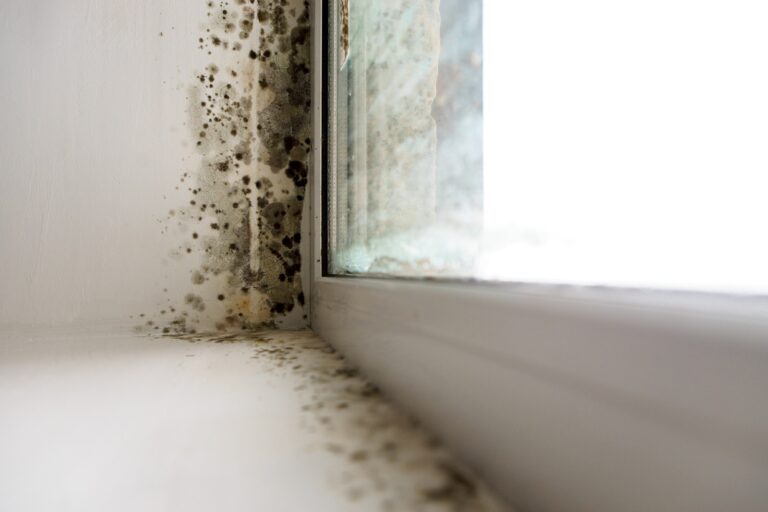 Remediation & RestorationIs It Safe to Stay in Your Home During Mold Remediation?Often yes, for smaller jobs where the work area is sealed off with plastic containment, kept under negative air pressure, and you stay out…
 Remediation & RestorationShould You Run Your AC After Water Damage?Usually yes, if the HVAC equipment and ducts stayed dry. The AC is one of your best tools for drying a Central Texas house,…
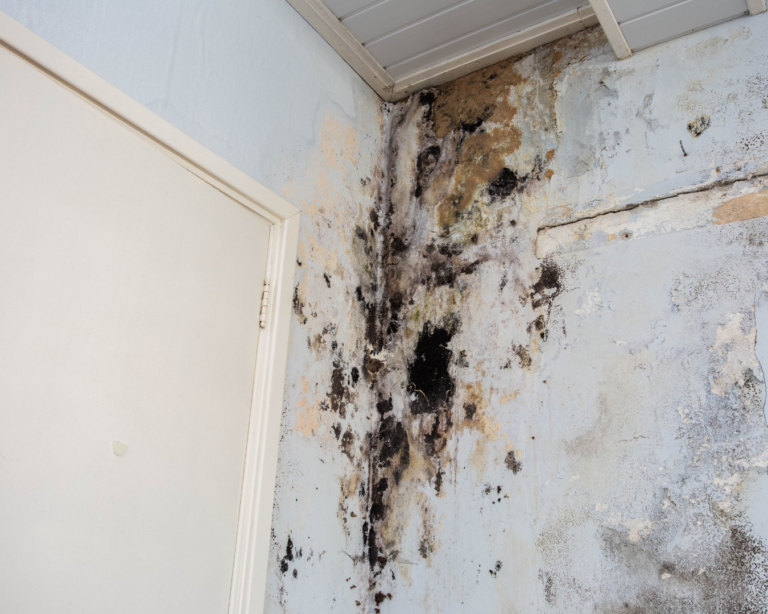 Remediation & RestorationWhat to Do in the First 48 Hours After a Water LeakStop the water, make the area safe around electricity, take photos, then get everything drying fast. The EPA says wet materials dried within 24…