
 HVAC Systems
 Heating
 Ductwork & Air Flow
 Ventilation
 Filtration
 Dehumidification
 Maintenance
 Mold
Mold Remediation & Restoration
 Pure Maintenance
 Your Home
 Building Science
 Insulation & Envelope
 Health & Safety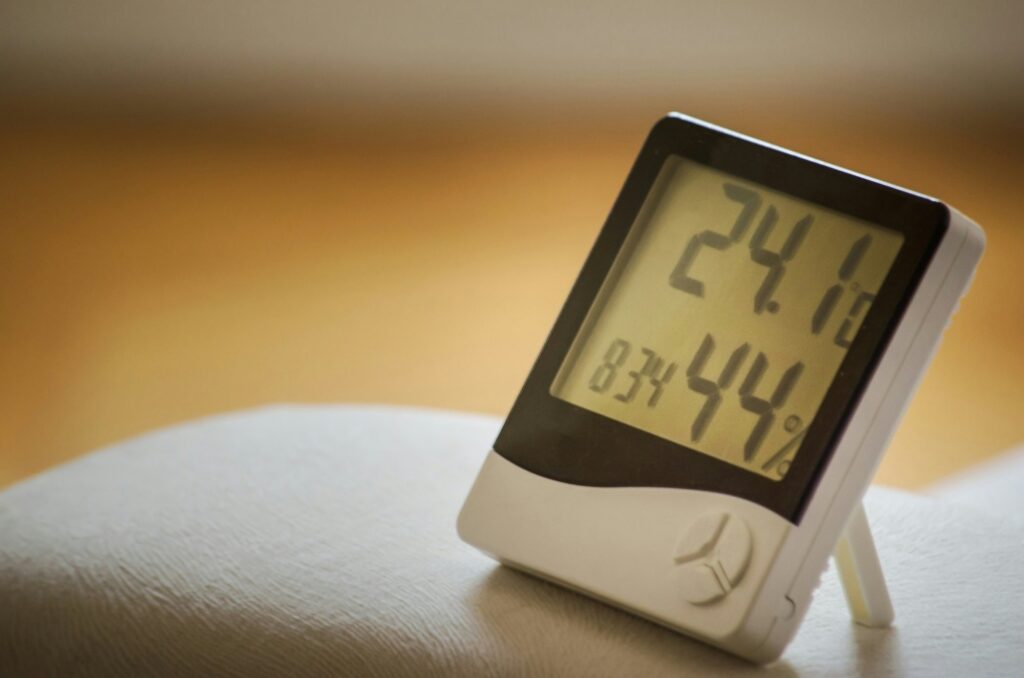
Quick answer: A properly sized, well-maintained HVAC system is one of the best tools for mold prevention because it removes humidity every time it cools. Keep filters changed, the coil and drain pan clean, the drain line clear, and ductwork sealed and insulated. If your AC can’t keep indoor humidity below 60% on its own, a whole-home dehumidifier can help.
In this guide
How does your HVAC system help prevent mold?
By pulling water out of the air every time it cools. Most people think of the HVAC system as heating and cooling, full stop, but in Central Texas it’s also your main defense against humidity, and humidity is what mold needs.
Air travels through the system in two streams: return air and supply air. Return ducts pull air from the living spaces to the air handler, usually in the attic, where it crosses the cold evaporator coil. Moisture condenses on the coil, drips into the drain pan and drains away.
On a sticky July day, that can add up to gallons. The cooled, drier air then returns to the rooms through the supply ducts. That steady loop keeps air from going stagnant and keeps humidity in check.
When does the HVAC system become part of the mold problem?
When it’s neglected or the wrong size. The same equipment that removes moisture can start adding to it:
- Dirty filters and coils choke airflow, which can make the coil run too cold, even freeze, and leave water where it shouldn’t be when it thaws.
- Clogged drain pans and drain lines leave standing water inside the air handler, a common spot for mold and, with an attic unit, the source of a water stain on the ceiling below.
- Oversized equipment cools the house quickly and shuts off before it has removed much humidity, leaving the home cool but clammy.
- Leaky or poorly insulated ducts in a hot Texas attic, usually a ductboard plenum with flex runs, can sweat, and leaky returns pull humid attic air right into the system.
- Poorly designed ductwork can leave some rooms humid and stuffy while others are over-cooled.
What HVAC maintenance prevents mold?
The basics, done on time:
- Change or clean filters every 1-3 months, depending on the filter and your home.
- Have a pro check the system each year, including the coil, blower and drain pan.
- Keep the condensate drain line clear, and make sure an attic air handler has a secondary drain pan and float switch. The float switch is the small part that shuts the system off before water comes through your ceiling.
- Have ductwork inspected for leaks, disconnections, missing insulation and signs of condensation.
- Size any replacement system with a load calculation, so it runs long enough to remove humidity.
Once you think of your HVAC system as a moisture-control system that also happens to cool the house, mold prevention becomes routine instead of an emergency project.
Already see mold on the coil, in the drain pan or at the vents? Gold Eagle Services, a licensed Texas mold remediation company, handles mold in the HVAC system. Mold in walls, attics or belongings is a job for a general mold remediation company.
When do you need a dehumidifier, and how do you choose one?
When your AC can’t hold humidity below 60% on its own. In Central Texas, the tough stretches are often the mild, muggy days of spring and fall, when it’s humid outside but not hot enough for the AC to run much. Very tight, efficient homes, where the AC rarely needs to run long, can struggle too. That’s when a dehumidifier earns its keep.
Sizing comes first. Dehumidifiers are rated by how many pints of water they can remove per day. A small portable unit might handle a single bedroom, while the whole house takes a whole-home unit. An undersized unit runs constantly without reaching the target, and an oversized one costs more than necessary to buy and run.
Placement matters too. Portable units need open space around them for airflow and work best right where the problem is.
Whole-home dehumidifiers go in the attic or a closet and tie into the HVAC ductwork, so they dry air for the whole house and drain on their own. No buckets to empty. A pier-and-beam home with a damp crawl space may also need a dedicated crawl space unit.
Maintenance is easy to forget and matters for the long run. Clean or replace filters, check drain lines, and clean any reservoirs so growth doesn’t start inside the unit. A neglected dehumidifier can become a source of the very problem it was bought to solve.
What should you do next?
- Put a hygrometer in your main room and watch for readings above 60%.
- Check the filter, and make sure the condensate drain line is clear.
- Book a yearly check of the coil, drain pan, float switch and attic ductwork.
- If your system is the wrong size or near the end of its life, see how a right-sized system with whole-home dehumidification comes together in our Build Your System tool.
Related guides: Building Science Best Practices for Mold Prevention, Warning Signs of Mold in Your HVAC System (And What to Do About It) and Could Your HVAC System Be Secretly Growing Mold? A Homeowner’s Guide to Prevention.
About Gold Eagle Services: This guide comes from the team at Gold Eagle Services, a family-run Austin HVAC, indoor air quality and mold remediation company founded in 2017. We’re licensed (TACLA119235 and RCO1783), insured and bonded, and we serve homes across the greater Austin area.
Need help with this in your home? Learn about our HVAC mold treatment and remediation, or call 512-489-4653 to schedule a visit.
Related Gold Eagle service: HVAC mold remediation
More in Mold
All 17 guides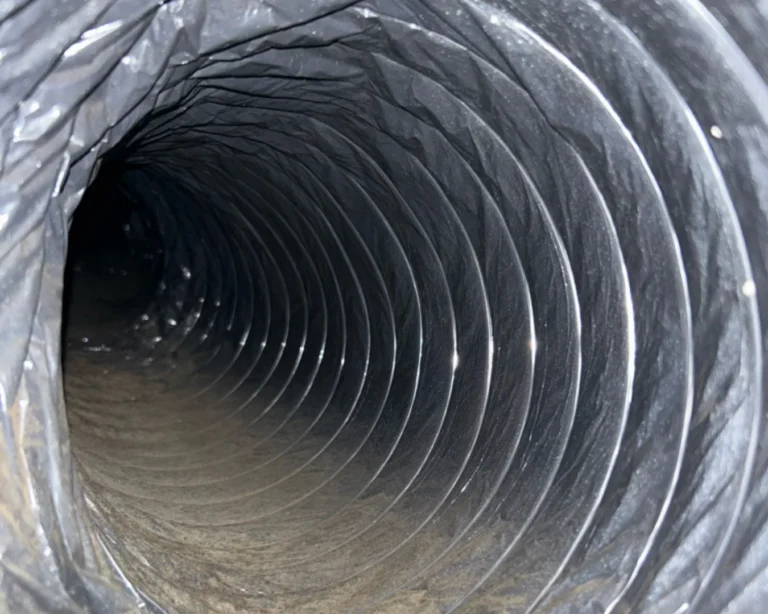 MoldWhat Should a Texas Mold Assessor Check on Your HVAC System?A Texas mold assessment consultant should check the HVAC parts that hold water or move air: drain pan, drain line, coil cabinet, filter, duct…
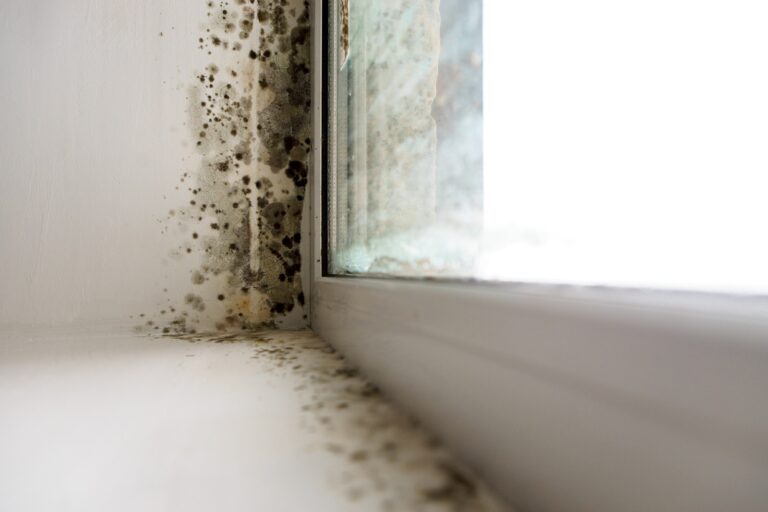 MoldIs It Safe to Stay in Your Home During Mold Remediation?Often yes, for smaller jobs where the work area is sealed off with plastic containment, kept under negative air pressure, and you stay out…
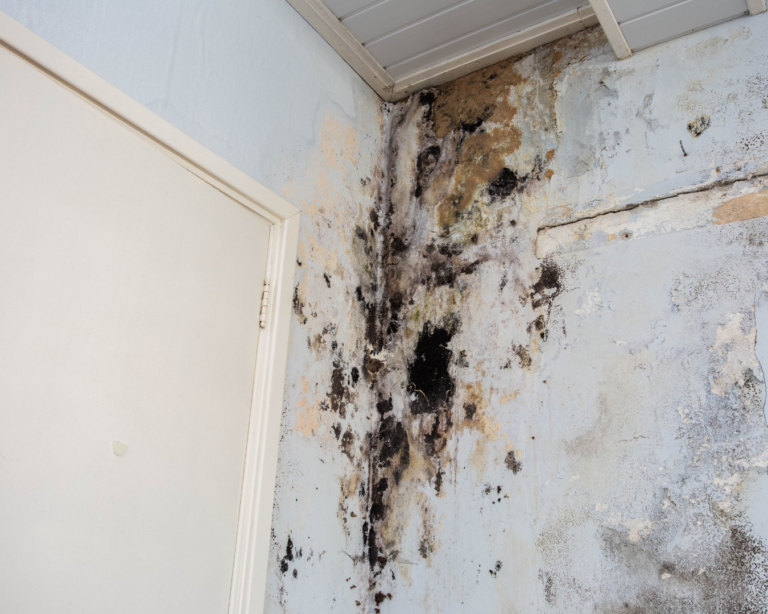 MoldWhat to Do in the First 48 Hours After a Water LeakStop the water, make the area safe around electricity, take photos, then get everything drying fast. The EPA says wet materials dried within 24…