
 HVAC Systems
 Heating
 Ductwork & Air Flow
 Ventilation
 Filtration
 Dehumidification
 Maintenance
 Mold
Mold Remediation & Restoration
 Pure Maintenance
 Your Home
 Building Science
 Insulation & Envelope
 Health & Safety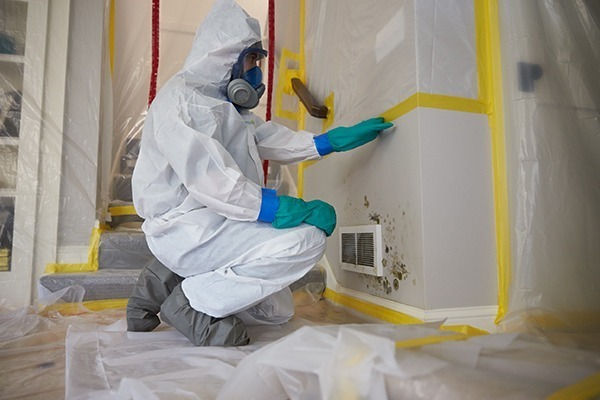
Quick answer: A home can pass a remediation clearance test and still have mold problems if the moisture source was never fully fixed, indoor humidity stays high, or spores and debris spread beyond the work area, including into the HVAC system. Lasting results come from controlling moisture across the whole home, not just the spot that got wet.
In this guide
HVAC and indoor air quality pros hear this story a lot. A flood or a big leak, an insurance claim, a remediation crew. New drywall goes up, fresh paint goes on, the ducts get cleaned, and the house looks brand new.
A few months later the musty smell is back, or new spots show up in a closet or around a vent. The obvious question: if the house was “fixed,” why is the problem still there?
How do mold problems build up in a house?
Slowly, through small moisture events that add up over years. A brand-new home typically has indoor mold spore counts close to the outdoor air. That’s normal, since spores are everywhere outdoors, and the house itself isn’t yet a place where mold grows.
Over time, little things tip the balance. A slow leak under a sink never quite dries. A used dresser comes in from a damp garage carrying spores.
The AC drain pan overflows into the air handler cabinet during a muggy summer. None of these feels like a big deal at the time, but each one can add another spot where mold grows.
How do humidity and the HVAC system make mold worse?
They keep the house damp enough for mold to keep spreading, no flood required. Mold growth becomes much more likely when indoor relative humidity stays above about 60%. Showers, cooking or a stretch of muggy weather, which Central Texas serves up generously, can push a house into that range.
In many homes the HVAC system quietly helps. Oversized equipment short-cycles, shutting off before it can pull moisture out. Poor duct design and ducts sweating in a hot attic add to it. The house stays humid for long stretches, and spores settle and grow in ducts, around registers and in damp spots throughout the house.
What does mold remediation usually cover?
The damaged area, as it should. Crews set up containment, usually plastic sheeting and negative air machines, to keep dust and debris from spreading while they work. When the work is done, the area is tested for clearance, and if it passes, the project is complete.
In Texas, a licensed mold assessor writes a protocol that sets that scope under the Texas Mold Assessment and Remediation Rules. If spores and debris traveled through the HVAC system into other rooms before the project started, or the moisture problem reaches past the area that was identified, those parts of the home may fall outside the original scope. That isn’t a failure of the rules. It’s a reminder that the whole home and all its moisture sources need a look.
Why can a mold test miss a problem?
Because every test sees only a small slice of the house at one moment. Testing is useful, but it can give false comfort if you don’t know its limits. An air sample captures a small amount of air and only catches spores that are floating right then.
Heavy spores like Stachybotrys don’t stay in the air long enough to be caught easily, and some molds, such as Chaetomium, release spores in ways that make them harder to detect. Different labs can also read the same sample differently. So a home can “pass” in one spot while mold remains in others.
How do you keep mold from coming back after remediation?
Fix the conditions, not just the spots. Houses that slide back into the same problems usually share a story: not every moisture source was found and fixed, nobody addressed humidity, and the HVAC system may still be moving spores and debris around. The visible mold is gone, but the conditions that grew it remain.
Lasting results mean looking at the entire home:
- Find and fix every moisture source, from plumbing leaks to sweating ducts.
- Check the HVAC system for proper sizing, dehumidification and balanced ventilation.
- Inspect and clean the air handler, coil, drain pan and ductwork where needed.
- Have a general mold remediation company treat walls, attics or belongings beyond the original work area when the evidence calls for it.
- Keep indoor humidity below 60% from here on out.
Mold in your AC system or ductwork? Gold Eagle Services is a licensed Texas mold remediation company that handles HVAC mold, and we can check the equipment’s sizing and dehumidification on the same visit. See our HVAC mold remediation page.
What should you do next?
- Put a hygrometer (a small humidity meter) in the house and keep indoor humidity below 60%.
- Note where the musty smell or new spots show up, such as closets or around vents.
- Check under sinks and around the air handler’s drain pan for slow leaks or overflow.
- If problems keep coming back after remediation, book a Gold Eagle visit to have the AC system, ducts and humidity checked, or call 512-489-4653.
Related guides: Mold Testing: What Each Method Can and Can’t Tell You, Dry Fog Treatment vs. Mold Remediation: What’s the Difference? and Why Your HVAC System Alone Can’t Stop Mold: A Complete Picture for Central Texas Homeowners.
About Gold Eagle Services: This guide comes from the team at Gold Eagle Services, a family-run Austin HVAC, indoor air quality and mold remediation company founded in 2017. We’re licensed (TACLA119235 and RCO1783), insured and bonded, and we serve homes across the greater Austin area.
Need help with this in your home? Learn about our HVAC mold treatment and remediation, or call 512-489-4653 to schedule a visit.
Related Gold Eagle service: HVAC mold remediation
More in Mold
All 17 guides MoldWhat Should a Texas Mold Assessor Check on Your HVAC System?A Texas mold assessment consultant should check the HVAC parts that hold water or move air: drain pan, drain line, coil cabinet, filter, duct…
 MoldIs It Safe to Stay in Your Home During Mold Remediation?Often yes, for smaller jobs where the work area is sealed off with plastic containment, kept under negative air pressure, and you stay out…
 MoldWhat to Do in the First 48 Hours After a Water LeakStop the water, make the area safe around electricity, take photos, then get everything drying fast. The EPA says wet materials dried within 24…