
 HVAC Systems
 Heating
 Ductwork & Air Flow
 Ventilation
 Filtration
 Dehumidification
 Maintenance
 Mold
Mold Remediation & Restoration
 Pure Maintenance
 Your Home
 Building Science
 Insulation & Envelope
 Health & Safety
Quick answer: Stop the water, make the area safe around electricity, take photos, then get everything drying as fast as you can. The EPA says that when wet materials are dried within 24 to 48 hours of a leak, in most cases mold won’t grow. Pull up soaked rugs and pads, move air, run the AC if the HVAC system stayed dry, and bring in a pro for anything you can’t dry.
In this guide
- What should you do in the first hour after a leak?
- Should you call your insurance company right away?
- How do you dry things out fast enough to prevent mold?
- What can’t you dry out yourself?
- When does a water leak turn into a mold remediation job?
- Is it OK to run the AC after a leak?
- What should you do next?
What should you do in the first hour after a leak?
Stop the water first. Close the valve under the fixture if the leak is there, or the home’s main shutoff if it isn’t. The main is often where the line enters the house, in the garage, or at the meter box by the street. Find yours before you need it.
- If water is near outlets, cords or appliances, switch off power to that area at the breaker panel, but only if you can reach the panel without standing in water.
- Stay out from under a sagging, water-filled ceiling.
- If the leak is coming from your AC (often a clogged drain line), turn the system off at the thermostat. Why an AC leaks water covers the usual causes.
Should you call your insurance company right away?
Take photos and video first, then call. Document the source, the wet areas and damaged items before you move them, and keep receipts for anything you buy to dry things out. Most policies expect you to take reasonable steps to limit further damage, so start drying while you wait for the adjuster.
How do you dry things out fast enough to prevent mold?
Speed matters more than anything else, and the EPA’s window is 24 to 48 hours.
- Pull up standing water with a wet/dry vacuum, not a household vacuum, which isn’t built for it.
- Lift wet area rugs and move furniture off wet carpet. Wet carpet pad is hard to dry in place and is often replaced.
- Open cabinet doors and closets, and pull wet items out of them.
- Run fans across wet surfaces and a dehumidifier in the room.
- Keep the windows closed and the AC running in humid weather. With a July dew point in the 70s, outdoor air brings more water in than it takes out.
What can’t you dry out yourself?
You can’t dry water you can’t reach. Moisture inside walls, under laminate or engineered wood on a slab, or in ceiling insulation can stay wet long after the surface feels dry. Professionals use moisture meters and thermal cameras to find it.
Leave any water from a sewer backup or outdoor flooding to a professional. It’s contaminated, and porous materials it touched usually have to go.
When does a water leak turn into a mold remediation job?
A leak becomes a mold job when mold is already growing, or materials stayed wet long enough that it likely will. In Texas, if the affected area is 25 contiguous square feet or more and you hire someone to fix it, an independent licensed mold assessor writes a protocol, a separate licensed remediation contractor does the work, and the assessor checks the results. The IICRC S520 and Texas mold rules explains how that fits together, and mold testing methods covers what testing can and can’t tell you. Mold in walls or ceilings goes to a general mold remediation company; mold in the AC system or ducts is HVAC mold, which Gold Eagle handles.
Is it OK to run the AC after a leak?
Usually yes, if the air handler, ducts and electrical parts stayed dry and you don’t suspect mold in the system. If water reached the HVAC equipment, the EPA advises having it checked before you turn it back on. If it did, Gold Eagle can check the air handler, ducts and wiring before you restart the system; schedule a visit online or call 512-489-4653.
What should you do next?
- Find your home’s main water shutoff today, before you need it.
- After a leak, take photos first, then start drying within the first 24 to 48 hours.
- Keep windows closed and run fans and a dehumidifier in the wet room.
- Call a water damage company for wet walls and ceilings, and schedule a Gold Eagle visit if water reached your AC, air handler or ducts.
Related guides: What Is the IICRC S520, and How It Fits With Texas Mold Rules, Mold Testing: What Each Method Can and Can’t Tell You and How Indoor Moisture Affects Your Home’s Air.
About Gold Eagle Services: This guide comes from the team at Gold Eagle Services, a family-run Austin HVAC, indoor air quality and mold remediation company founded in 2017. We’re licensed (TACLA119235 and RCO1783), insured and bonded, and we serve homes across the greater Austin area.
Need help with this in your home? Learn about our HVAC mold treatment and remediation, or call 512-489-4653 to schedule a visit.
Related Gold Eagle service: HVAC mold remediation
More in Remediation & Restoration
All 8 guides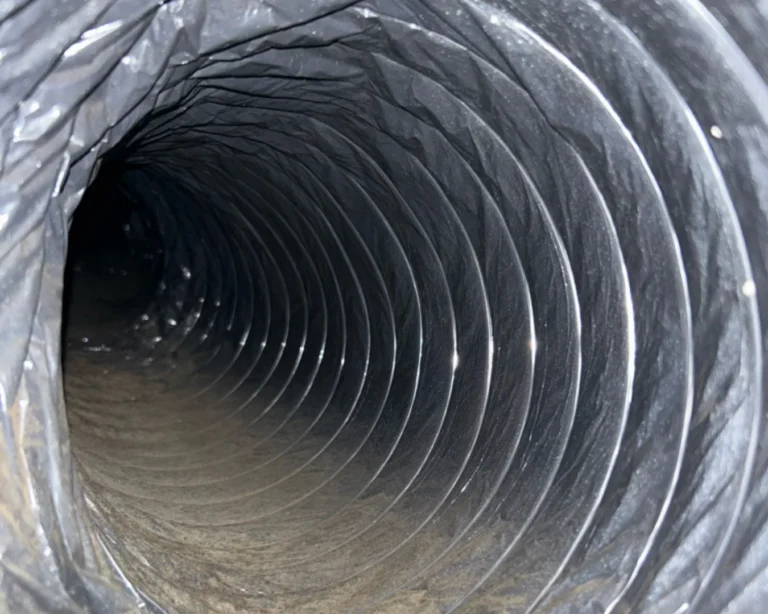 Remediation & RestorationWhat Should a Texas Mold Assessor Check on Your HVAC System?A Texas mold assessment consultant should check the HVAC parts that hold water or move air: drain pan, drain line, coil cabinet, filter, duct…
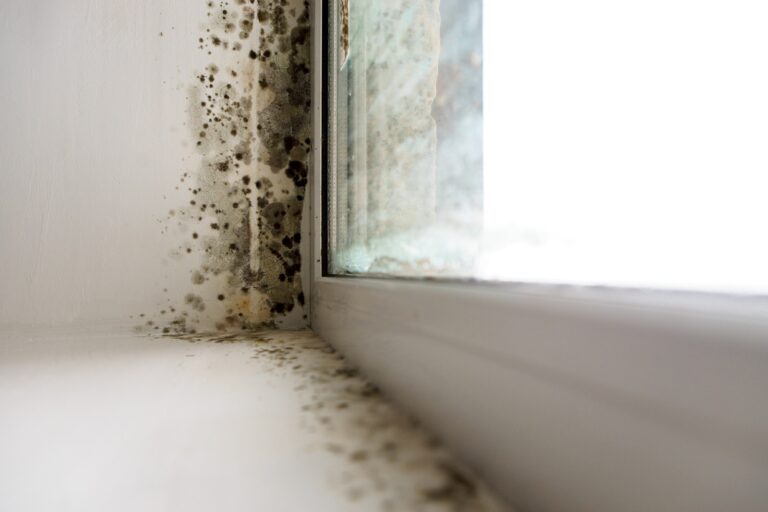 Remediation & RestorationIs It Safe to Stay in Your Home During Mold Remediation?Often yes, for smaller jobs where the work area is sealed off with plastic containment, kept under negative air pressure, and you stay out…
 Remediation & RestorationShould You Run Your AC After Water Damage?Usually yes, if the HVAC equipment and ducts stayed dry. The AC is one of your best tools for drying a Central Texas house,…