
 HVAC Systems
 Heating
 Ductwork & Air Flow
 Ventilation
 Filtration
 Dehumidification
 Maintenance
 Mold
Mold Remediation & Restoration
 Pure Maintenance
 Your Home
 Building Science
 Insulation & Envelope
 Health & Safety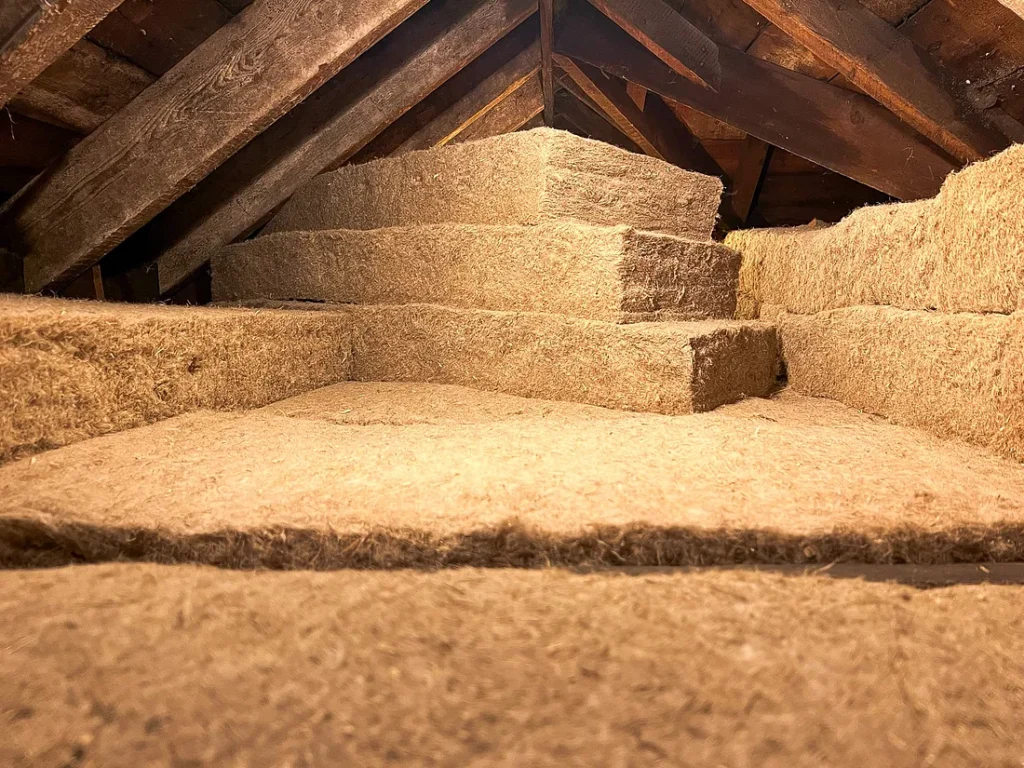
Quick answer: Hemp insulation, such as HempWool® batts, is made from industrial hemp fiber and sold as free of formaldehyde and added VOCs, so it adds very little to your indoor air. It insulates about as well as fiberglass batts and suits walls and rooflines when you want a low-chemical, renewable material.
In this guide
What is hemp insulation?
Hemp insulation is a batt or blanket made from the fibers of industrial hemp, a fast-growing plant raised for fiber and seed. And no, not that kind of hemp. In a wall, the only thing it does is slow down heat and sound.
It fills the same framing cavities as fiberglass or mineral wool and goes in much the same way. The difference is what it’s made of and what it leaves in the air afterward.
Why is hemp insulation good for indoor air quality?
Mainly because it has very little in it to off-gas, meaning it releases few chemicals into the air as it ages. Here’s what it brings to a home:
- Low chemical load: Some conventional insulation products and binders release chemicals into the air, especially when new. Hemp batts like HempWool® are made without formaldehyde or added VOCs (volatile organic compounds, the source of most “new house smell”), so less of that drifts out of the walls. If anyone in your home is sensitive to chemical odors, that’s worth knowing.
- Moisture handling: Hemp fiber absorbs moisture and releases it again without losing much insulating value, which buffers small humidity swings inside a wall. It does not replace humidity control, leak repair and a properly sized AC, which are what actually keep mold away in a humid Austin summer.
- Solid thermal performance: Insulation’s main job is slowing heat flow, and hemp does that about as well as common batt products (see the R-value below). In Central Texas that mostly means keeping August heat out so your AC runs less.
- Sound absorption: The dense fibers soak up sound, so hemp batts quiet traffic outside and the TV in the next room. A home office next to the kids’ bedroom is a good candidate.
- Renewable source: Hemp grows quickly, generally needs few pesticides or herbicides, and takes up carbon dioxide as it grows. If a lower-impact building material matters to you, it checks that box.
What is HempWool® batt insulation?
HempWool® Batt is a hemp insulation product made as an alternative to fiberglass batts. It’s sized for standard wood and metal framing and uses a friction fit, so it holds itself in wall and roof cavities instead of sagging or settling over time.
The manufacturer describes it as VOC-free and non-toxic, treated with a fire retardant, and designed for both thermal and sound insulation. Where it fits best:
- Wall cavities and rooflines: exterior walls, walls between bedrooms and the underside of a roof deck, anywhere you want both heat and sound control.
- R-value: HempWool® Batt is rated at R-3.69 per inch, in the same neighborhood as common fiberglass batts. R-value measures how well a material resists heat flow; more of it means less heat moving through the wall, which your cooling bill will notice.
Batts need open framing to install, so they make the most sense in new construction, additions and remodels where the walls are already open.
Can you use hemp insulation in attics and existing walls?
Not easily with batts, which is why we’re watching for blown-in hemp insulation to become more widely available. Most Austin-area attics are insulated with blown-in material, and blowing insulation in is the only way to fill closed walls in an existing home.
A blown-in hemp product would make hemp practical throughout a house, including attics, hard-to-reach spaces and finished walls. Until then, hemp batts are a good choice for walls and rooflines, and the rest of the house can still be insulated and air sealed well with other materials.
The bottom line: if you’re opening walls anyway and want insulation that insulates well, dampens sound and adds very little to your indoor air, hemp deserves a spot on the shortlist.
For the attic, where hemp batts don’t fit yet, Gold Eagle Services installs blown-in insulation and air sealing; schedule a visit online or call 512-489-4653.
What should you do next?
- List which walls and rooflines will be open in your remodel or addition, so you know where batts could go.
- Ask your insulation contractor for the R-value per inch and the product’s VOC and formaldehyde details in writing.
- Keep indoor humidity under control with a properly sized AC, since no insulation replaces that.
- Book a visit if you want us to check how new insulation will affect your AC sizing.
Related guides: Why Insulation Is Key to a Cleaner, Drier Home in Central Texas, How Insulation Impacts Your HVAC System: Boost Efficiency or Cause Harm? and What Are MERV Ratings, and How Do They Affect IAQ?.
About Gold Eagle Services: This guide comes from the team at Gold Eagle Services, a family-run Austin HVAC, indoor air quality and mold remediation company founded in 2017. We’re licensed (TACLA119235 and RCO1783), insured and bonded, and we serve homes across the greater Austin area.
Need help with this in your home? Learn about our indoor air quality solutions, or call 512-489-4653 to schedule a visit.
Related Gold Eagle service: Attic insulation
More in Insulation & Envelope
All 21 guides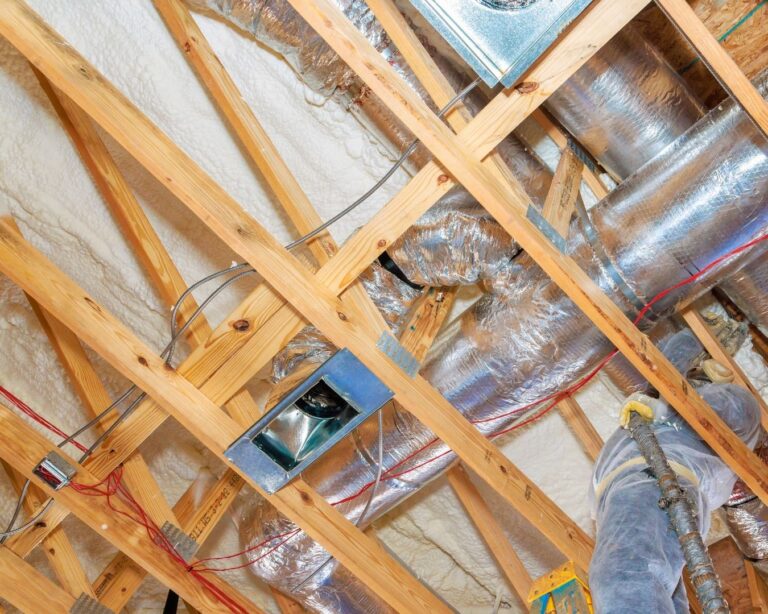 Insulation & EnvelopeLeaky Ducts: How They Pull Attic Air and Dust Into Your HomeThe return side of your duct system runs under suction, so any leak in a return duct, filter grille or air handler cabinet in…
 Insulation & EnvelopeWhere Your Home Leaks Air: Central Texas Air Sealing PrioritiesIn most Central Texas homes, the biggest air leaks aren't windows and doors but hidden openings in the attic and ductwork. Sealing between the…
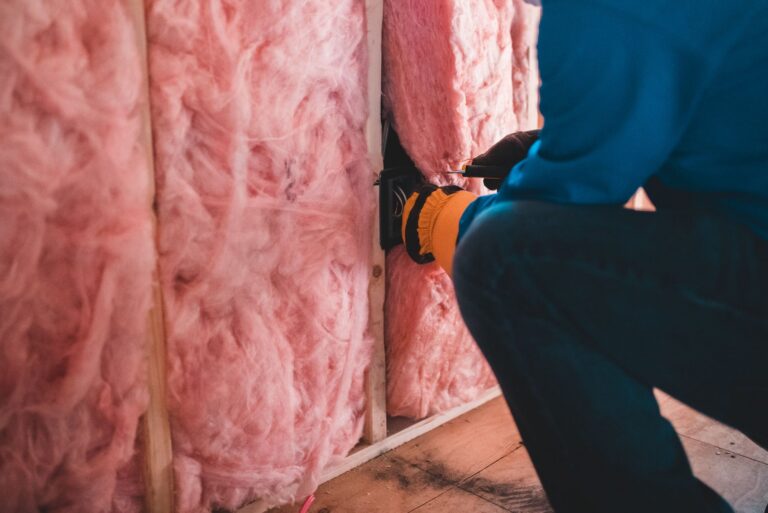 Insulation & EnvelopeWhat R-Value Attic Insulation Do You Need in Austin?R-value measures how well insulation resists heat flow: the higher the number, the better it insulates. In Austin, the current building code minimum for…