
 HVAC Systems
 Heating
 Ductwork & Air Flow
 Ventilation
 Filtration
 Dehumidification
 Maintenance
 Mold
Mold Remediation & Restoration
 Pure Maintenance
 Your Home
 Building Science
 Insulation & Envelope
 Health & Safety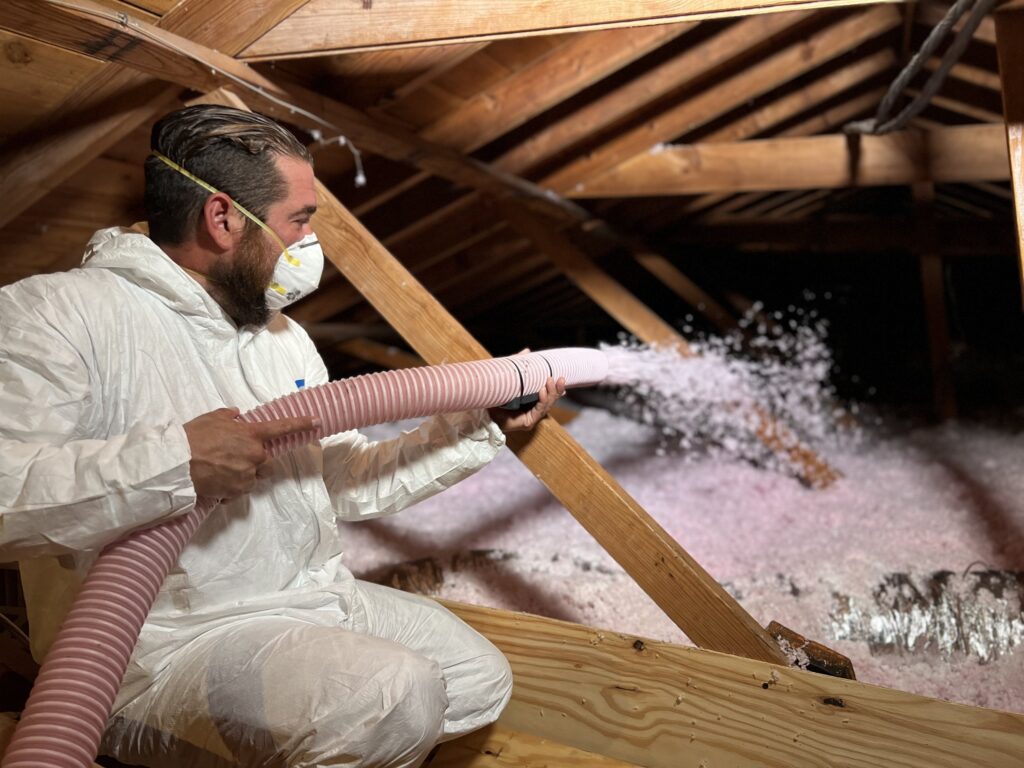
Quick answer: Good insulation does more than save energy. By keeping indoor temperatures and surfaces steady, it helps prevent the condensation that feeds mold, and paired with air sealing it keeps out more outdoor dust and pollen. The result is a Central Texas home that’s drier, cleaner, quieter and more comfortable.
In this guide
- What does insulation have to do with indoor air quality?
- How does insulation help prevent condensation and mold?
- Can insulation keep dust and pollen out of your house?
- Does insulation make a home more comfortable?
- Does insulation reduce noise?
- Is sustainable insulation worth considering?
- Why is insulation worth getting right in Central Texas?
- What should you do next?
What does insulation have to do with indoor air quality?
More than most people think. Insulation isn’t just a blanket against August heat and the occasional January cold snap; it also shapes your indoor air quality (IAQ), meaning how clean and dry the air inside your house is.
Done right, it helps keep your home cleaner, drier and more comfortable. It controls the moisture that leads to mold, cuts down on outdoor dust and pollen, and holds temperature and humidity steadier.
How does insulation help prevent condensation and mold?
It keeps surfaces from getting cold enough to “sweat.” Condensation forms when humid air touches a surface cooler than its dew point, the same way a glass of iced tea drips on the porch in July.
In our climate that’s a real summer concern. An uninsulated or poorly insulated AC duct running through a hot, muggy attic can drip water onto the ceiling below. Insulation keeps surface temperatures steadier, so moisture has fewer places to condense on walls, ceilings and ductwork.
- Less condensation: Properly installed insulation shrinks the temperature difference between cooled rooms and hot spaces like the attic, or between different parts of the structure. Smaller differences mean less moisture buildup.
- Less mold-friendly moisture: Mold needs water to grow. When insulation keeps moisture from collecting inside your home’s structure, mold has fewer damp spots to take hold.
Insulation helps, but it’s only one piece of keeping mold away. Leaks, a poorly draining AC and high indoor humidity still need to be fixed on their own.
Can insulation keep dust and pollen out of your house?
It helps, especially as part of a well-sealed building envelope (the shell of walls, roof and floor that separates inside from outside). Air leaks let dust, pollen, outdoor mold spores and other particles drift in unfiltered. Insulation installed with good air sealing closes many of those paths.
- Cleaner indoor air: Less dust, pollen and outdoor mold spores leaking in means cleaner air, and your filters and HVAC system have less outside debris to handle. That’s welcome in cedar season.
- Less dust from the attic: A tighter, better-insulated home has fewer stray drafts pulling dust from attics and crawl spaces into your living areas. Translation: less dusting.
Does insulation make a home more comfortable?
Yes. It keeps indoor temperatures stable, which means fewer hot and cold spots, steadier humidity and a house that simply feels better to live in.
- Everyday comfort: A well-insulated home holds its temperature instead of swinging through the day. Rooms stay closer to the thermostat setting, upstairs and downstairs feel more alike, and that west-facing bedroom stops baking by 6 p.m.
- Lower energy use: Insulation makes your home more efficient, which lowers energy costs and eases the strain on your heating and cooling equipment. Your HVAC system can hold its settings without running flat out.
Does insulation reduce noise?
Yes. Besides slowing heat and moisture, insulation absorbs sound.
Good insulation can dampen outside noise from traffic, neighbors and storms, and it helps most in homes near busy roads. It cuts noise between rooms inside your house too, like the gaming session next door to the home office. A quieter house is simply easier to relax in.
Is sustainable insulation worth considering?
It can be. Sustainable insulation serves your home’s indoor environment and goes easier on the planet.
Insulation made from natural, recycled or low-impact materials (like hemp) can shrink your home’s carbon footprint. And any effective insulation cuts energy use, which eases demand on the power plants that keep Texas air conditioners humming.
Why is insulation worth getting right in Central Texas?
Because it touches almost everything about how your home feels: moisture, mold, outdoor dust and pollen, temperature, noise and energy use. A properly insulated home is more comfortable, quieter, cleaner and drier, with better indoor air and lower energy bills.
At Gold Eagle Services, we match insulation to your home’s specific needs. We know what a Central Texas summer throws at an attic, and we’re glad to help make your house more comfortable and efficient. If your attic needs more, you can schedule an attic insulation check online.
What should you do next?
- On a cool morning, check the attic insulation depth and look for bare or thin spots.
- Look for AC ducts in the attic that are uninsulated or sweating.
- Seal air leaks at the same time as any insulation upgrade.
- Book an insulation and duct check at our online scheduler.
Related guides: How Insulation Impacts Your HVAC System: Boost Efficiency or Cause Harm?, The Best Insulation for IAQ: Hemp Insulation, A Fresh Take on Sustainable Building for Your Home and Choosing the Right Insulation Level for Your Climate (R-Value).
About Gold Eagle Services: This guide comes from the team at Gold Eagle Services, a family-run Austin HVAC, indoor air quality and mold remediation company founded in 2017. We’re licensed (TACLA119235 and RCO1783), insured and bonded, and we serve homes across the greater Austin area.
Need help with this in your home? Learn about our indoor air quality solutions, or call 512-489-4653 to schedule a visit.
Related Gold Eagle service: Attic insulation
More in Insulation & Envelope
All 21 guides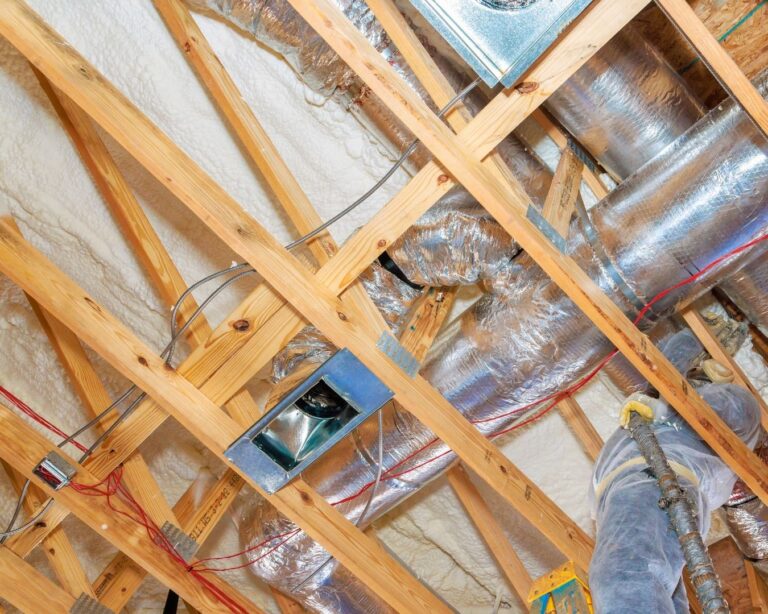 Insulation & EnvelopeLeaky Ducts: How They Pull Attic Air and Dust Into Your HomeThe return side of your duct system runs under suction, so any leak in a return duct, filter grille or air handler cabinet in…
 Insulation & EnvelopeWhere Your Home Leaks Air: Central Texas Air Sealing PrioritiesIn most Central Texas homes, the biggest air leaks aren't windows and doors but hidden openings in the attic and ductwork. Sealing between the…
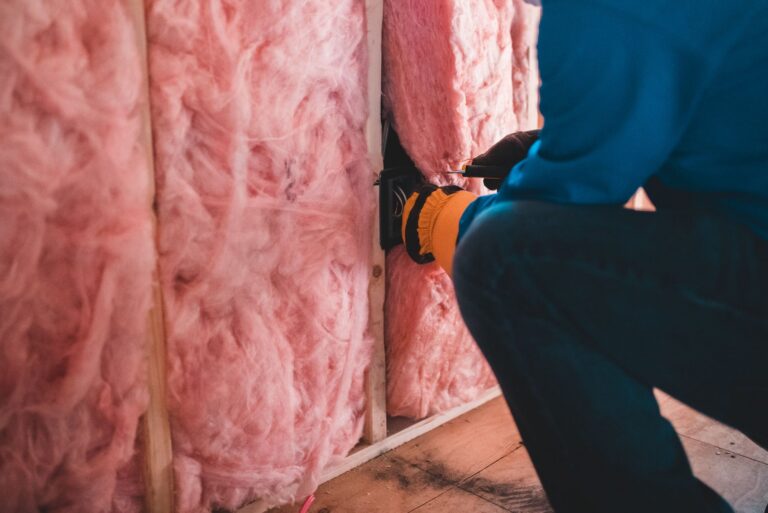 Insulation & EnvelopeWhat R-Value Attic Insulation Do You Need in Austin?R-value measures how well insulation resists heat flow: the higher the number, the better it insulates. In Austin, the current building code minimum for…