
 HVAC Systems
 Heating
 Ductwork & Air Flow
 Ventilation
 Filtration
 Dehumidification
 Maintenance
 Mold
Mold Remediation & Restoration
 Pure Maintenance
 Your Home
 Building Science
 Insulation & Envelope
 Health & Safety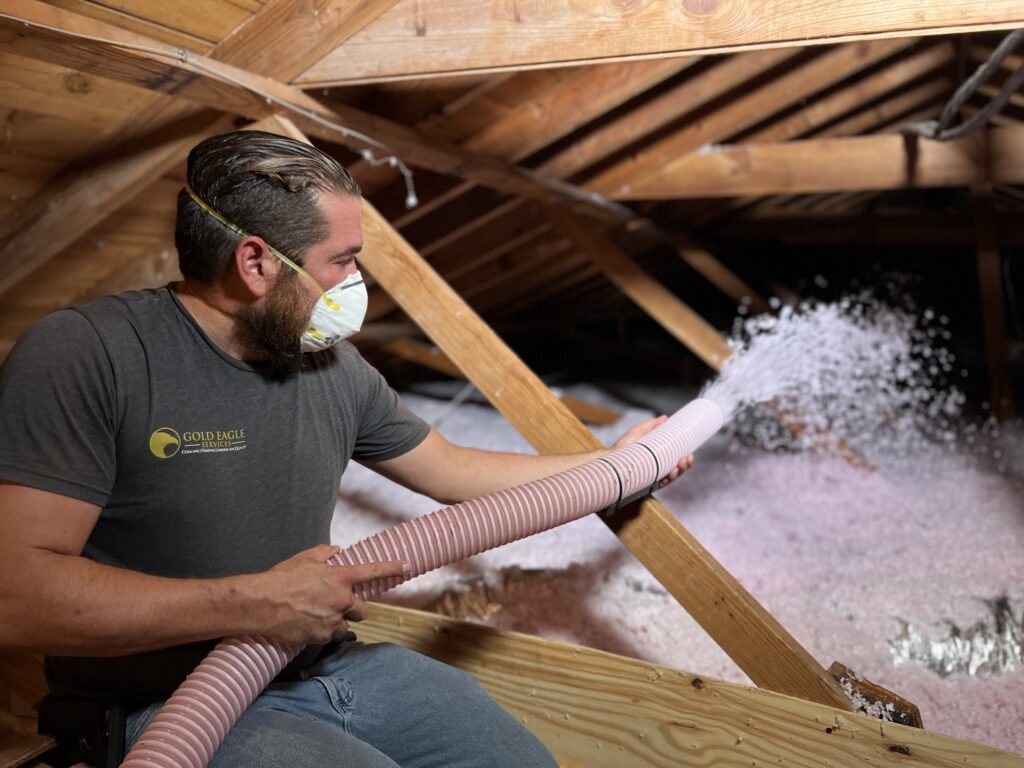
Quick answer: Good insulation slows the heat moving into your home in summer and out of it in winter, so your HVAC system runs less, uses less energy and wears more slowly. Poor insulation makes it run longer and harder, which raises energy bills, leaves hot and cold rooms, and can shorten the equipment’s life.
In this guide
How does insulation affect your HVAC system?
Insulation decides how much work your HVAC system has to do. It slows the flow of heat through your ceiling and walls, so it sets how fast your house warms up on a summer afternoon and cools off on a winter night. Think of it as your house’s clothing: with a good layer on, your AC and heater aren’t fighting the weather all day.
In Austin, the attic matters most. On an August afternoon the roof bakes, the attic can pass 130°F, and the insulation on your attic floor is the main thing standing between that heat and your living room. Get it right and the system runs efficiently, costs less and lasts longer. Skimp, and it struggles every summer.
How does good insulation help your HVAC system?
Good insulation lets the system work less for the same comfort. Here’s what that looks like:
- Lower energy use: Insulation slows how fast your home gains heat in summer and loses it in winter. When the sun is cooking the roof, less of that heat reaches the living space, so your AC runs shorter and less often to hold the thermostat setting. You see the difference on your electric bill.
- Less wear and tear: A system that isn’t making up for heat pouring through the ceiling runs fewer hours. Fewer hours means less wear on motors, compressors and electrical parts, which helps the equipment last.
- More even temperatures: Good insulation evens out temperatures from room to room and floor to floor. The bonus room over the garage is the classic trouble spot, and better insulation is often part of the fix, so the system doesn’t have to blast air at one stubborn room.
- Smaller equipment needs: This matters most for new construction and system replacements. A well-insulated home has a lower heating and cooling “load” (the amount of heat the system must add or remove), which often means a smaller system can keep it comfortable. The right size comes from a proper load calculation, not a guess or the size of the old unit.
- Less strain on extreme days: Insulation buffers your home from 100-degree afternoons and hard freezes like February 2021. Without it, the system runs flat out during the exact stretches when it’s most likely to be pushed past its limits, and when every HVAC company in town is busiest.
How does poor insulation hurt your HVAC system?
Poor insulation makes the system run longer and harder, and that has a cost. If your insulation is thin, missing, compressed or just old, expect some of these:
- Higher energy bills: Without enough insulation, your home soaks up heat in summer and loses it in winter. The system runs longer and more often to keep up, and your energy use climbs with it.
- Shorter equipment life: A system that’s always running wears faster. More hours under strain means parts fail sooner, repairs come more often, and replacement can arrive years earlier than it should.
- Uneven heating and cooling: Poor insulation leaves some rooms too hot or too cold while others feel fine. No amount of extra airflow fully fixes a room that gains heat faster than the AC can remove it.
- Bigger equipment than you’d otherwise need: Poorly insulated homes often require larger systems to meet the load. Bigger equipment costs more to install, and oversizing isn’t a free fix: a system larger than the home needs tends to run short cycles, which wastes energy and pulls less humidity out of the air.
- Condensation and mold: Poor insulation, especially in attics and crawlspaces, can let condensation form on HVAC ducts and other surfaces. A cold supply duct in a humid attic sweats like a glass of iced tea on the porch. That moisture can feed mold, damage HVAC components and send mold spores into the air you breathe indoors.
Is better insulation worth it for your HVAC system?
For most Central Texas homes, yes. Your insulation directly shapes your HVAC system’s efficiency, performance and lifespan, because it keeps the air you paid to heat or cool inside your living space. Get it right and you can expect lower energy bills, equipment that isn’t worked to death, and a more comfortable house all year.
Wondering whether an insulation upgrade would help your system? Gold Eagle Services installs attic insulation and can look at your attic and HVAC equipment together, then suggest the approach that makes the most sense for your home. Schedule a visit online or call 512-489-4653.
What should you do next?
- Check the attic on a cool morning, stepping only on the joists, for insulation that’s thin, missing or compressed.
- Note which rooms run hotter or colder than the rest of the house.
- If you’re replacing your system, ask for a load calculation instead of matching the old unit’s size.
- Book a Gold Eagle visit to talk through the insulation approach that fits your home.
Related guides: Why Insulation Is Key to a Cleaner, Drier Home in Central Texas, The Best Insulation for IAQ: Hemp Insulation, A Fresh Take on Sustainable Building for Your Home and The Role of Insulation in Energy Efficiency.
About Gold Eagle Services: This guide comes from the team at Gold Eagle Services, a family-run Austin HVAC, indoor air quality and mold remediation company founded in 2017. We’re licensed (TACLA119235 and RCO1783), insured and bonded, and we serve homes across the greater Austin area.
Need help with this in your home? Learn about our indoor air quality solutions, or call 512-489-4653 to schedule a visit.
Related Gold Eagle service: Attic insulation
More in Insulation & Envelope
All 21 guides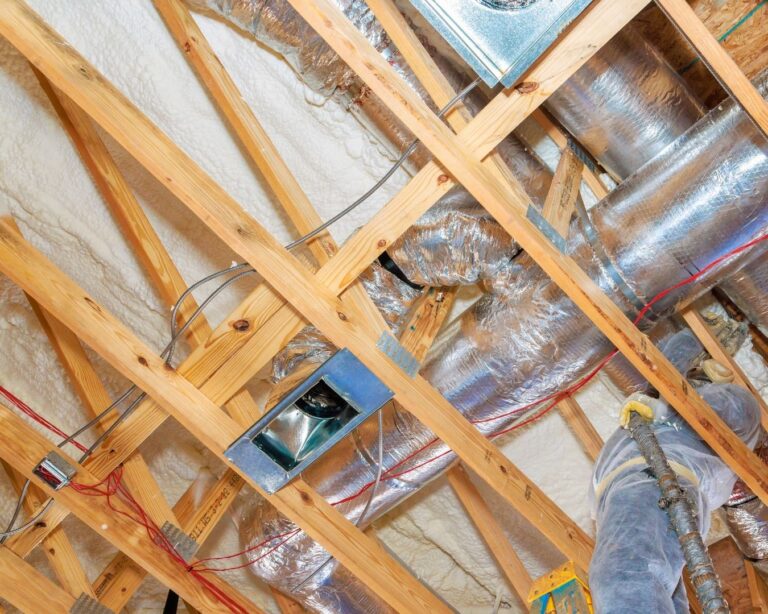 Insulation & EnvelopeLeaky Ducts: How They Pull Attic Air and Dust Into Your HomeThe return side of your duct system runs under suction, so any leak in a return duct, filter grille or air handler cabinet in…
 Insulation & EnvelopeWhere Your Home Leaks Air: Central Texas Air Sealing PrioritiesIn most Central Texas homes, the biggest air leaks aren't windows and doors but hidden openings in the attic and ductwork. Sealing between the…
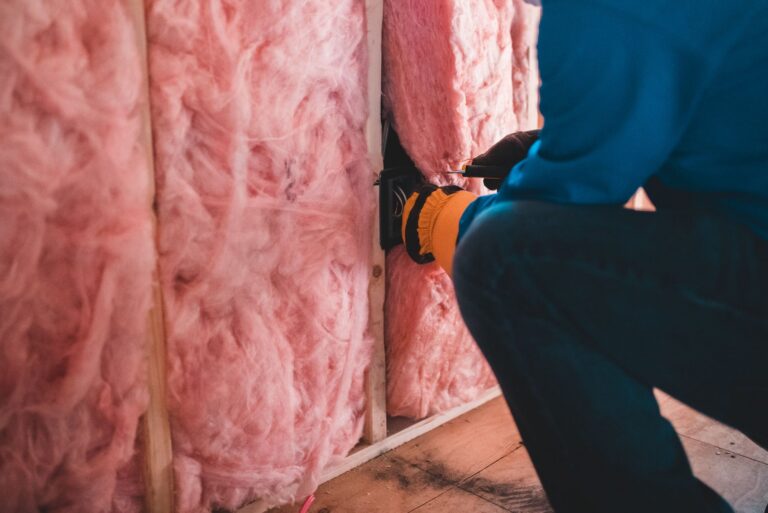 Insulation & EnvelopeWhat R-Value Attic Insulation Do You Need in Austin?R-value measures how well insulation resists heat flow: the higher the number, the better it insulates. In Austin, the current building code minimum for…