
 HVAC Systems
 Heating
 Ductwork & Air Flow
 Ventilation
 Filtration
 Dehumidification
 Maintenance
 Mold
Mold Remediation & Restoration
 Pure Maintenance
 Your Home
 Building Science
 Insulation & Envelope
 Health & Safety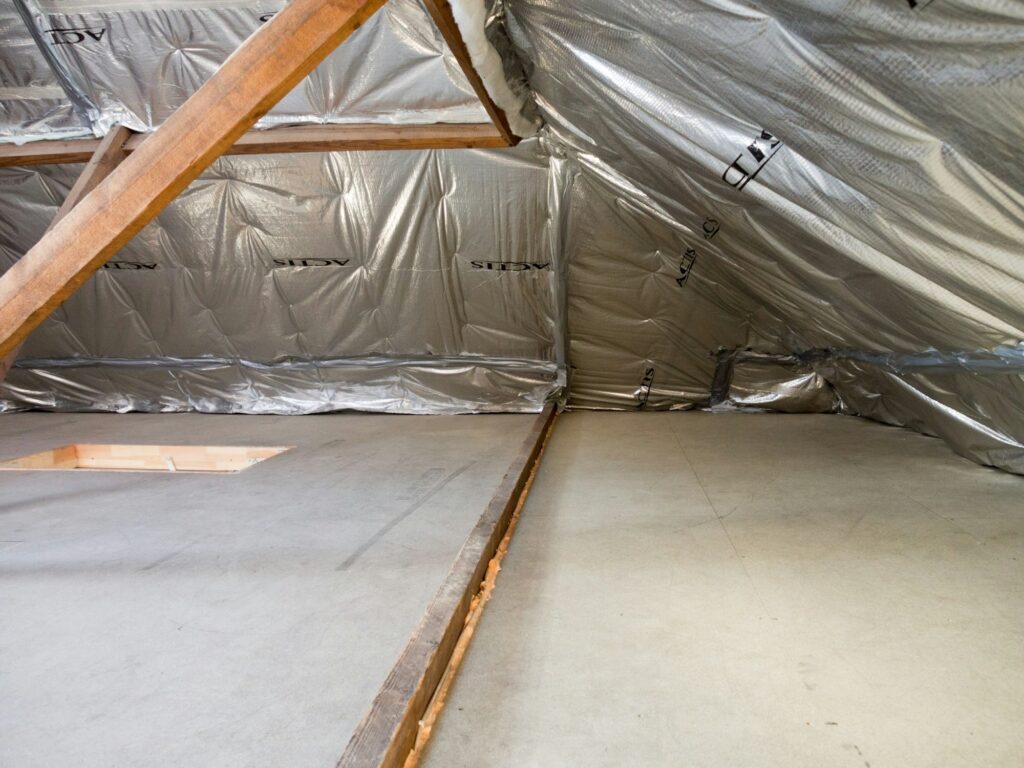
Quick answer: Insulation slows heat flow into and out of your home, so your AC and heating don’t have to run as much. In Central Texas, attic insulation matters most because it blocks summer heat from a hot attic. Pairing insulation with air sealing gives the best results.
In this guide
Insulation is one of the quiet workhorses of an efficient home. It cuts the energy it takes to keep you comfortable, which can lower utility bills and make rooms feel better. Knowing how it works helps you spend your money in the right place.
How does insulation affect energy efficiency?
Insulation slows heat moving through your ceilings, walls and floors, so your HVAC system runs less. Think of it as a thermal barrier between the inside of your home and the weather, keeping the house cooler in summer and warmer in winter.
In an under-insulated home, the system runs longer and more often to hold a comfortable temperature, which wastes energy and raises bills. In Austin, where an August attic can pass 130°F, the attic is usually where insulation makes the biggest difference.
What are the benefits of proper insulation?
Proper insulation means less heat moving the wrong way, a lighter load on your equipment and smaller bills:
- Less heat gain and loss: In summer, insulation slows heat getting into your living space. On cold winter nights, it helps keep warm air inside.
- Better HVAC efficiency: Good insulation lightens the load on your heating, ventilation and air conditioning (HVAC) system, which cuts energy use and can reduce wear on the equipment.
- Lower utility bills: Homes with enough insulation need less energy to cool and heat. ENERGY STAR estimates that homeowners can save an average of about 15% on heating and cooling costs by sealing air leaks and adding insulation in attics and other accessible areas. Actual savings depend on your home and how much insulation you start with.
What R-value should your insulation have?
In Austin attics, aim for at least R-49, the current code minimum; we recommend R-49 to R-60. R-value measures how well insulation resists heat flow, and the higher the number, the better it insulates. The right R-value depends on your climate and which part of the home you’re insulating, and attics need a higher one than walls.
Pick materials that hold their thermal resistance over time, and make sure they go in at the right depth. For example, Owens Corning designs its ProCat® blown-in fiberglass to resist settling, and it’s backed by a manufacturer warranty. Ask us for the details.
Which types of insulation are most energy-efficient?
All three common types work well when they’re installed right; they just get there differently:
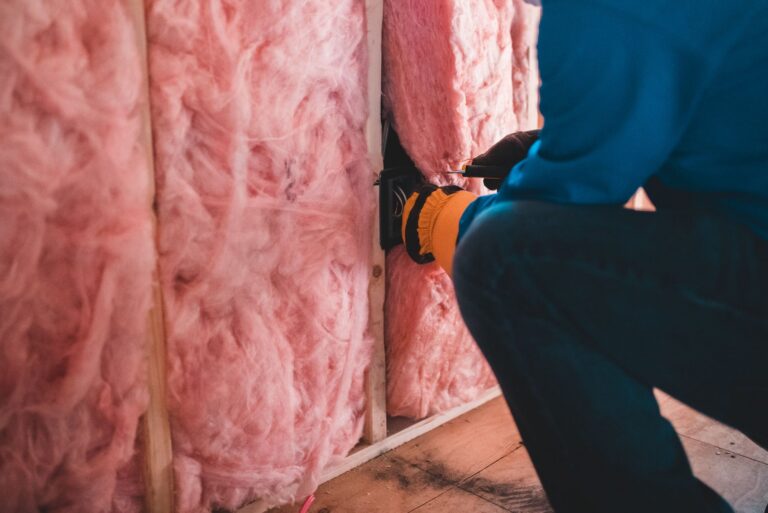
- Fiberglass insulation: Fiberglass doesn’t absorb much moisture and, installed to the right depth, holds its R-value well. It’s a cost-effective choice with a long track record.
- Spray foam insulation: Spray foam seals air leaks as well as insulating. It usually costs more up front and works best with an HVAC design that manages humidity in a tighter home.
- Cellulose insulation: Cellulose, made largely from recycled paper, is a popular choice for attics and walls. It settles somewhat after installation, so installers blow in extra depth to allow for it, and like any insulation it should stay dry.
The right material for your home, installed well, beats the “best” material installed badly.
Why do air leaks matter as much as insulation?
Air moving through gaps carries heat right past your insulation. Poorly sealed doors, windows and attic openings let cooled air escape and hot, humid outdoor air in. Insulation without air sealing is like wearing a thick sweater with the zipper open.
Sealing leaks around the attic (light fixtures, the attic hatch, plumbing and wiring holes) and in the crawl space of a pier-and-beam home makes insulation work better. Leaky ductwork in the attic is another common energy drain in Austin homes, so check it at the same time.
Gold Eagle adds attic insulation and seals leaky attic ductwork, so both jobs can be planned in one visit.
What should you do next?
- Look in the attic and check how deep the insulation is. Aim for at least R-49.
- Check the attic hatch, light fixtures and pipe openings for gaps.
- Note any rooms that stay hot on summer afternoons.
- Book a visit or call 512-489-4653 so Gold Eagle can look at insulation, ductwork and your HVAC system together.
Related guides: How Insulation Impacts Your HVAC System: Boost Efficiency or Cause Harm?, Choosing the Right Insulation Level for Your Climate (R-Value) and How Insulation Helps Control Noise in Your Home.
About Gold Eagle Services: This guide comes from the team at Gold Eagle Services, a family-run Austin HVAC, indoor air quality and mold remediation company founded in 2017. We’re licensed (TACLA119235 and RCO1783), insured and bonded, and we serve homes across the greater Austin area.
Need help with this in your home? Learn about our HVAC and home performance services, or call 512-489-4653 to schedule a visit.
Related Gold Eagle service: Attic insulation
More in Insulation & Envelope
All 21 guides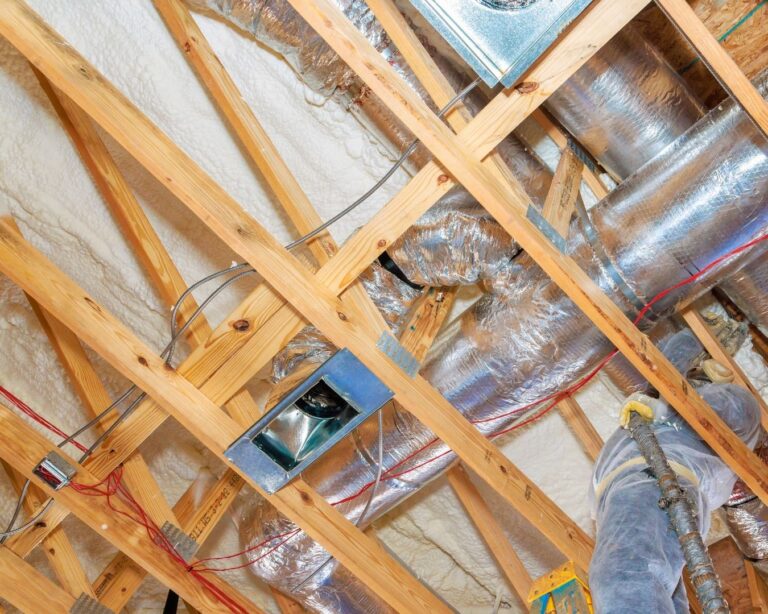 Insulation & EnvelopeLeaky Ducts: How They Pull Attic Air and Dust Into Your HomeThe return side of your duct system runs under suction, so any leak in a return duct, filter grille or air handler cabinet in…
 Insulation & EnvelopeWhere Your Home Leaks Air: Central Texas Air Sealing PrioritiesIn most Central Texas homes, the biggest air leaks aren't windows and doors but hidden openings in the attic and ductwork. Sealing between the…
 Insulation & EnvelopeWhat R-Value Attic Insulation Do You Need in Austin?R-value measures how well insulation resists heat flow: the higher the number, the better it insulates. In Austin, the current building code minimum for…