
 HVAC Systems
 Heating
 Ductwork & Air Flow
 Ventilation
 Filtration
 Dehumidification
 Maintenance
 Mold
 Remediation & Restoration
 Your Home
 Building Science
 Insulation & Envelope
 Health & Safety
 Case Study
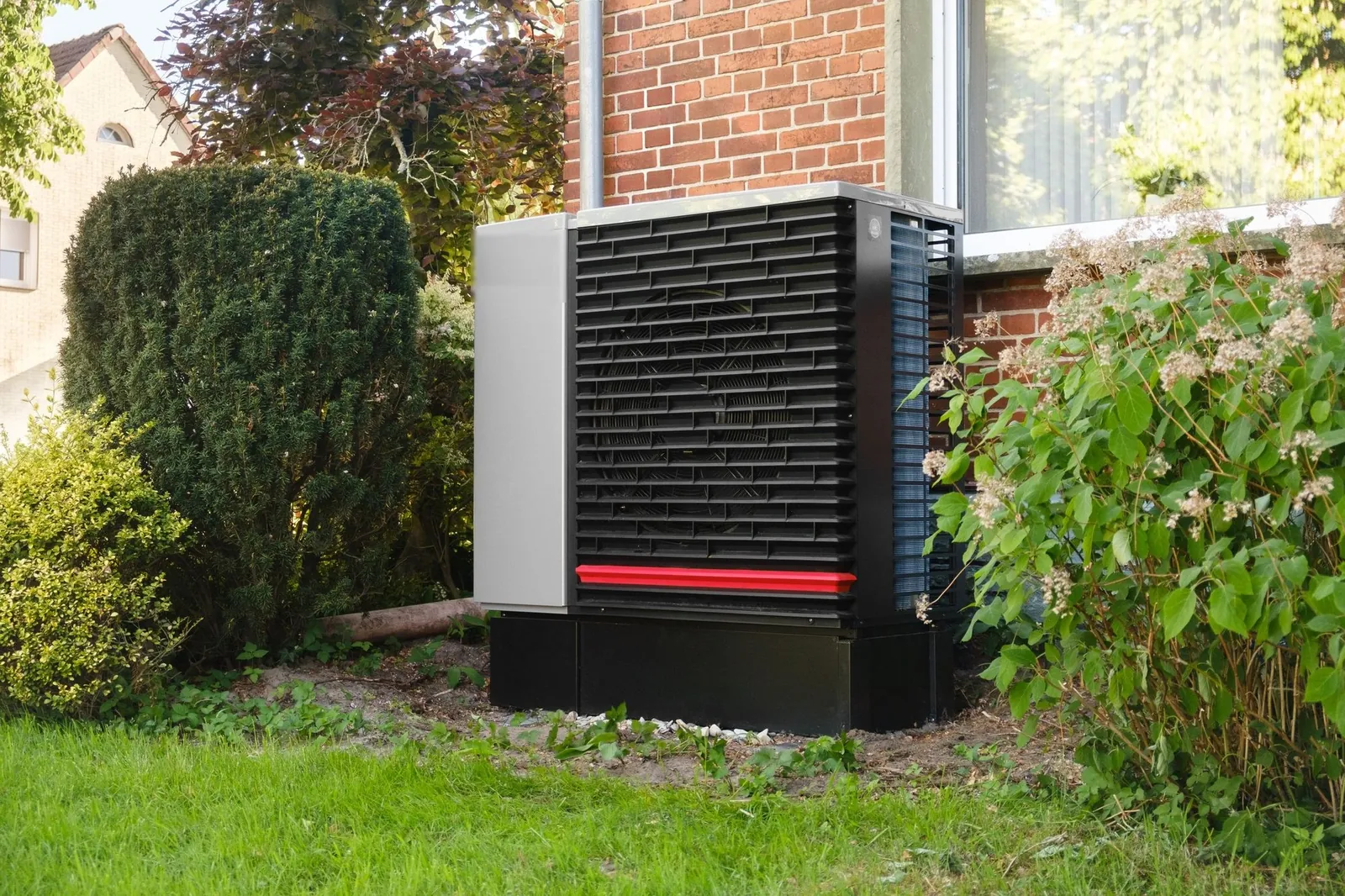
Quick answer: Yes, a well-sized variable-speed heat pump handles a typical Central Texas cold snap, because its compressor speeds up as it gets colder. Every heat pump still loses capacity as temperatures drop, so for a hard freeze like February 2021 you still want backup heat strips or a furnace.
In this guide
- What makes a variable-speed heat pump different?
- Why does a heat pump lose heating power in the cold?
- What happens during a typical Central Texas cold snap?
- What about a hard freeze like February 2021?
- Does installation affect how a heat pump handles the cold?
- Should you choose a variable-speed heat pump for Texas winters?
- What should you do next?
What makes a variable-speed heat pump different?
Its compressor can run at many speeds instead of just on or off. A single-speed heat pump runs at one output and cycles on and off to keep up. A variable-speed, or inverter, heat pump uses electronics to speed the compressor up or slow it down, so it can match what the house needs minute by minute.
Most of the year that means long, quiet, low-speed runs. When it turns cold, the same system speeds up well past its everyday output, and that headroom is what carries it through a cold snap.
Why does a heat pump lose heating power in the cold?
Because it moves heat instead of making it. A heat pump pulls heat from outdoor air into your home, and there’s less heat to grab as the air gets colder. At the same time, your house loses heat faster. So capacity goes down just as demand goes up.
At some outdoor temperature, called the balance point, the heat pump alone can no longer keep up and backup heat has to help. Our balance point guide explains how that’s figured.
A single-speed heat pump has nothing extra to give once it’s running all the time. A variable-speed unit can speed its compressor up, which pushes its balance point lower. Cold-climate models are also tested and rated at 5°F, colder than almost any Central Texas night.
What happens during a typical Central Texas cold snap?
For a night or two in the 20s, a good variable-speed heat pump mostly carries the house on its own. Here’s what’s normal:
- Long run times. It may run nearly nonstop on the coldest nights. That’s by design, not a sign of trouble. Why a heat pump runs nonstop below freezing covers it.
- Defrost cycles. Every so often, the outdoor unit switches into defrost to melt frost off its coil. You may see steam and hear a whoosh. The heat strips often come on briefly during defrost so you don’t feel cool air.
- Warm but not hot air. Heat pump air feels cooler at the vent than furnace air, even when it’s working perfectly.
- Occasional aux heat. On a cold morning, after the thermostat was turned down overnight, it may bring in the heat strips (backup electric heaters) for a while.
What about a hard freeze like February 2021?
That’s where backup heat earns its keep. During the February 2021 freeze, Central Texas saw single-digit temperatures and days below freezing. A variable-speed heat pump keeps making heat in that weather, but alone it may fall short in a leaky house on the coldest night, and defrost cycles come more often.
For that reason, most heat pump systems here still have electric heat strips in the air handler, and dual fuel systems use a gas furnace instead. Those carry the house when the heat pump can’t. Aux heat vs. emergency heat explains what your thermostat is doing when they kick in.
The bigger problem in 2021 was the power grid, not the heat pump. Every electric heating system, and every modern gas furnace with its blower and controls, needs electricity. No heat pump fixes a power outage.
Does installation affect how a heat pump handles the cold?
Yes, a lot. A variable-speed heat pump only handles cold snaps well if it’s installed right:
- Correct sizing. A load calculation sets how much capacity the house needs on our design cold night, not just what matched the old unit.
- Good ductwork. Leaky or crushed attic ducts can waste heat before it reaches the rooms, and that matters most when every bit counts.
- Thermostat setup. Heat strips should be staged so they help only when needed instead of running every time the thermostat bumps up a degree.
- Outdoor unit placement. The unit needs clearance, a raised pad and a clear path for defrost water to drain, so ice doesn’t build up underneath.
Should you choose a variable-speed heat pump for Texas winters?
If you’re replacing a system anyway, it’s a strong option. Variable-speed heat pumps run quieter and more evenly in summer, and they cover most Central Texas cold weather without leaning much on heat strips. They cost more than single-speed units, and they deliver only with a good installation.
For homes with gas already, a dual fuel system is another good choice for cold snaps. Gold Eagle’s technicians size and install variable-speed heat pumps and dual fuel systems across the Austin area. To see what a variable-speed heat pump or dual fuel system would cost for your home, use Build Your System.
What should you do next?
- Ask how your thermostat stages the heat strips, so aux heat comes on only when needed.
- Keep the outdoor unit clear so defrost water can drain away before a freeze.
- Book a heat pump tune-up before winter so the system is checked before a cold snap.
- If you’re replacing a system, see what a variable-speed heat pump or dual fuel system would cost in Build Your System (linked above).
Related guides: Can a Heat Pump Keep Up With a Texas Freeze?, What Is a Heat Pump’s Balance Point, and Why Does It Matter in Central Texas? and What Should You Do With Your Heat Pump During and After a Texas Freeze?.
About Gold Eagle Services: This guide comes from the team at Gold Eagle Services, a family-run Austin HVAC, indoor air quality and mold remediation company founded in 2017. We’re licensed (TACLA119235 and RCO1783), insured and bonded, and we serve homes across the greater Austin area.
Need help with this in your home? Learn about our heat pump installation and repair, or call 512-489-4653 to schedule a visit.
Related Gold Eagle service: Heating service
More in Heating
All 70 guides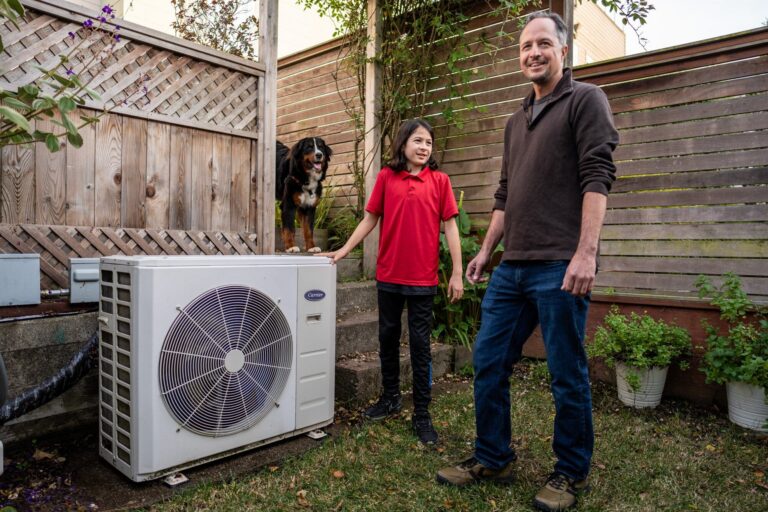 HeatingWhat’s Wrong With My Heat Pump? A Symptom-by-Symptom GuideMany heat pump "problems" are normal: light frost in cold weather, a cloud of steam during defrost, long run times on cold nights. Real…
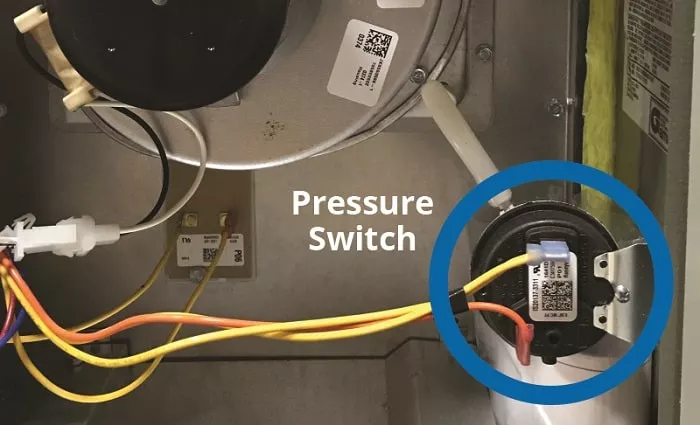 HeatingWhat Is a Furnace Pressure Switch, and Why Won’t the Furnace Start?A pressure switch proves the furnace's exhaust is venting safely before the burners can light. If the small inducer motor runs but the burners…
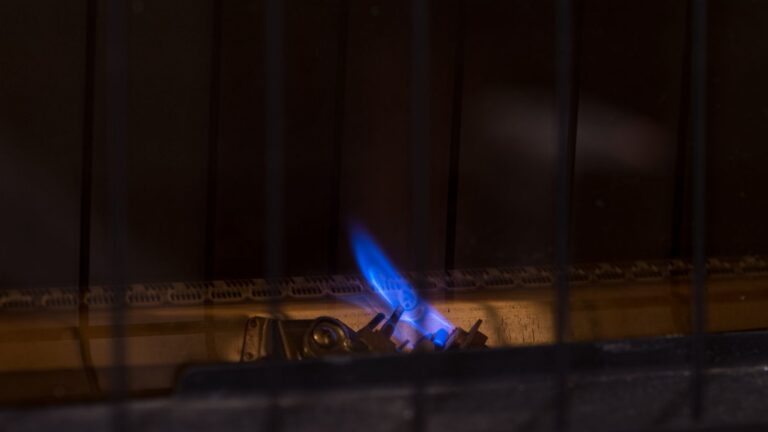 HeatingWhat Is a Furnace Limit Switch, and Why Does It Shut Off the Heat?A limit switch is a heat sensor that shuts off a furnace's burners if the furnace gets too hot. It usually trips because airflow…