
 HVAC Systems
 Heating
 Ductwork & Air Flow
 Ventilation
 Filtration
 Dehumidification
 Maintenance
 Mold
 Remediation & Restoration
 Pure Maintenance
 Your Home
 Building Science
 Insulation & Envelope
 Health & Safety
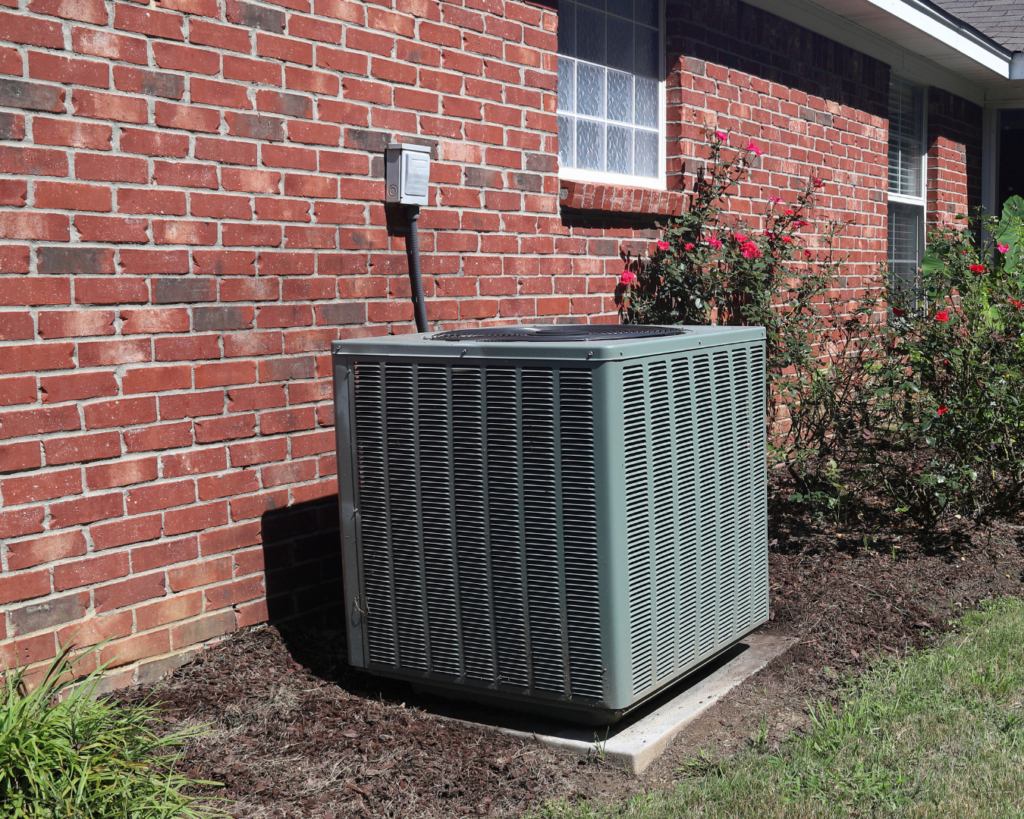
Quick answer: During a Texas freeze, leave a heat pump running in normal Heat mode, uncovered, and let its defrost cycle handle frost. If the power goes out, switch the thermostat to Off until power is steady. After the storm, check the outdoor unit for limbs, ice from the roof and a shifted pad before you rely on it again.
In this guide
Should I turn off my heat pump during a freeze?
No. Outdoor units are built to run in freezing weather, and shutting one off during a freeze only buys you a cold house and a better chance of frozen pipes. Leave the thermostat on Heat at a steady temperature. If your outdoor unit is an AC paired with a gas furnace, it doesn’t run in winter anyway, so there’s nothing to do.
Skip the tarp, too. Wrapping a heat pump smothers the air it needs. Should you cover your outdoor AC unit in winter? explains why.
What should I do about ice on my heat pump?
Mostly, let the unit handle it. Frost on the coil (the metal fins around the unit) is normal, and the defrost cycle, a built-in few-minute warm-up, melts it off every so often, sometimes with a puff of steam. Freezing rain can glaze the cabinet in a way that looks alarming but usually clears on its own.
Don’t chip ice or pour hot water on the coil. The fins bend if you look at them wrong.
If the unit stays encased in ice for hours, or the ice keeps building, switch the thermostat to emergency heat (backup heat only, so the outdoor unit rests) and call for service. Water dripping off a roof edge onto the unit is a common cause, so note where the ice is coming from.
What should I do with my heat pump if the power goes out?
Set the thermostat to Off. When power returns, every heat pump and heat strip on the street tries to start at once, and that surge adds strain just as the grid is recovering. Off also protects your system from power that flickers on and off, as it did across Austin during the 2021 rolling outages.
Once power has held steady for a while, set the thermostat back to Heat and give the system several minutes; many heat pumps wait a few minutes before the compressor (the pump in the outdoor unit) restarts. Restarting your system after an outage has the full sequence.
If you run a generator, the CPSC’s advice is to keep it outside only, at least 20 feet from the house, with the exhaust pointed away from doors and windows.
What should I check on my heat pump after an ice storm?
Five things, once the ground is safe to walk and the steps aren’t glazed:
- Limbs or debris on top of the unit or leaning against it. Ice storms, like the one that brought down limbs across Austin in February 2023, do more damage to outdoor units than cold does.
- Crushed or bent fins on the coil.
- Kinked or pulled refrigerant lines (the copper pipes running to the house), or torn foam insulation on them.
- A pad that has tilted or sunk.
- Ice or water around the disconnect box (the power box, usually gray, on the wall next to the unit).
If you find damage, turn the unit off at the breaker, or at the outdoor disconnect if it’s dry, run emergency heat if you have heat strips, and call for service. With the power off, you can pull small twigs off the top grille by hand. Anything inside the cabinet is a technician’s job.
When should I call for heat pump repair right away?
When the outdoor unit grinds or bangs, won’t start after power has been steady, trips its breaker again after one reset, or stays iced over. Those problems rarely fix themselves, and a heat pump leaning on its heat strips for days runs up the electric bill. Gold Eagle’s technicians repair heat pumps across the Austin area, including outdoor units damaged in ice storms.
What should I do next?
- Leave the heat pump uncovered and on Heat at a steady temperature through a freeze.
- Switch the thermostat to Off in an outage, and wait until power has been steady for a while.
- Check the outdoor unit after the storm for limbs, bent fins, torn line insulation and a tilted pad.
- Switch to emergency heat and book a service visit if it stays iced over or won’t start.
Related guides: Can a Heat Pump Keep Up With a Texas Freeze?, Should You Cover Your Outdoor AC Unit in Winter? and How Do You Restart Your AC After a Power Outage?
About Gold Eagle Services: This guide comes from the team at Gold Eagle Services, a family-run Austin HVAC, indoor air quality and mold remediation company founded in 2017. We’re licensed (TACLA119235 and RCO1783), insured and bonded, and we serve homes across the greater Austin area.
Need help with this in your home? Learn about our heat pump repair and installation, or call 512-489-4653 to schedule a visit.
Related Gold Eagle service: Heating service
More in Maintenance
All 16 guides MaintenanceWhy Is There Water Around My Furnace in Winter?Water around a furnace in winter usually comes from a high-efficiency furnace, which makes water (condensate) and drains it through a trap and line…
 MaintenanceWhy Do Your Ducts Pop or Bang When the Heat Comes On?Ducts that pop or tick when the heat comes on are usually metal parts warming up: the furnace cabinet and heat exchanger, the metal…
 MaintenancePre-Winter HVAC Checklist for Central Texas HomesIn Austin, get your heater ready in early to mid October: change the filter, test-run the heat, clear the outdoor unit, test smoke and…