
 HVAC Systems
 Heating
 Ductwork & Air Flow
 Ventilation
 Filtration
 Dehumidification
 Maintenance
 Mold
Mold Remediation & Restoration
 Pure Maintenance
 Your Home
 Building Science
 Insulation & Envelope
 Health & Safety
Quick answer: If an Austin home inspection finds mold, find the cause and extent first, often with an independent licensed mold assessor. Larger growth needs licensed remediation under Texas rules, with paperwork sellers pass on to buyers. Dry fog isn’t a mold treatment; some sellers add one for odors afterward.
In this guide
- Why does mold come up so often in Austin home sales?
- What should you do if the inspection finds mold?
- What mold paperwork matters in a Texas home sale?
- Where does a dry fog treatment fit before closing?
- What should sellers do before listing?
- What should buyers ask about mold?
- Frequently asked questions
- What should you do next?
Why does mold come up so often in Austin home sales?
Because our climate gives mold a head start. Central Texas has long, humid cooling seasons, and most homes keep the air handler and ductwork in an attic that bakes all summer. Put cold ducts and a cold coil in that heat and humidity and you get sweating ducts, condensation around the indoor coil, clogged drain lines and indoor humidity that creeps up.
Home inspectors see the results and write them down: musty odors, ceiling stains near supply registers, discolored vents, water around the HVAC equipment. Homes that sat empty during a listing with the AC off or set high are another common source. A closed-up house in an Austin summer doesn’t stay dry on its own.
What should you do if the inspection finds mold?
Don’t panic, and don’t guess. An inspection note is a starting point, not a verdict. Work in this order:
- Find the moisture source. Mold is the symptom; water is the cause. It might be an HVAC drain problem, a roof or plumbing leak, or humidity the AC isn’t keeping under control.
- Size the problem. How much visible growth is there, and on what materials? TDLR says areas of visible mold of 25 contiguous square feet or more generally fall under the state’s licensing rules, with some exemptions.
- Bring in an assessor. An independent licensed mold assessor can test, document the problem and write a remediation protocol (the written cleanup plan). In Texas, the assessor can’t also be the remediation company on the same project.
- Decide on the approach. Depending on what’s found, the plan may involve repairs, licensed remediation or both. Mold in the AC system or ductwork is HVAC mold, which Gold Eagle handles; mold in walls or the attic goes to a general mold remediation company. Our article on dry fog treatment vs. mold remediation explains why a dry fog treatment isn’t a substitute.
What mold paperwork matters in a Texas home sale?
The certificate of mold remediation is the big one. After a licensed company completes regulated remediation, the property owner must receive that certificate within 10 days. It includes a statement from the licensed mold assessor that the mold identified for the project has been remediated as the protocol laid out.
If the owner later sells, Texas Occupations Code Section 1958.154 requires the seller to give the buyer a copy of each certificate issued for the property during the five years before the sale.
For any mold-related work, regulated or not, hang on to:
- The inspection report and any mold assessment
- Lab results from the independent assessor, if testing was done
- Invoices describing the repairs and treatment
- Any certificate of mold remediation
- Records of HVAC repairs, such as drain line or duct work
A tidy folder answers most of a buyer’s questions before they ask. For what goes on your seller’s disclosure and how repairs fit into your contract, talk to your real estate agent or a real estate attorney. We can explain the work; we can’t give legal advice.
Where does a dry fog treatment fit before closing?
After the mold question is settled. Timing is usually the biggest pressure in a sale, and remediation can involve containment, removing materials and rebuilding, which can take days or longer. A dry fog treatment is done in one day, with the home empty for 2 to 4 hours afterward.
It’s an indoor air quality treatment for odors and stale air, not a mold treatment. It makes sense after required remediation is complete and cleared, or when an inspection flagged a musty smell but no growth. It doesn’t replace licensed remediation, and it won’t fix a leak or a failing AC drain.
If the assessment needs testing, build in time for lab turnaround with the independent assessor. The option period doesn’t pause while samples are in the mail.
What should sellers do before listing?
Deal with moisture before you list. It’s easier than negotiating over it later. Before the sign goes in the yard:
- Have the HVAC system serviced, including the coil, drain pan and condensate drain line
- Check attic ductwork for sweating or disconnected sections
- Look under sinks and around water heaters, dishwashers and refrigerator lines
- Keep the AC running and humidity under control while the home is vacant or being shown
- Trace any stains or odors to their cause instead of painting over them
Our guide to warning signs of mold in your HVAC system makes a handy checklist.
What should buyers ask about mold?
Ask for the story and the proof. Good questions:
- What caused the problem, and has it been fixed?
- Was an independent licensed mold assessor involved, and is there a protocol or report?
- Are there lab results from an independent assessor?
- Is there a certificate of mold remediation, and are there any from the last five years?
- What was done to the HVAC system?
Frequently asked questions
Is dry fogging accepted as mold remediation in Texas?
No. A dry fog treatment is an indoor air quality treatment, not mold remediation. When there’s mold, the Texas rules decide what’s required: a licensed assessment, a written protocol and licensed remediation.
Can the seller’s contractor also do the testing afterward?
For regulated projects, no. TDLR doesn’t allow the same licensed company to do both the assessment and the remediation on the same project. Many buyers prefer independent testing either way.
How long do lab results take?
It depends on the lab and how the samples ship. Ask the independent assessor when you schedule so you can plan around your option period or closing date.
Should I treat a house before listing it?
Only if there’s a reason to. Start with a check of the HVAC system and any suspect areas. A dry fog treatment makes sense for a musty odor or stale air once the cause has been fixed and any mold work is finished.
What should you do next?
- Find the moisture source behind any mold note before you negotiate over it.
- Size the problem honestly and follow the Texas rules when they apply: independent licensed mold assessor, written protocol, licensed remediation.
- Keep a folder of reports, invoices and any certificate of mold remediation for the buyer.
- Mold in walls or the attic goes to a general mold remediation company. Mold in your AC system or ductwork? Call Gold Eagle Services, a licensed Texas mold remediation company that handles HVAC mold, at 512-489-4653.
Related guides: How Long Do Dry Fog Treatment Results Last?, Dry Fog Treatment vs. Mold Remediation: What’s the Difference? and Mold Prevention for Rentals and Short-Term Rentals in Central Texas.
About Gold Eagle Services: This guide comes from the team at Gold Eagle Services, a family-run Austin HVAC, indoor air quality and mold remediation company founded in 2017. We’re licensed (TACLA119235 and RCO1783), insured and bonded, and we serve homes across the greater Austin area.
Need help with this in your home? Pure Maintenance treatments in Central Texas are provided by our sister company, Pure Maintenance of Central Texas. Gold Eagle handles the HVAC and humidity side. Learn about our indoor air quality solutions, or call Pure Maintenance of Central Texas at 512-904-4646 or schedule a visit.
More in Indoor Air Quality (IAQ)
All 30 guides Indoor Air Quality (IAQ)Do Portable Air Purifiers Help During Austin Allergy Season?A portable HEPA purifier can lower the fine particles floating in one room, such as dust, pet dander and some pollen, if it's sized…
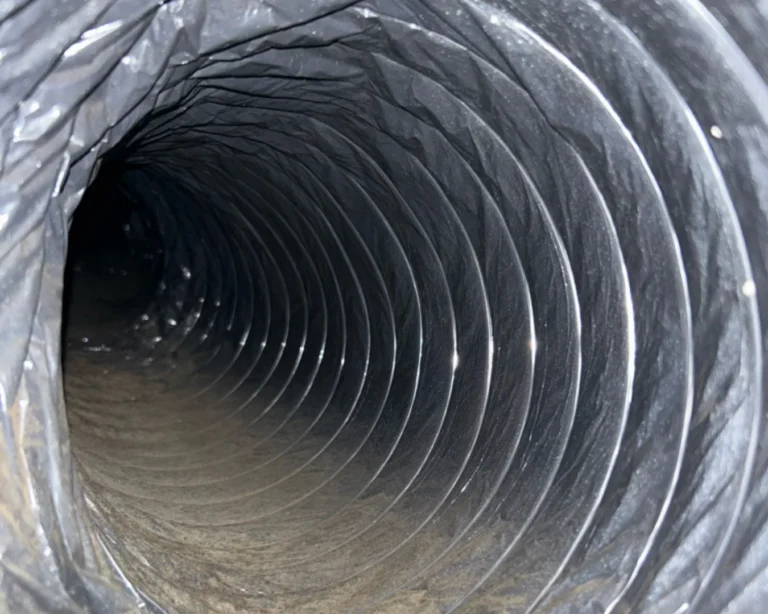 Indoor Air Quality (IAQ)Can a Dirty Air Conditioner Make You Sick?A dirty AC doesn't create germs on its own, but it can recirculate dust and, if the coil, drain pan or ducts stay wet,…
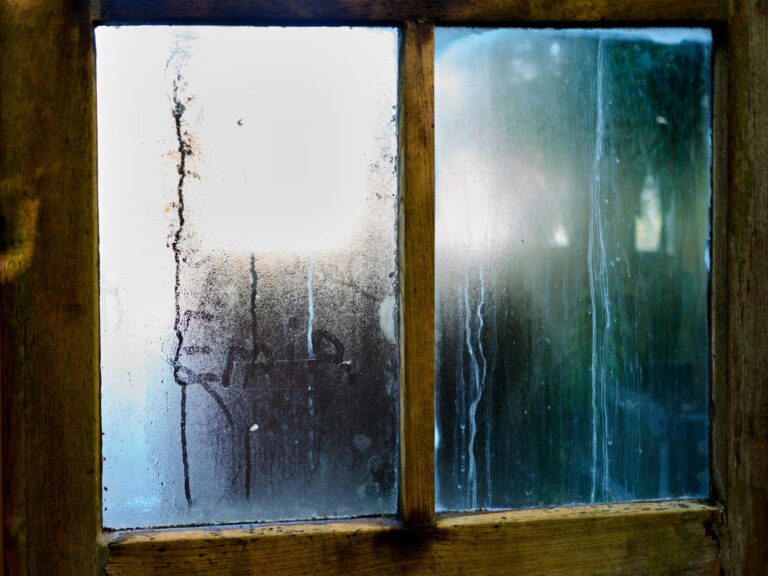 Indoor Air Quality (IAQ)Moisture From Below: Slab and Pier-and-Beam Homes in Central TexasGround moisture reaches Austin homes two ways: as vapor moving up through concrete slabs, and as humid outdoor air flowing through vented crawlspaces under…