
 HVAC Systems
 Heating
 Ductwork & Air Flow
 Ventilation
 Filtration
 Dehumidification
 Maintenance
 Mold
Mold Remediation & Restoration
 Pure Maintenance
 Your Home
 Building Science
 Insulation & Envelope
 Health & Safety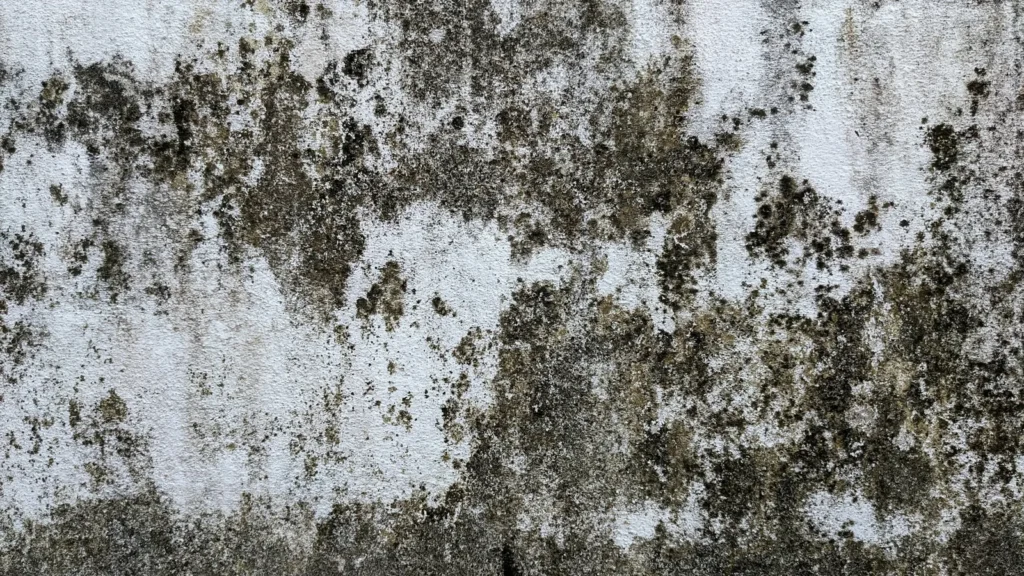
Quick answer: Mold remediation removes mold and damaged materials inside a contained work area, and in Texas it’s licensed work. A dry fog treatment, such as Pure Maintenance, is an indoor air quality treatment: a fine dry fog fills the home, then a surface protectant goes on. It doesn’t replace remediation.
In this guide
- What is traditional mold remediation?
- What is a dry fog treatment?
- How do dry fog treatment and mold remediation compare?
- What do Texas mold rules require?
- When does a dry fog treatment make sense?
- When is mold remediation needed?
- Can a dry fog treatment follow mold remediation?
- Frequently asked questions
- What should you do next?
What is traditional mold remediation?
It’s the physical removal of mold. Crews first set up containment, usually plastic sheeting plus fans that keep the work area under negative pressure, so spores and dust don’t drift into the rest of the house. Then they clean non-porous surfaces and cut out porous materials that can’t be cleaned well, such as moldy drywall, insulation or carpet pad. HEPA vacuuming, wiping and air filtration follow, and then damaged materials get replaced.
It’s the right approach whenever there’s actual growth on building materials, especially after a leak, a flood or a long-running moisture problem. The Texas Department of Licensing and Regulation (TDLR) notes that mold is hard to clean from porous materials like drywall and insulation, that those materials should generally be removed and discarded, and that spraying a chemical on moldy drywall or painting over mold is not an effective, permanent solution.
Paint hides mold. It doesn’t remove it.
What is a dry fog treatment?
A dry fog treatment spreads its solution through a home as extremely small droplets that stay suspended in the air long enough to reach every room, closet and crack, and the ductwork. The Pure Maintenance process has two steps: a dry fog of a hydrogen peroxide and peracetic acid solution, then a surface protectant. It helps control odor-causing microbes on hard, non-porous surfaces and temporarily reduces airborne particulates as the fog settles.
Pure Maintenance doesn’t perform or collect lab testing. If you want your air tested, or you’ve had a leak or visible growth, start with an independent state-licensed mold assessor. For a closer look at the chemistry and equipment, see our Pure Maintenance dry fog guide.
How do dry fog treatment and mold remediation compare?
Remediation removes; dry fogging treats the air and surfaces. Side by side:
- Goal: Remediation removes mold growth and damaged materials. A dry fog treatment is an air quality and odor service for the whole home.
- Demolition: Remediation often involves removing materials. A dry fog treatment doesn’t remove anything, which is why it can’t take the place of remediation.
- Time: Remediation of a single area can take days, plus rebuilding. A dry fog treatment is done in one day, and the home stays empty for 2 to 4 hours afterward.
- Coverage: Remediation focuses on the affected area inside containment. Dry fog is designed to reach the whole treated space, including hidden areas.
- Occupancy: With both, people and pets usually need to stay out of the work area. For dry fogging, Pure Maintenance says everyone must be out of the building during treatment.
- Moisture: Neither one fixes a roof leak, plumbing leak, sweating duct or high indoor humidity. You have to correct the moisture source either way.
What do Texas mold rules require?
In Texas, TDLR regulates mold assessment and remediation under the Texas Mold Assessment and Remediation Rules. Five points homeowners often ask about:
- Companies that assess or remediate mold for hire must be licensed, unless an exemption applies.
- TDLR says that in most cases, people who aren’t licensed can clean areas of visible mold smaller than 25 contiguous square feet, and there are certain exemptions for homeowners and for buildings with fewer than 10 rental units.
- A licensed company can’t perform both the mold assessment and the mold remediation on the same project, so the assessor who writes the plan is independent of the company doing the work.
- Licensed assessors and remediators must give clients TDLR’s Consumer Mold Information Sheet before work begins.
- After regulated remediation, the property owner receives a certificate of mold remediation. Texas law requires a seller to give buyers copies of any such certificates issued for the property in the previous five years.
The takeaway: a dry fog treatment is not mold remediation. When there’s mold, the project follows the rules: an independent licensed assessor, a written protocol and a licensed remediation company. Gold Eagle is licensed (RCO1783) and handles mold in the HVAC system. TDLR answers more questions on its own mold FAQ page.
When does a dry fog treatment make sense?
When the goal is a fresher home and there’s no mold growth to deal with, or the mold work is already finished. Three common cases:
- A musty odor throughout the house after the leak or humidity problem behind it has been fixed
- A fresh start after water damage or remediation work is finished and cleared, once materials have been dried, removed or replaced
- A home being readied for new occupants after a long vacancy or a stretch of high humidity
When is mold remediation needed?
Whenever there’s mold growth on building materials, when materials are wet, rotting or structurally damaged, or when the Texas mold rules apply to the project. Mold inside a wall after a slow plumbing leak, for example, generally means opening the wall, fixing the leak, and removing the affected drywall and insulation. A fog can’t un-rot a stud.
Mold in walls, attics or belongings is a job for a general mold remediation company. Mold in the air handler, coil, drain pan or ducts is HVAC mold, and that’s the part Gold Eagle handles.
Can a dry fog treatment follow mold remediation?
It can, as a separate indoor air quality step once the remediation project is complete and cleared and the moisture source is fixed. It isn’t part of the remediation and doesn’t replace the assessor’s clearance. The U.S. Army Corps of Engineers case study shows how the two-step process performed in two vacant buildings, though those results reflect that study’s conditions and aren’t a promise for any particular home.
Frequently asked questions
Is a dry fog treatment a cheaper alternative to mold remediation?
No, because it isn’t an alternative. If there’s mold, remediation is the job. A dry fog treatment is a separate indoor air quality service. For details, call Pure Maintenance of Central Texas at 512-904-4646.
Do I need mold testing before choosing?
Not always. TDLR notes that testing to identify mold type isn’t required before remediation and that the CDC doesn’t recommend routine sampling. Testing is still useful when there’s no visible growth or when a remediation project needs clearance, and an independent licensed assessor does it.
Will dry fogging work if I still have a leak?
Unlikely. Pure Maintenance itself says water issues must be solved for the treatment to hold up long term.
Can I just fog a small moldy spot myself?
Small areas of visible mold on hard surfaces can often be cleaned with detergent and water. Consumer foggers aren’t the same as a professional dry fog process, and neither one addresses the cause. If growth keeps coming back, you have a moisture problem worth having checked.
What should you do next?
- Fix the moisture source first, whichever path you take.
- If you see mold on building materials, start with an independent licensed assessor and a licensed remediation company.
- Once the mold work is done and the house is dry, consider a dry fog treatment for odors and a fresh start.
- Mold in your AC system or ductwork? Call Gold Eagle Services, a licensed Texas mold remediation company that handles HVAC mold. See our HVAC mold remediation page or call 512-489-4653.
Related guides: How Long Do Dry Fog Treatment Results Last?, Mold and Home Sales in Austin: Inspections, Texas Rules and Timelines and Mold Prevention for Rentals and Short-Term Rentals in Central Texas.
About Gold Eagle Services: This guide comes from the team at Gold Eagle Services, a family-run Austin HVAC, indoor air quality and mold remediation company founded in 2017. We’re licensed (TACLA119235 and RCO1783), insured and bonded, and we serve homes across the greater Austin area.
Need help with this in your home? Pure Maintenance treatments in Central Texas are provided by our sister company, Pure Maintenance of Central Texas. Gold Eagle handles the HVAC and humidity side. Learn about our indoor air quality solutions, or call Pure Maintenance of Central Texas at 512-904-4646 or schedule a visit.
More in Pure Maintenance
All 7 guides Pure MaintenanceHow Long Do Dry Fog Treatment Results Last?Dry fog results last as long as moisture stays under control. The treatment temporarily reduces the bio-load; fixing leaks and keeping indoor humidity down…
 Pure MaintenanceMold Prevention for Rentals and Short-Term Rentals in Central TexasPreventing mold in a Central Texas rental comes down to moisture: keep indoor humidity at or below 50%, maintain the AC and its drain…
 Pure MaintenanceMold and Home Sales in Austin: Inspections, Texas Rules and TimelinesIf an Austin home inspection finds mold, find the cause and extent first, often with an independent licensed mold assessor. Larger growth needs licensed…