
 HVAC Systems
 Heating
 Ductwork & Air Flow
 Ventilation
 Filtration
 Dehumidification
 Maintenance
 Mold
Mold Remediation & Restoration
 Pure Maintenance
 Your Home
 Building Science
 Insulation & Envelope
 Health & Safety
Quick answer: Preventing mold in a Central Texas rental comes down to moisture: keep indoor humidity at or below 50%, maintain the AC and its drain line, fix leaks fast, and never leave a vacant unit with the AC off. Inspect at every turnover; a one-day dry fog treatment can freshen a unit between occupants.
In this guide
- Why are rentals in Central Texas prone to mold problems?
- What routine steps reduce mold risk in a rental?
- What do Texas rules say about mold in rental properties?
- What should you do when a tenant or guest reports mold?
- Where does dry fog treatment fit for landlords and hosts?
- Frequently asked questions
- What should you do next?
Why are rentals in Central Texas prone to mold problems?
Mostly the climate, with a little help from how rentals get used. Our summers are long and humid, and most homes count on the air conditioner to pull moisture out of the air along with the heat. Rentals add four extra risks:
- Vacancies: A unit left empty with the AC off, or set very high to save money, builds up humidity fast. With no AC running, an empty house in August is a warm, damp, closed box.
- Occupant habits: Tenants and guests may skip the exhaust fans, set the thermostat in ways that cause short cycling (the AC running in quick bursts), or not mention a small leak until it isn’t small.
- Deferred HVAC care: Dirty filters, clogged condensate drain lines and neglected coils are common in rentals, since nobody living there owns the equipment.
- Short-term rental turnover: Frequent check-ins, heavy shower and laundry use, and thermostats that swing wildly between stays all add moisture and stress the AC.
What routine steps reduce mold risk in a rental?
A humidity target, a running AC and regular eyes on the property do most of the work:
- Set a humidity target. TDLR’s tenant guidance suggests keeping humidity no higher than 50%. Inexpensive humidity monitors, or smart thermostats that report humidity, let you check from anywhere.
- Keep vacant units conditioned. Leave the AC running at a reasonable setting during vacancies and between guests. A portable dehumidifier, or a whole-home dehumidifier on the HVAC system, helps units that struggle.
- Service the HVAC system. Schedule regular maintenance of the coil, drain pan and condensate drain line, and put filter changes on a calendar. A Gold Eagle home maintenance plan can take this off your list.
- Check exhaust fans. Bathroom and kitchen fans should vent outdoors and actually move air. Hold a square of toilet paper up to the grille; if the fan can’t hold it there, it isn’t doing much.
- Make reporting easy. Ask tenants and guests to report leaks, musty odors or water around the AC right away. TDLR encourages tenants to notify landlords promptly, in writing.
- Look during every turnover. Check under sinks, around toilets, water heaters and the air handler, on ceilings below attic ducts, and along window sills.
For more on HVAC-related moisture, see our guide to preventing mold in your HVAC system.
What do Texas rules say about mold in rental properties?
TDLR (the Texas Department of Licensing and Regulation) licenses the people who assess and remediate mold, but it doesn’t inspect homes for mold and can’t order a landlord to clean it up.
According to TDLR, in residential properties with 10 or more units, a licensed mold remediator must handle remediation of 25 contiguous square feet or more of visible mold. An owner or maintenance staff can clean smaller areas, and there are certain exemptions for buildings with fewer than 10 rental units, including houses.
City or county code offices may also play a role in some areas. Your repair obligations come from your lease and Texas landlord-tenant law, so take those questions to an attorney or your property management association.
What should you do when a tenant or guest reports mold?
Respond quickly and work from cause to cleanup:
- Respond quickly. Acknowledge the report and schedule a look at the unit.
- Find the cause first. Look for leaks, HVAC drain problems, sweating ducts or high humidity.
- Size the problem. Small spots on hard surfaces can often be cleaned. Larger growth, or growth on drywall, insulation or carpet, may call for an independent licensed mold assessor and a general mold remediation company. Mold in the AC system or ductwork is HVAC mold, which is our work.
- Fix the source and the damage. Repair the leak or HVAC problem and remove materials that can’t be cleaned.
- Document everything. Keep dated photos, reports, invoices and any lab results.
Where does dry fog treatment fit for landlords and hosts?
It fits best between occupants, as a fresh start once any moisture problem is fixed. It’s an indoor air quality treatment, not a mold treatment: the fog reaches every room, closet and the ductwork, helps with odors and temporarily reduces airborne particles. For rental owners, it can make sense:
- Between tenants, when a unit still smells musty after the cause has been fixed
- After a leak is repaired, materials are dried or replaced, and any mold work is finished
- For short-term rentals that need to get back in service quickly
The treatment is done in one day. People and pets must be out while it runs and for 2 to 4 hours afterward, so it’s easiest to schedule between occupants.
Pure Maintenance doesn’t perform or collect lab testing. If you’d like your air tested, or you’ve had a leak or visible growth, start with an independent licensed mold assessor. Our Pure Maintenance dry fog guide explains how the process works, and our comparison of dry fog treatment vs. mold remediation covers when licensed remediation is needed.
What a dry fog treatment won’t do: treat mold, replace required remediation, restore damaged materials, or hold up if the moisture problem keeps going.
Frequently asked questions
Can I treat a unit while tenants are living there?
Not with them inside. People and pets must be out of the home while the treatment runs and for 2 to 4 hours afterward, so plan it with your tenants or schedule it between occupants.
What’s the most common cause of mold in Central Texas rentals?
On service calls we often see moisture tied to the HVAC system, such as clogged condensate drain lines, sweating ducts in the attic and high indoor humidity, along with plumbing leaks. Every property is different, so a walk-through is how you find out.
Should I test every unit at turnover?
Usually not. TDLR notes the CDC doesn’t recommend routine mold sampling. A visual check, a humidity reading and an HVAC check at each turnover are more practical, with testing by an independent licensed mold assessor when there’s a specific concern.
Do smart thermostats help?
Yes. Many report humidity and let you keep vacant units conditioned and monitored remotely, which is handy for short-term rentals.
What should you do next?
- Put a humidity monitor in every unit and keep indoor humidity at or below about 50%, vacant or not.
- Keep each AC, coil and drain line on a service schedule, for example with a home maintenance plan.
- Walk every unit at turnover, and answer mold reports fast by finding the moisture source first.
- Mold in walls, attics or belongings goes to a general mold remediation company. Mold in your AC system or ductwork? Call Gold Eagle Services, a licensed Texas mold remediation company that handles HVAC mold, at 512-489-4653.
Related guides: How Long Do Dry Fog Treatment Results Last?, Mold and Home Sales in Austin: Inspections, Texas Rules and Timelines and Dry Fog Treatment vs. Mold Remediation: What’s the Difference?.
About Gold Eagle Services: This guide comes from the team at Gold Eagle Services, a family-run Austin HVAC, indoor air quality and mold remediation company founded in 2017. We’re licensed (TACLA119235 and RCO1783), insured and bonded, and we serve homes across the greater Austin area.
Need help with this in your home? Pure Maintenance treatments in Central Texas are provided by our sister company, Pure Maintenance of Central Texas. Gold Eagle handles the HVAC and humidity side. Learn about our indoor air quality solutions, or call Pure Maintenance of Central Texas at 512-904-4646 or schedule a visit.
More in Indoor Air Quality (IAQ)
All 30 guides Indoor Air Quality (IAQ)Do Portable Air Purifiers Help During Austin Allergy Season?A portable HEPA purifier can lower the fine particles floating in one room, such as dust, pet dander and some pollen, if it's sized…
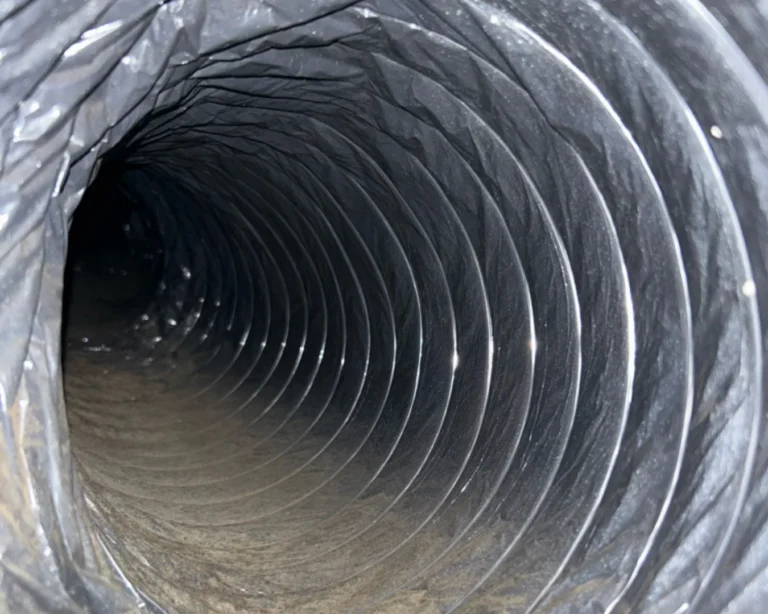 Indoor Air Quality (IAQ)Can a Dirty Air Conditioner Make You Sick?A dirty AC doesn't create germs on its own, but it can recirculate dust and, if the coil, drain pan or ducts stay wet,…
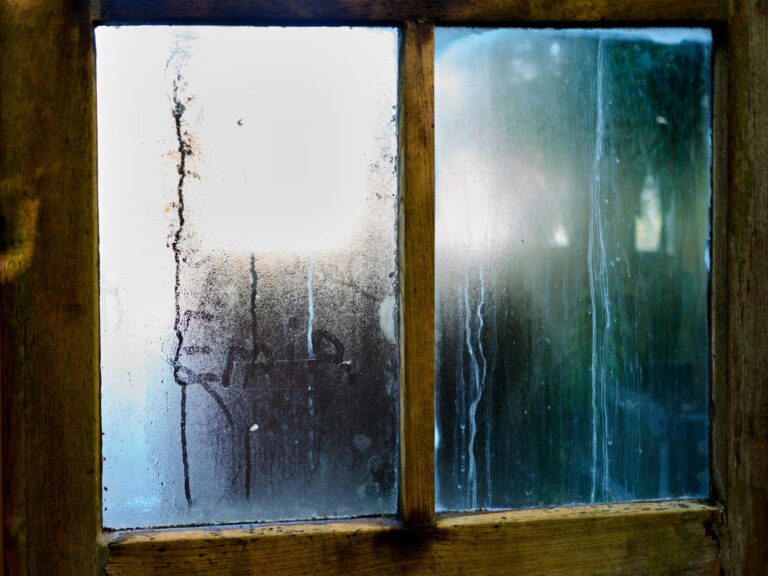 Indoor Air Quality (IAQ)Moisture From Below: Slab and Pier-and-Beam Homes in Central TexasGround moisture reaches Austin homes two ways: as vapor moving up through concrete slabs, and as humid outdoor air flowing through vented crawlspaces under…