
 HVAC Systems
 Heating
 Ductwork & Air Flow
 Ventilation
 Filtration
 Dehumidification
 Maintenance
 Mold
 Remediation & Restoration
 Pure Maintenance
 Your Home
 Building Science
 Insulation & Envelope
 Health & Safety

Quick answer: Yes. Cooking is one of the biggest daily sources of moisture, grease, smoke and odors in a home, and gas burners add combustion gases on top. A hood that vents outside removes all of that at the source. A recirculating hood only catches some grease and odor, so run whatever you have from the time you start cooking until 10-15 minutes after.
In this guide
- What does cooking actually put into the air?
- What’s different about cooking with gas?
- Vented or recirculating: which kind of hood do you have?
- How long should you run the range hood?
- Can a range hood be too powerful?
- How often should you clean or change the filters?
- What does your HVAC system have to do with the kitchen?
- What should you do next?
What does cooking actually put into the air?
More than most people think. Searing a steak, frying tortillas or simmering a pot of beans for an afternoon sends up:
- Water vapor from boiling, steaming and the food itself.
- Grease as tiny droplets that drift well past the stove.
- Smoke and fine particles, especially from high-heat cooking and anything that scorches.
- Odors that settle into fabric, drywall and cabinets.
Some of that leaves through a hood. The rest settles on cabinets, the ceiling, the top of the fridge and, eventually, your HVAC filter.
In a Central Texas house that stays closed up for most of a long cooling season, what goes into the kitchen air mostly stays in the house unless something moves it out.
What’s different about cooking with gas?
A gas flame adds its own byproducts on top of whatever the food gives off. Burning natural gas makes carbon dioxide and water vapor, along with smaller amounts of nitrogen dioxide and carbon monoxide. Those are combustion gases, the same family of byproducts a gas furnace sends up its flue. A cooktop has no flue, so they go straight into the kitchen.
That’s the main reason cooktop makers and building codes call for venting over gas ranges. A few practical steps:
- Run the hood every time you use a gas burner or oven, not just for smoky meals.
- Watch the flame. A crisp blue flame is burning cleanly. A lazy, mostly yellow or sooty flame means the burner needs cleaning or adjustment by a gas appliance technician.
- Keep a working carbon monoxide alarm in any home with gas appliances. Our guide on where CO detectors should go covers placement.
Electric and induction cooktops don’t burn anything, so they skip the combustion gases. The food still gives off the same moisture, grease and smoke, so a hood still earns its keep.
Vented or recirculating: which kind of hood do you have?
This matters more than the brand or how nice it looks.
- A vented (ducted) hood pulls air through a duct to the outside. It removes moisture, heat, grease, smoke, odors and combustion gases. It’s the one that really does the job.
- A recirculating (ductless) hood pulls air through a metal grease filter, often a charcoal filter, and blows it back into the kitchen. It catches some grease and some odor. The moisture, heat and combustion gases stay in the house.
- Many over-the-range microwaves are set up to recirculate, and they sit close to the front burners, which makes them weaker at catching what rises from the back.
To tell which you have, look for a vent cap on the roof or an outside wall near the kitchen. Or hold a paper towel near the top of the hood while it runs. If air blows back out into the room, it’s recirculating. A ducted hood should end outside the house, never in the attic or a soffit, where it can leave grease and moisture behind.
How long should you run the range hood?
Turn it on before you start cooking and leave it on 10-15 minutes after you finish. Most of the steam and smoke comes off at the start of searing and at the end when you lift lids, and turning the hood off with the last burner leaves that hanging in the room.
To get more out of it:
- Cook on the back burners when you can. Hoods capture more from the back.
- Use a higher speed for searing, frying and anything smoky. Low is fine for a simmer.
- Keep the lids on pots that are just simmering.
Can a range hood be too powerful?
It can, especially in a newer, tighter home. A hood can only push air out if the same amount of air gets back in somewhere. In a leaky older house, that air slips in around doors and windows. In a tight house, a big hood may pull air backward down a fireplace flue or a gas water heater vent, or just not move as much as its label says.
That’s why most versions of the residential building code call for make-up air, a planned way for outdoor air to come back in, when a kitchen hood can move more than 400 cubic feet per minute (CFM). Your local building department has the final word. If you’re remodeling and eyeing a high-powered hood, ask your kitchen contractor about make-up air before you buy. Our guide on fresh air in a tight house explains how tight homes handle ventilation in general.
How often should you clean or change the filters?
Hood filters and your HVAC filter both take a beating in a busy kitchen.
- Metal grease filters: wash them every month or two. Most can go in the dishwasher.
- Charcoal filters in recirculating hoods: replace them on the maker’s schedule, often every few months. Once they’re loaded, they stop catching odors.
- Your HVAC filter: change it every 1-3 months, and toward the short end if you cook a lot. A return grille near the kitchen that feels sticky is a hint that grease is reaching the system.
While you’re at it, wipe cabinet fronts, the range backsplash and the top of the fridge with warm, soapy water a few times a year. That thin grease film catches dust and holds cooking smells.
What does your HVAC system have to do with the kitchen?
Your AC is the backup plan for everything the hood misses. Moisture from cooking becomes part of the humidity load the AC has to pull out, and in an Austin summer it’s already working hard. Grease and smoke that get past the hood end up in the filter and can coat the indoor coil over time.
A good hood is the first line. After that, it helps to have:
- Indoor humidity near 50% in summer, with a dehumidifier if the house runs higher.
- A filter that fits snugly and gets changed on time.
- Planned fresh air in a tight home, such as an ERV (energy recovery ventilator).
Hood installation and ductwork for the hood itself are jobs for a kitchen contractor or electrician. What we can check is the rest of the picture: humidity, filtration, airflow and whole-house ventilation. Our guide on home exhaust fans and vents covers the other fans in the house.
What should you do next?
- Find out if your hood vents outside or recirculates.
- Run it from the start of cooking until 10-15 minutes after, every time you use gas.
- Clean the grease filters and check your HVAC filter this month.
- If your kitchen feels muggy or the house runs above 60% humidity, have your humidity and ventilation checked.
Related guides: What Indoor Humidity Level Should You Keep in an Austin Home?, How Often Should You Change Your AC Filter in Central Texas? and Indoor Air Quality Beyond Mold: Dust, VOCs, Filtration and Upkeep.
About Gold Eagle Services: This guide comes from the team at Gold Eagle Services, a family-run Austin HVAC, indoor air quality and mold remediation company founded in 2017. We’re licensed (TACLA119235 and RCO1783), insured and bonded, and we serve homes across the greater Austin area.
Need help with this in your home? Learn about our indoor air quality services, or call 512-489-4653 to schedule a visit.
More in Ventilation
All 7 guides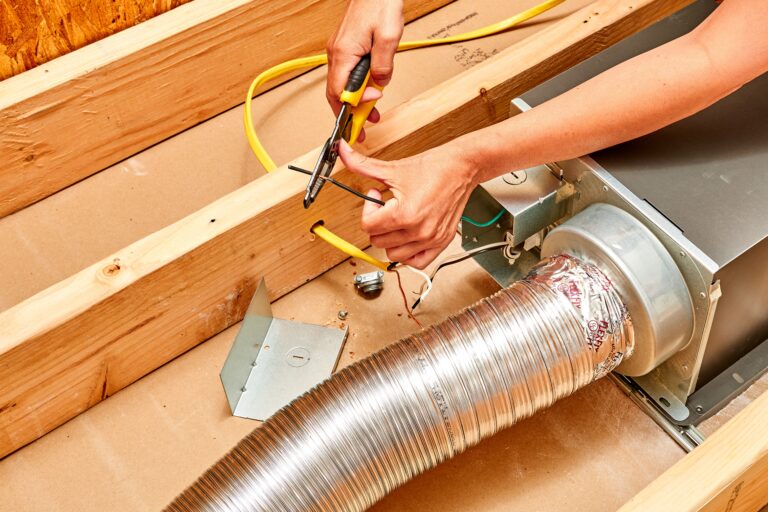 VentilationDoes a Bathroom Exhaust Fan Need to Vent Outside?Yes. A bathroom exhaust fan should be ducted all the way outdoors through a roof or wall cap with a damper flap. The residential…
 VentilationFresh Air in a Tight House: Ventilation Options for Newer Austin HomesNewer Austin homes are built tight, so stale air, odors and moisture no longer leak out by accident. The fix is planned ventilation: exhaust…
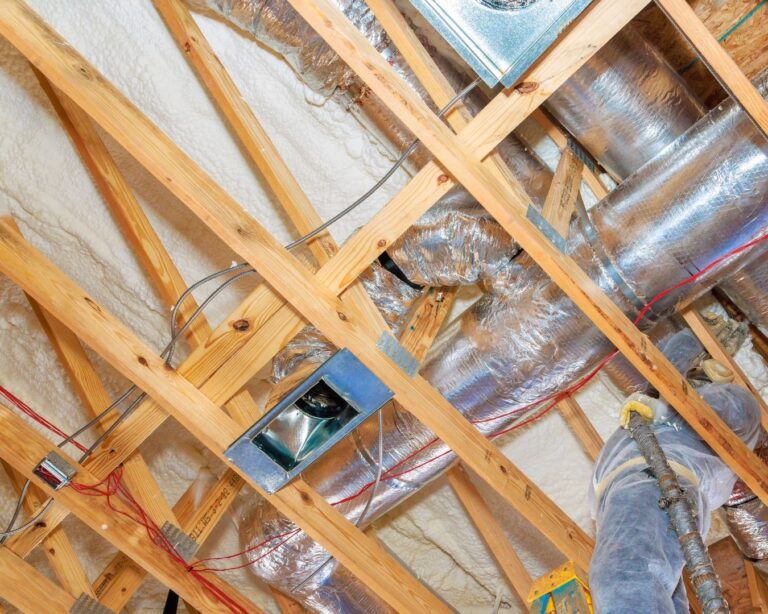 VentilationHome Exhaust Fans and Vents: Their Role in Indoor Air QualityExhaust fans and vents remove moisture, odors and pollutants at the source, like shower steam and cooking smoke, and send them outdoors. Properly vented…