
 HVAC Systems
 Heating
 Ductwork & Air Flow
 Ventilation
 Filtration
 Dehumidification
 Maintenance
 Mold
Mold Remediation & Restoration
 Pure Maintenance
 Your Home
 Building Science
 Insulation & Envelope
 Health & Safety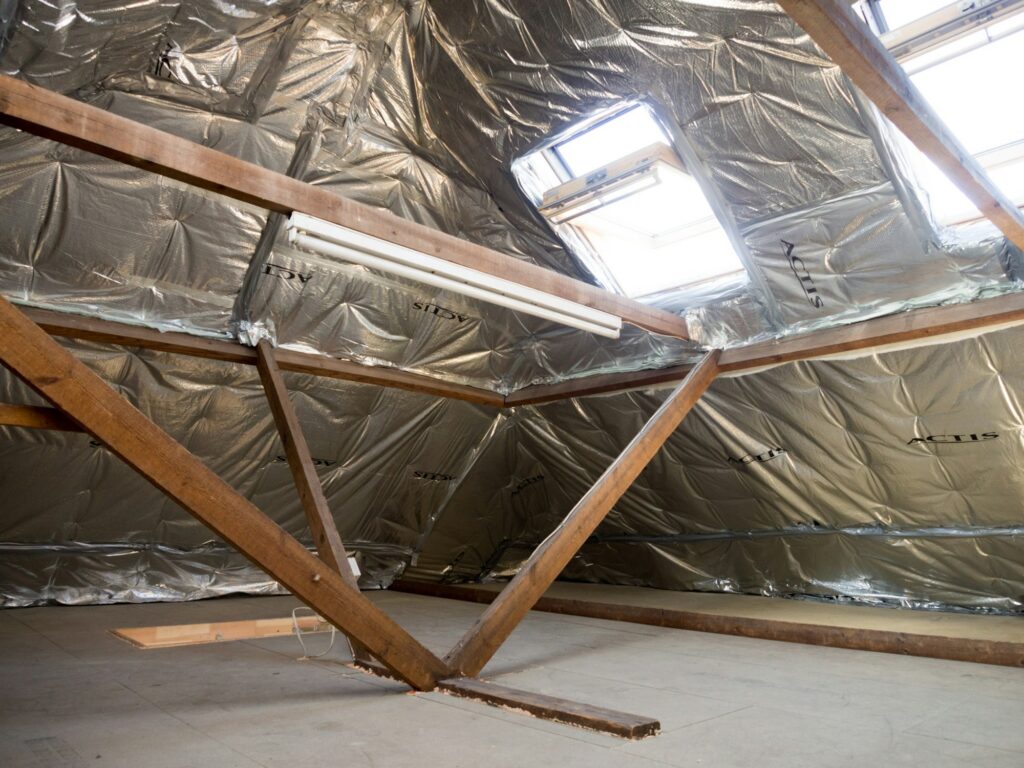
Quick answer: Attic insulation slows heat moving between your attic and your living space. In Central Texas, where attics get extremely hot and often hold the ductwork, good insulation keeps rooms cooler, eases the load on your AC and can lower energy bills. Austin’s code minimum for attics is R-49.
In this guide
- What does attic insulation actually do?
- How does attic insulation affect energy efficiency?
- Why does the attic matter so much in Central Texas?
- How does attic insulation affect comfort?
- Can attic insulation help prevent moisture and mold?
- How does attic insulation protect your home and HVAC system?
- Does attic insulation affect indoor air quality?
- What’s the environmental impact of attic insulation?
- What should you do next?
What does attic insulation actually do?
Attic insulation slows heat moving between the attic and the rooms below. Think of it as a blanket on the ceiling. That one job touches energy use, comfort, indoor air and how well the house holds up.
When insulation is thin or uneven, attic heat pours into the rooms below, your HVAC system works harder and moisture problems become more likely. R-value is the measure of how well it resists heat: the higher the number, the better.
How does attic insulation affect energy efficiency?
Good attic insulation cuts how hard your heating and cooling system has to work, so the system uses less energy:
- Steadier temperatures: Insulation slows summer heat moving down into living spaces and holds warmth in on cold nights. That lowers the demand on your system year-round.
- Lower energy bills: A system that isn’t fighting attic heat runs less. Many homeowners notice lower electric bills after upgrading their attic insulation.
Why does the attic matter so much in Central Texas?
The attic matters because that’s where the heat, the ducts and the humidity all meet:
- Extreme attic heat: On an August afternoon, a vented attic in Central Texas gets far hotter than the air outside. Without enough insulation, that heat pushes down through the ceiling and your AC fights it all day.
- Ductwork in the attic: Most Austin-area homes have their ducts, and often the air handler, in the attic. Cool air picks up heat on its trip through a hot attic, so sealed, insulated ducts and a well-insulated attic floor work as a team.
- Humidity: In our humid climate, leaky or poorly insulated ducts can “sweat” in the attic, dripping water that soaks insulation and stains drywall.
How does attic insulation affect comfort?
Good attic insulation evens out the house and quiets it down:
- Fewer hot and cold spots: Upstairs rooms that won’t cool down are a classic sign of poor attic insulation. A properly insulated attic helps every room feel about the same.
- Less noise: Insulation dampens outside sounds, like rain on the roof or traffic, and can cut sound moving between floors.
Can attic insulation help prevent moisture and mold?
Insulation helps, especially when paired with air sealing:
- Condensation: When warm, humid air meets a cool surface, like an uninsulated duct or the back of a cool ceiling, water condenses on it. Surfaces that stay wet again and again are where mold and mildew get started.
- Air sealing: Sealing gaps around light fixtures, attic hatches and plumbing pipes before adding insulation keeps humid air from moving between the house and the attic.
How does attic insulation protect your home and HVAC system?
It protects both by keeping heat and moisture where they do less damage:
- A sounder structure: Moisture trapped in an attic can lead to wood rot, damaged roofing and mold. Insulation, air sealing and attic ventilation work together to keep the attic dry.
- Less strain on your HVAC: When the attic isn’t dumping heat into the house, your AC runs less. Fewer hours mean less wear, which can help the equipment last longer.
Gold Eagle adds attic insulation and seals and insulates attic ductwork, so if your attic looks thin or an upstairs room won’t cool, we can check both in one visit.
Does attic insulation affect indoor air quality?
It can. Mold grows in damp spaces, and the house can pull attic air and dust in through leaks in the ceiling or ductwork. Good insulation and air sealing reduce that moisture and air movement.
If you’ve had a leak or see visible growth, have a state-licensed professional look at it. Mold on attic wood or drywall is a job for a general mold remediation company. Mold in your AC system or ductwork is one Gold Eagle handles.
What’s the environmental impact of attic insulation?
The main effect is a lower carbon footprint: using less energy to cool and heat your home cuts the emissions tied to that energy. Attic insulation is often one of the more cost-effective efficiency upgrades a homeowner can make.
What should you do next?
- Look into the attic (safely, from the hatch) for insulation that is thin, uneven, packed down or damp.
- Note any rooms that won’t cool down or run hotter than the rest of the house.
- If you’re below today’s R-49 code minimum, plan the upgrade together with air sealing and a duct check.
- Book a visit or call 512-489-4653 to have Gold Eagle check your attic insulation and ducts.
Related guides: How Insulation Affects Indoor Comfort Levels, Signs Your Home Needs Attic Insulation Upgrades and Choosing the Right Insulation Level for Your Climate (R-Value).
About Gold Eagle Services: This guide comes from the team at Gold Eagle Services, a family-run Austin HVAC, indoor air quality and mold remediation company founded in 2017. We’re licensed (TACLA119235 and RCO1783), insured and bonded, and we serve homes across the greater Austin area.
Need help with this in your home? Learn about our HVAC and home performance services, or call 512-489-4653 to schedule a visit.
Related Gold Eagle service: Attic insulation
More in Insulation & Envelope
All 21 guides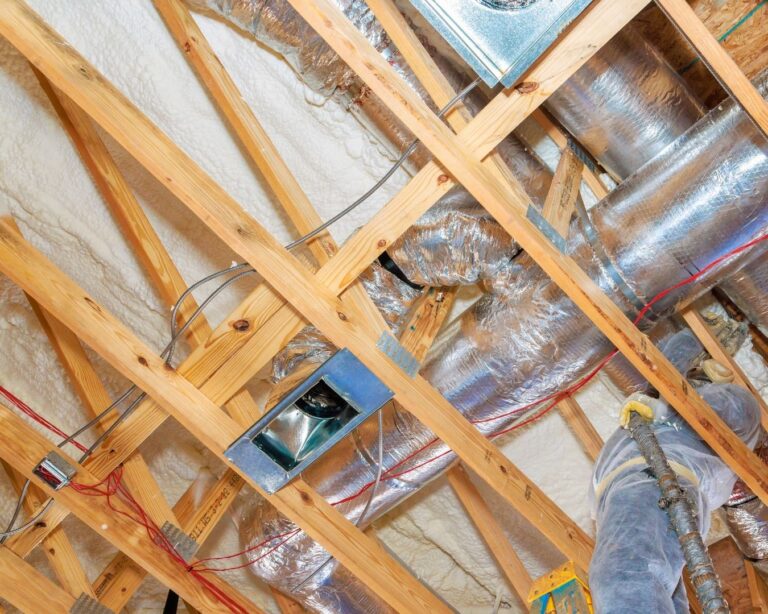 Insulation & EnvelopeLeaky Ducts: How They Pull Attic Air and Dust Into Your HomeThe return side of your duct system runs under suction, so any leak in a return duct, filter grille or air handler cabinet in…
 Insulation & EnvelopeWhere Your Home Leaks Air: Central Texas Air Sealing PrioritiesIn most Central Texas homes, the biggest air leaks aren't windows and doors but hidden openings in the attic and ductwork. Sealing between the…
 Insulation & EnvelopeWhat R-Value Attic Insulation Do You Need in Austin?R-value measures how well insulation resists heat flow: the higher the number, the better it insulates. In Austin, the current building code minimum for…