
 HVAC Systems
 Heating
 Ductwork & Air Flow
 Ventilation
 Filtration
 Dehumidification
 Maintenance
 Mold
Mold Remediation & Restoration
 Pure Maintenance
 Your Home
 Building Science
 Insulation & Envelope
 Health & Safety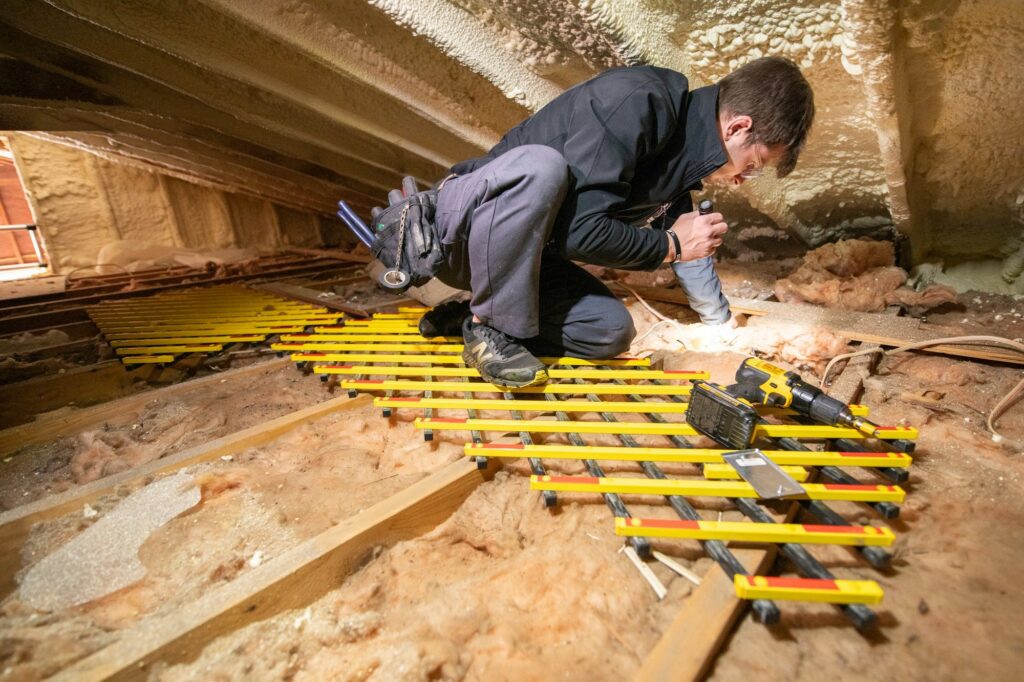
Quick answer: Common signs you need more attic insulation are rising energy bills, hot upstairs rooms, an AC that runs constantly in summer, uneven temperatures and insulation so thin you can see the ceiling joists. Austin’s code minimum for attics is R-49, and many older homes fall well short.
In this guide
- How do you know if your attic needs more insulation?
- 1. Are your energy bills climbing?
- 2. Are some rooms hotter or cooler than others?
- 3. Do you feel drafts in certain rooms?
- 4. Is your insulation old or damaged?
- 5. Does your AC run constantly in summer?
- 6. Have you found mold or moisture in the attic?
- 7. Can you see the ceiling joists?
- 8. Do upstairs rooms stay hot and ceilings feel warm?
- 9. Is your home unusually dusty?
- 10. Does the house feel hot even with the AC running?
- What should you do next?
How do you know if your attic needs more insulation?
Your house usually drops hints in the bills, the upstairs bedrooms and the AC’s run time. Attic insulation carries a lot of weight in Austin, where long, hot summers lean hard on your air conditioning and the occasional cold snap tests your heating. These ten signs say it’s time to upgrade or replace what’s up there.
1. Are your energy bills climbing?
Steadily rising cooling and heating bills can mean your attic insulation isn’t doing its job. In Austin summers, thin insulation lets attic heat push into your living space, and your HVAC system works harder to remove it. If your electric bill looks high for the size of your house, an insulation upgrade could make a noticeable difference.
2. Are some rooms hotter or cooler than others?
Uneven temperatures are a common sign that attic insulation is thin, patchy or settled. Poor insulation lets heat move easily between the attic and the rooms below. You’ll notice it most in summer, usually in the room everyone avoids after lunch.
3. Do you feel drafts in certain rooms?
Drafts often point to air leaks into the attic at light fixtures, the attic hatch, or holes cut for plumbing and wiring. Those leaks tend to go hand in hand with gaps in insulation. Air sealing and filling in thin areas can make your home feel noticeably more comfortable.
4. Is your insulation old or damaged?
Older homes often have far less insulation than today’s code calls for. Insulation that’s been in place for many years may have settled, been squashed by storage boxes or foot traffic, or been disturbed during other work. If pests or water leaks have damaged it, replace it and fix the source of the problem so it doesn’t lead to mold.
5. Does your AC run constantly in summer?
If your air conditioner runs nonstop on hot afternoons and still struggles to keep up, attic insulation may be part of the problem. When heat pours in through the ceiling, the system runs longer, adding wear and raising energy costs.
It’s also worth having the AC itself checked, since low refrigerant, dirty coils or leaky ducts can cause the same symptom.
6. Have you found mold or moisture in the attic?
Mold, mildew, water stains or damp insulation in the attic mean something isn’t right. Austin is known for heat, but humidity is a problem too, especially in rainy seasons. The cause could be a roof leak, sweating ducts or humid air leaking into the attic. Left alone, these issues can affect your indoor air and damage your home over time.
Sweating ducts are an HVAC fix. Mold on the roof decking or framing is a job for a general mold remediation company.
7. Can you see the ceiling joists?
If you can see them, you almost certainly have less insulation than today’s recommended levels. Ceiling joists are the wooden beams that the ceiling drywall hangs from. Look safely from the hatch. When the insulation is level with or below the top of the joists, you’re short.
Reaching R-49 with blown-in fiberglass typically takes well over a foot of depth. Thin spots, bare patches and insulation pushed aside around the air handler or walkways are also red flags.
8. Do upstairs rooms stay hot and ceilings feel warm?
That’s attic heat getting through. If upstairs bedrooms stay hot well into the evening, or ceilings feel warm to the touch on a summer afternoon, your insulation isn’t keeping up. Central Texas attics get extremely hot in summer, and without enough insulation that heat radiates into the rooms below.
9. Is your home unusually dusty?
Dust can be a sign. It has plenty of causes, but a home that gets dusty quickly may have air leaks connecting it to the attic. Look for dark, dirty streaks on insulation or around ceiling vents and light fixtures, which show air moving through those gaps. Air sealing with an insulation upgrade cuts that air movement.
10. Does the house feel hot even with the AC running?
Then your attic insulation may be falling short. Austin summers are brutal, but a home that feels hot with the AC on is telling you something. Bringing the attic up to R-49 or more helps keep your home cooler on the hottest days.
What should you do next?
Get the attic checked. If several of these signs ring a bell, it may be time to upgrade. At Gold Eagle Services, we look at your attic insulation, ductwork and HVAC system together to find what’s really driving your comfort and energy problems.
- Look into the attic from the hatch and check whether you can see the tops of the ceiling joists.
- Note which rooms run hot and compare this summer’s electric bills with last year’s.
- Watch for water stains, damp insulation or sweating ducts, and fix the moisture source first.
- Schedule an attic evaluation or call 512-489-4653, and we’ll tell you how much insulation you have now and what an upgrade to R-49 to R-60 would involve.
An insulation upgrade works best alongside air sealing and a duct check.
Related guides: How Attic Insulation Affects Your Home, Choosing the Right Insulation Level for Your Climate (R-Value) and How Insulation Helps Control Noise in Your Home.
About Gold Eagle Services: This guide comes from the team at Gold Eagle Services, a family-run Austin HVAC, indoor air quality and mold remediation company founded in 2017. We’re licensed (TACLA119235 and RCO1783), insured and bonded, and we serve homes across the greater Austin area.
Need help with this in your home? Learn about our HVAC and home performance services, or call 512-489-4653 to schedule a visit.
Related Gold Eagle service: Attic insulation
More in Insulation & Envelope
All 21 guides Insulation & EnvelopeLeaky Ducts: How They Pull Attic Air and Dust Into Your HomeThe return side of your duct system runs under suction, so any leak in a return duct, filter grille or air handler cabinet in…
 Insulation & EnvelopeWhere Your Home Leaks Air: Central Texas Air Sealing PrioritiesIn most Central Texas homes, the biggest air leaks aren't windows and doors but hidden openings in the attic and ductwork. Sealing between the…
 Insulation & EnvelopeWhat R-Value Attic Insulation Do You Need in Austin?R-value measures how well insulation resists heat flow: the higher the number, the better it insulates. In Austin, the current building code minimum for…