
 HVAC Systems
 Heating
 Ductwork & Air Flow
 Ventilation
 Filtration
 Dehumidification
 Maintenance
 Mold
Mold Remediation & Restoration
 Pure Maintenance
 Your Home
 Building Science
 Insulation & Envelope
 Health & Safety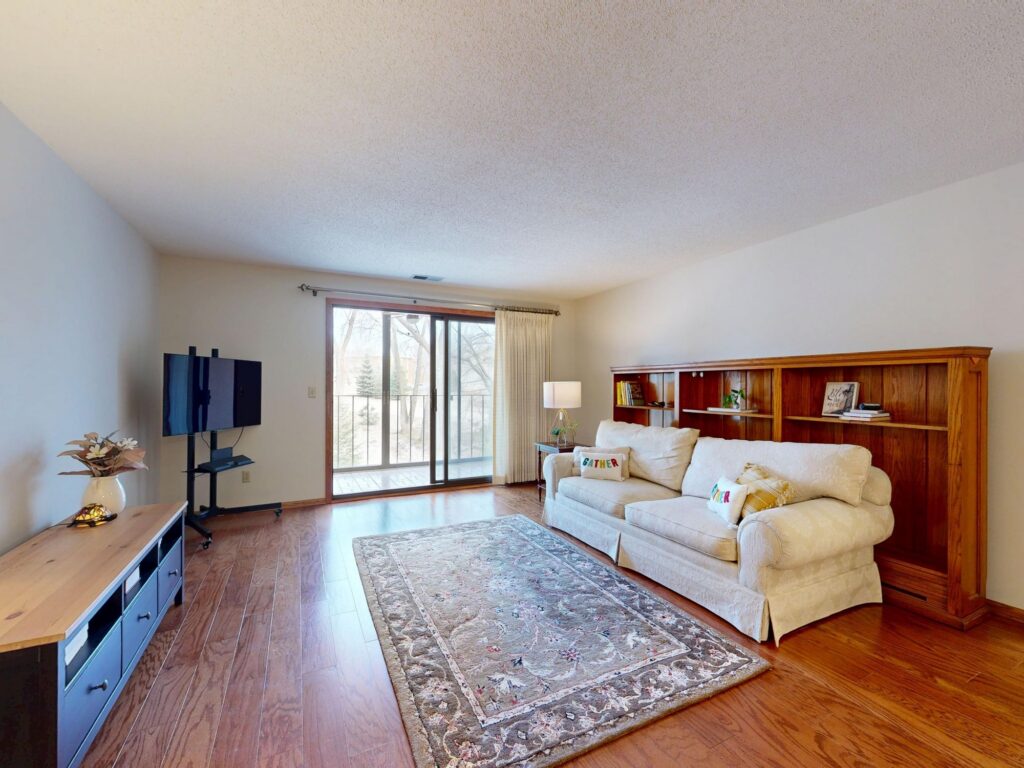
Quick answer: Insulation slows heat moving between your home and the outdoors, which keeps room temperatures more even, reduces drafts and lets your HVAC system hold a steady temperature. It also helps with moisture control and noise. In Austin, attic insulation has the biggest effect on summer comfort.
In this guide
- How does insulation affect comfort in your home?
- 1. How does insulation keep temperatures consistent?
- 2. Does insulation reduce temperature swings?
- 3. How does insulation affect energy use and HVAC performance?
- 4. Does insulation help with humidity and moisture?
- 5. Can insulation make a house quieter?
- 6. How does insulation affect indoor air quality (IAQ)?
- 7. Does insulation stop drafts?
- What’s the bottom line?
How does insulation affect comfort in your home?
It decides how much of the weather gets inside. Insulation is one of the biggest factors in how your home feels through the year, from a 105°F August afternoon to the handful of genuinely cold nights Central Texas gets each winter. Here’s how it shows up in daily life.
1. How does insulation keep temperatures consistent?
It acts as a thermal barrier, keeping conditioned air in and slowing outside heat or cold from getting through. In an Austin summer, when attics can get extremely hot, insulation slows that heat from seeping into your rooms and reduces the load on your air conditioner. In cooler weather, it helps keep the warmth from your heating system inside.
Without enough of it, you’re more likely to get uneven temperatures from room to room: the back bedroom that’s always a few degrees warmer, or a house that’s too hot in summer and too cold in winter.
2. Does insulation reduce temperature swings?
Yes. Good insulation smooths out the ups and downs through the day and night. In a poorly insulated home, rooms heat up quickly on a sunny afternoon and cool off fast on a cold night. Insulation works as a buffer, slowing heat transfer so indoor temperatures change more gradually.
3. How does insulation affect energy use and HVAC performance?
It lets your equipment work less for the same comfort. In a well-insulated home, your heating and cooling system doesn’t have to run as hard to hold your thermostat setting, which means less energy use and less wear and tear.
With poor insulation, the system runs longer and more often to keep up with heat gain and loss. That raises energy bills and may still leave you uncomfortable, like trying to cool a house with the attic hatch propped open.
4. Does insulation help with humidity and moisture?
Yes, as part of a team. In humid climates like Austin’s, poor insulation and air leaks can let humid air into walls, ceilings and the attic, and can leave cool surfaces where moisture condenses. Too much humidity indoors makes a house feel sticky even when the thermostat says it’s cool.
Proper insulation, combined with air sealing and an HVAC system that removes humidity, helps keep damp air where it belongs. That improves comfort and reduces the risk of mold growth and other moisture problems.
5. Can insulation make a house quieter?
It can. Fibrous materials such as fiberglass and hemp-based products like HempWool® batts absorb sound and reduce noise traveling in from outside or between rooms. That’s welcome if you live on a busy street or share a wall with a teenager’s drum kit.
6. How does insulation affect indoor air quality (IAQ)?
A well-insulated, well-sealed home can support better indoor air quality. By reducing moisture problems and uncontrolled air leaks from attics and wall cavities, insulation helps limit the conditions where mold grows and dust gets drawn in. When choosing a material, you can look for manufacturer certifications such as GREENGUARD Gold, which indicates low chemical emissions; Owens Corning, for example, lists its ProCat® fiberglass as GREENGUARD Gold certified.
7. Does insulation stop drafts?
It helps, especially when paired with air sealing. Drafts make certain spots feel colder or warmer than the rest of the house. Insulating attics and walls, and a crawl space if your home has one, together with sealing gaps and cracks, reduces those drafts and keeps temperatures more uniform.
What’s the bottom line?
Insulation affects nearly every part of how your home feels: even temperatures, fewer drafts, steadier humidity and a quieter house, all while helping your HVAC system run more efficiently. In Austin, the attic is usually the best place to start; the current code minimum is R-49, and we recommend R-49 to R-60. If you have hot rooms, high summer bills or a system that never seems to catch up, an insulation check alongside an HVAC evaluation is a good next step.
Related guides: How Attic Insulation Affects Your Home, Choosing the Right Insulation Level for Your Climate (R-Value) and How Insulation Helps Control Noise in Your Home.
About Gold Eagle Services: This guide comes from the team at Gold Eagle Services, a family-run Austin HVAC, indoor air quality and mold remediation company founded in 2017. We’re licensed (TACLA119235 and RCO1783), insured and bonded, and we serve homes across the greater Austin area.
Need help with this in your home? Learn about our HVAC and home performance services, or call 512-489-4653 to schedule a visit.
Related Gold Eagle service: Attic insulation
More in Insulation & Envelope
All 21 guides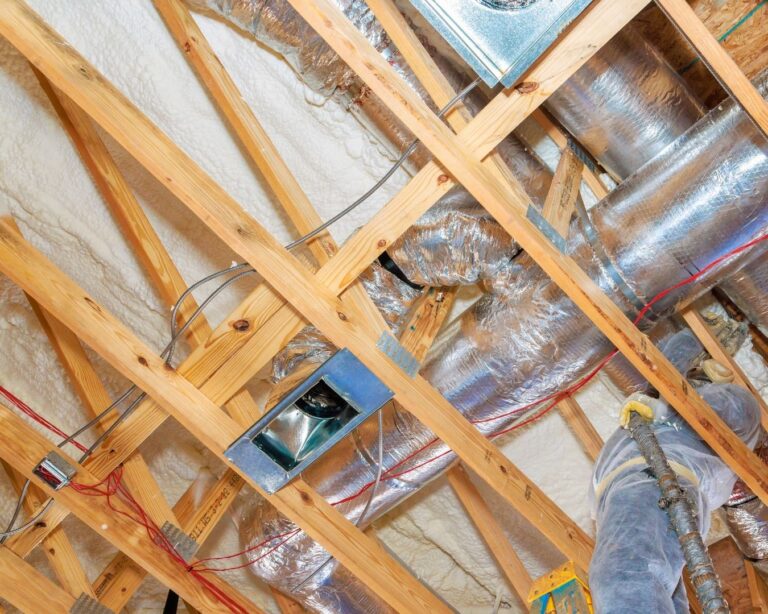 Insulation & EnvelopeLeaky Ducts: How They Pull Attic Air and Dust Into Your HomeThe return side of your duct system runs under suction, so any leak in a return duct, filter grille or air handler cabinet in…
 Insulation & EnvelopeWhere Your Home Leaks Air: Central Texas Air Sealing PrioritiesIn most Central Texas homes, the biggest air leaks aren't windows and doors but hidden openings in the attic and ductwork. Sealing between the…
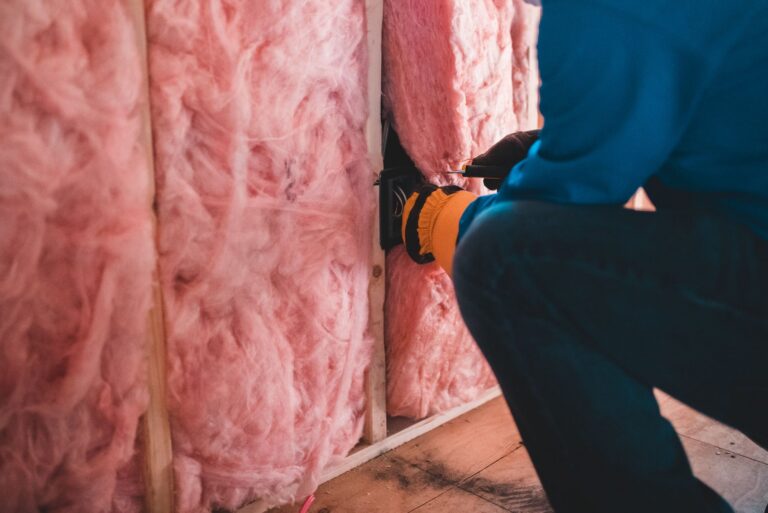 Insulation & EnvelopeWhat R-Value Attic Insulation Do You Need in Austin?R-value measures how well insulation resists heat flow: the higher the number, the better it insulates. In Austin, the current building code minimum for…