
 HVAC Systems
 Heating
 Ductwork & Air Flow
 Ventilation
 Filtration
 Dehumidification
 Maintenance
 Mold
 Remediation & Restoration
 Pure Maintenance
 Your Home
 Building Science
 Insulation & Envelope
 Health & Safety
 Case Study
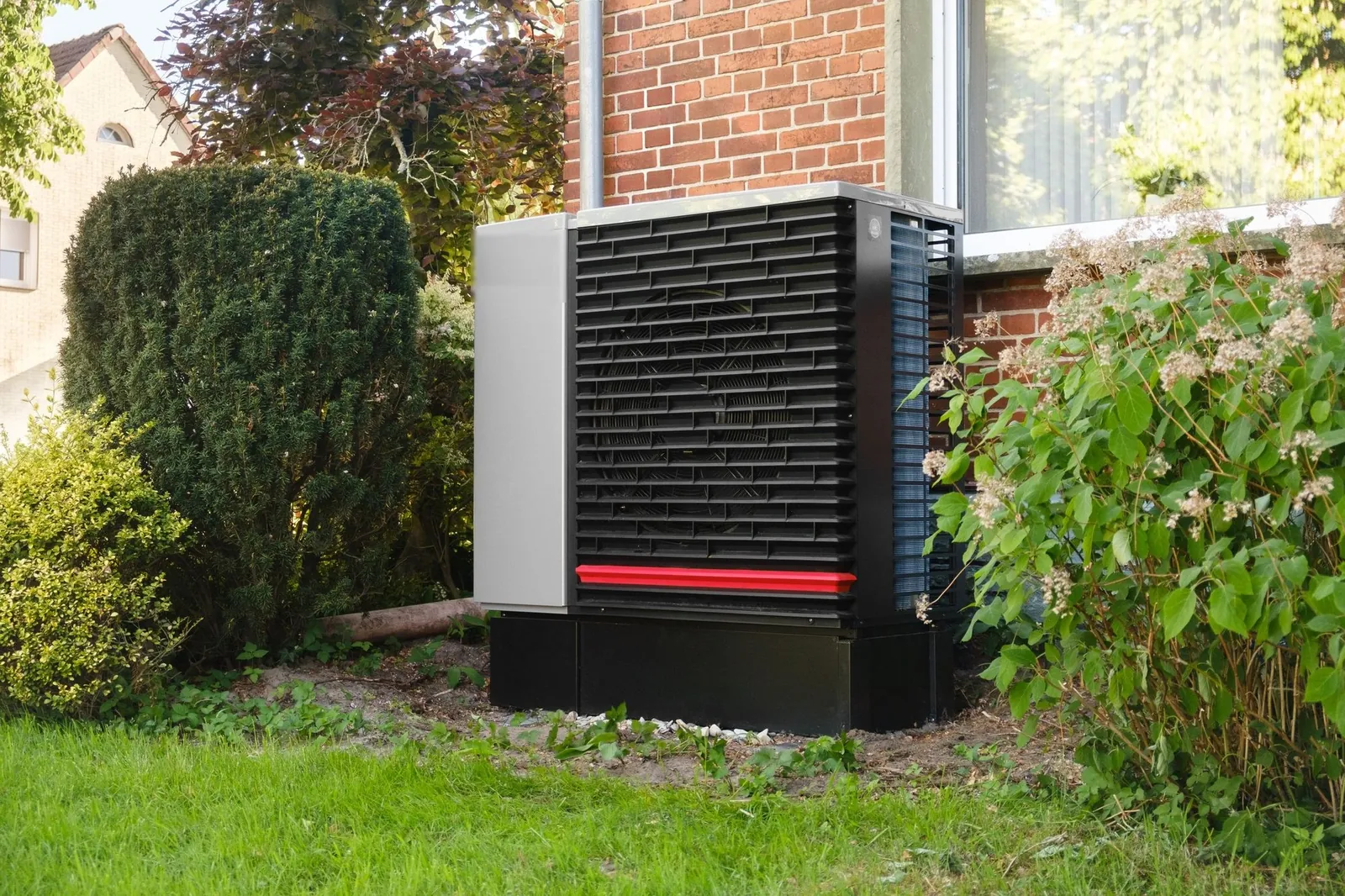
Quick answer: There are four main ones. On the coldest nights backup heat strips kick in and electric use jumps; vent air feels cooler than furnace heat; winter brings defrost cycles; and there’s no heat in a power outage. Because our winters are mostly mild, those trade-offs are manageable in most Central Texas homes.
In this guide
Why does a heat pump struggle on the coldest nights?
Because it needs help. As the outdoor temperature falls, its output drops just as the house starts losing heat faster. Below a certain point, electric heat strips kick in (electric coils that heat like a toaster) to cover the gap, and strips use far more electricity for the same heat.
That line is the heat pump’s balance point, the outdoor temperature where it can no longer keep up alone. In a normal Austin winter it’s crossed on a handful of nights. In a February like 2021, it’s crossed for days.
Why does heat pump air feel cool, and why does the outdoor unit steam?
Both are normal. Heat pump air is warm but not as hot as gas furnace air, so the system runs longer, steadier cycles, and a vent can feel drafty on the first cold snap.
On frosty mornings the outdoor unit also stops its fan for a few minutes to melt ice off its coil, with a whoosh and a cloud of steam. That’s the defrost cycle, and how a heat pump works explains why it happens. Neither is a fault; they just surprise people the first winter.
Does a heat pump work in a power outage?
No. No power, no heat. The same is true of a gas furnace, whose blower, igniter and controls all run on electricity, so dual fuel alone doesn’t solve an outage. Only a generator, connected safely by an electrician, does. What to do with your heat pump during and after a Texas freeze covers the steps.
What other heat pump downsides should I know about?
- More hours: the outdoor unit works year-round, so it logs more run time than an AC-only unit and deserves a check before both seasons.
- More parts: it has components an AC doesn’t, like the reversing valve (the part that flips it from cooling to heating) and defrost controls.
- Thermostat setup: the thermostat must be configured for a heat pump, or it may call the strips when it doesn’t need to.
- Electrical capacity: heat strips need large circuits, so switching from gas can mean electrical upgrades.
Is a heat pump worth it in Central Texas?
Yes, for most Central Texas homes. It cools exactly like an AC and heats efficiently through most winter hours. The Department of Energy notes that in moderate climates, heat pumps can be an efficient alternative to furnaces.
Homes with gas can keep a furnace as backup in a dual fuel setup, where the furnace takes over on the coldest nights. Heat pump vs. gas furnace vs. dual fuel compares all three.
Gold Eagle installs heat pumps and dual fuel systems across the Austin area. To see how the options stack up for your house, try Build Your System.
What should you do next?
- Confirm your thermostat is set up for a heat pump so it doesn’t call the strips early.
- Expect the defrost whoosh and steam on frosty mornings; it’s normal.
- If outages worry you, ask an electrician about a properly connected generator.
- Book a Gold Eagle heat pump check before cooling and heating season.
Related guides: Heat Pump vs. Gas Furnace vs. Dual Fuel in Central Texas, What Is a Heat Pump’s Balance Point, and Why Does It Matter in Central Texas? and Aux Heat vs. Emergency Heat: What Your Heat Pump Thermostat Is Telling You.
About Gold Eagle Services: This guide comes from the team at Gold Eagle Services, a family-run Austin HVAC, indoor air quality and mold remediation company founded in 2017. We’re licensed (TACLA119235 and RCO1783), insured and bonded, and we serve homes across the greater Austin area.
Need help with this in your home? Learn about our heat pump repair and installation, or call 512-489-4653 to schedule a visit.
Related Gold Eagle service: AC repair in Austin
More in Air Conditioning
All 45 guides Air ConditioningWhen Is a Heating or Cooling Problem an Emergency?It's an emergency when you smell gas, a carbon monoxide (CO) alarm sounds, you see smoke or smell something electrical burning, or the AC…
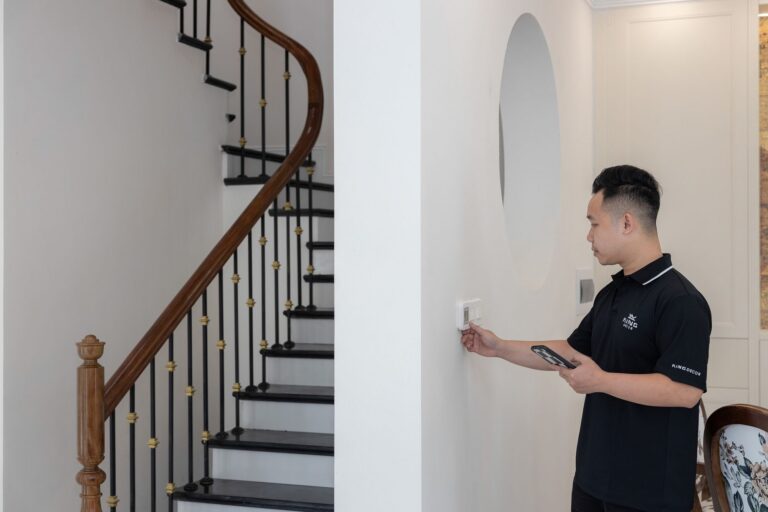 Air ConditioningWhere Should Your Thermostat Be Located?Put a thermostat on an inside wall about 5 feet off the floor, where air moves normally and the temperature matches the rooms you…
 Air ConditioningZilkr on the Park Condo Case Study: Clammy at 68°F, Comfortable at 74°FA corner condo at Zilkr on the Park felt clammy at 68°F with 65-72% indoor humidity. A 2-ton variable-speed heat pump now holds it…