
 HVAC Systems
 Heating
 Ductwork & Air Flow
 Ventilation
 Filtration
 Dehumidification
 Maintenance
 Mold
 Remediation & Restoration
 Pure Maintenance
 Your Home
 Building Science
 Insulation & Envelope
 Health & Safety
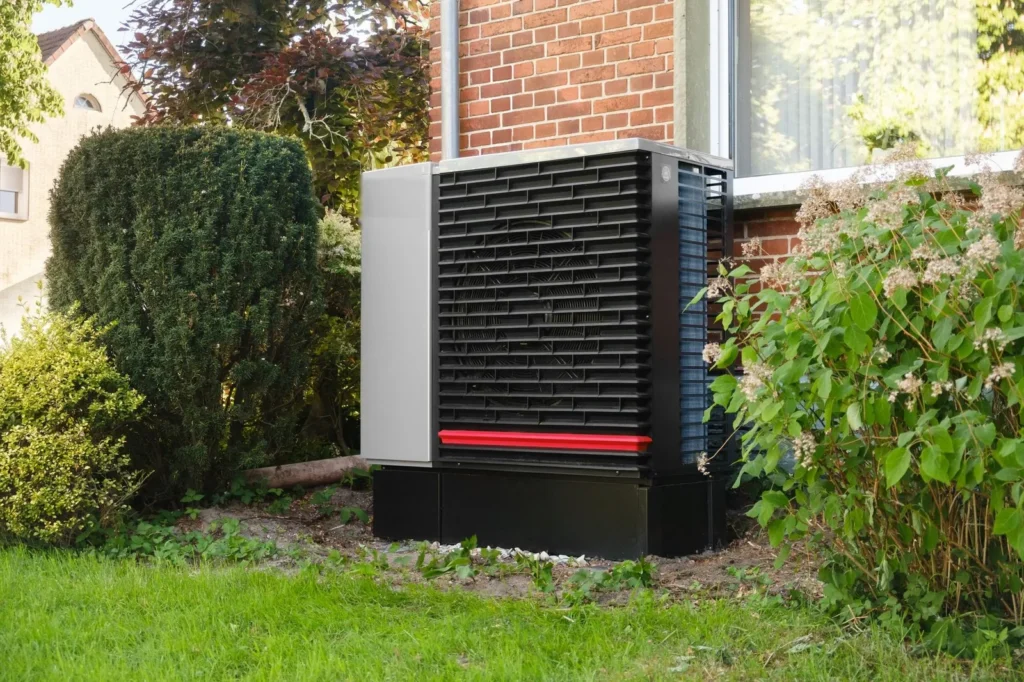
Quick answer: A heat pump moves heat instead of making it. In summer it pulls heat out of your house and dumps it outdoors, like a central AC. In winter a valve reverses the flow, so the outdoor unit gathers heat from outdoor air and the indoor coil releases it indoors. That suits Central Texas’s long summers and mild winters.
In this guide
How does a heat pump heat when it’s cold outside?
Because cold air still holds heat, and the refrigerant (the fluid that carries heat through the system) inside the outdoor coil is colder still. Heat always flows from warmer to colder, so on a 35°F January morning the refrigerant soaks up heat from the air passing over the coil.
The compressor (the pump in the outdoor unit) then squeezes that refrigerant vapor, which drives its temperature well above room temperature, the same way a bike pump warms as you pump. Indoors, the hot refrigerant hands its heat to the air your blower (the indoor fan) pushes across the indoor coil.
That’s the source of a heat pump’s efficiency: it burns nothing and doesn’t turn electricity straight into heat. ENERGY STAR says an air-source heat pump can deliver up to three times more heat energy to a home than the electrical energy it uses.
What are the parts of a heat pump system?
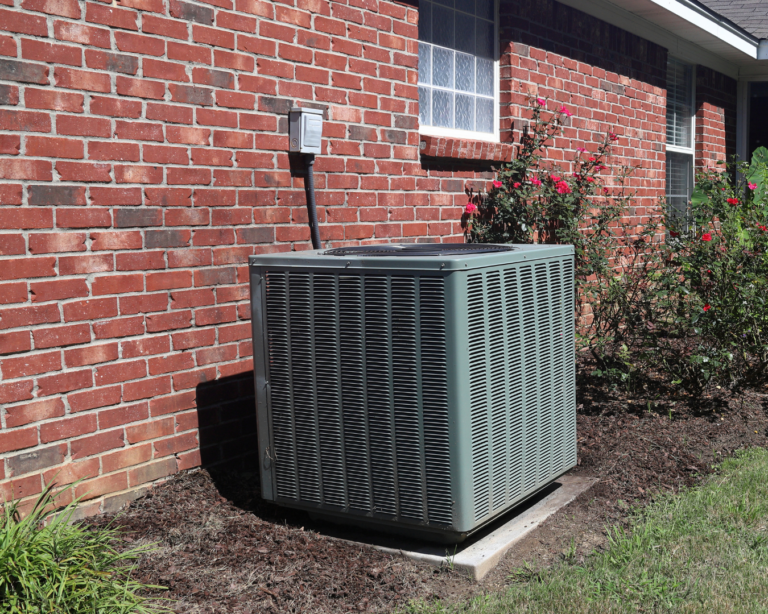
- The outdoor unit holds the compressor, a coil, a fan and the reversing valve that switches between heating and cooling. From the yard it looks just like a regular outdoor AC unit.
- The indoor unit is an air handler (a cabinet with a fan and coil), usually in the attic, sometimes in a hall closet or the garage. It holds the blower, the indoor coil and a bank of electric heat strips (coils that glow hot, like a toaster’s) for backup.
- The ducts carry the air. In most Central Texas homes that means a ductboard plenum (a box made of stiff fiberglass board on the air handler) with round flex duct runs out to each room.
- The thermostat decides when to run the heat pump and when to call in the heat strips.
Our guide to HVAC system parts covers each piece in more detail.
Why does my heat pump blow lukewarm air?
Because it’s warm, not hot. A gas furnace blasts short bursts of hot air. A heat pump sends a steadier stream that’s warmer than the room yet can feel cool on a wet hand, and it runs longer to get the job done.
Longer runs are normal. Why a heat pump blows cold air in heat mode covers when it’s something more.
Why is my heat pump steaming outside in winter?
It’s defrost mode, and it’s normal. On cold, damp days frost builds up on the outdoor coil, so every so often the unit switches to cooling mode for a few minutes to melt it. When it switches back, you may see a cloud of steam and hear a whoosh.
The heat strips usually cover those minutes so the vents don’t blow cold. Water and steam from the unit during defrost are normal, and why a heat pump drips water in winter explains why.
Does a heat pump work in freezing weather?
Yes, but it gets help. As the outdoor temperature drops, the heat pump moves less heat just as the house loses more. Below a temperature called the balance point, where the two cross, the thermostat brings on the heat strips to make up the difference.
That’s the “Aux” you see on the thermostat during a hard freeze, and it’s expected. Aux heat vs. emergency heat explains the settings.
Is a heat pump a good choice in Austin?
For most homes, yes, because our winters are mild and our summers are long. A heat pump is an air conditioner that also heats, so one machine covers both seasons, and most winter days here fall in the range where it works efficiently. The backup heat mostly runs on the coldest nights, during defrost and when you raise the thermostat several degrees at once.
Homes with gas sometimes pair a heat pump with a furnace instead, a setup called dual fuel: the heat pump handles mild weather and the furnace takes the cold snaps. Gold Eagle installs and services both across the Austin area, and Build Your System lets you compare new system options for your home.
What should you do next?
- Check or change the filter so the attic air handler gets good airflow in both seasons.
- Expect steam, a whoosh or “Aux” on the thermostat on cold mornings; all three are normal.
- Leave Emergency Heat (strips only, no heat pump) off unless the outdoor unit has actually failed; it costs more to run.
- Book a heat pump tune-up if the house can’t keep up on mild days.
Related guides: Heat Pump vs. Gas Furnace vs. Dual Fuel in Central Texas, Aux Heat vs. Emergency Heat: What Your Heat Pump Thermostat Is Telling You and What Is a Heat Pump’s Balance Point, and Why Does It Matter in Central Texas?
About Gold Eagle Services: This guide comes from the team at Gold Eagle Services, a family-run Austin HVAC, indoor air quality and mold remediation company founded in 2017. We’re licensed (TACLA119235 and RCO1783), insured and bonded, and we serve homes across the greater Austin area.
Need help with this in your home? Learn about our heat pump repair and installation, or call 512-489-4653 to schedule a visit.
Related Gold Eagle service: AC repair in Austin
More in Heating
All 35 guides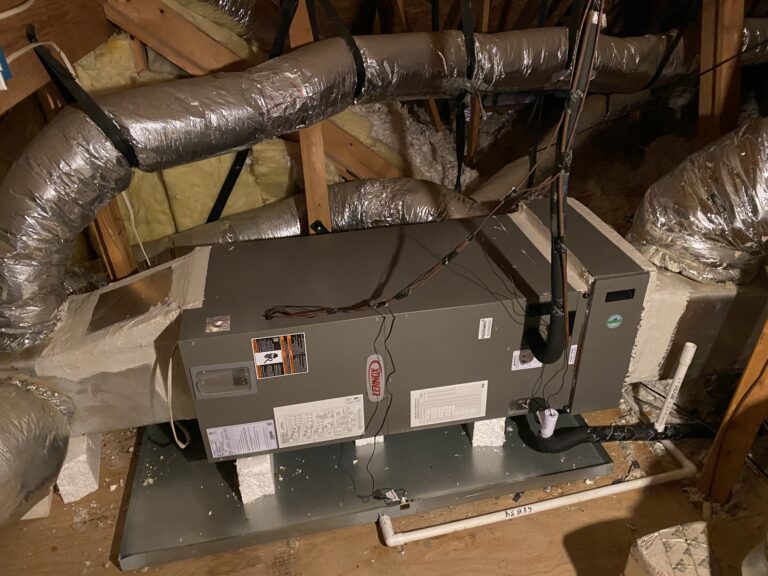 HeatingHow Do You Know If You Have a Heat Pump or a Furnace?Turn the heat on and look outside. If the outdoor unit runs while the house is heating, you have a heat pump. If it…
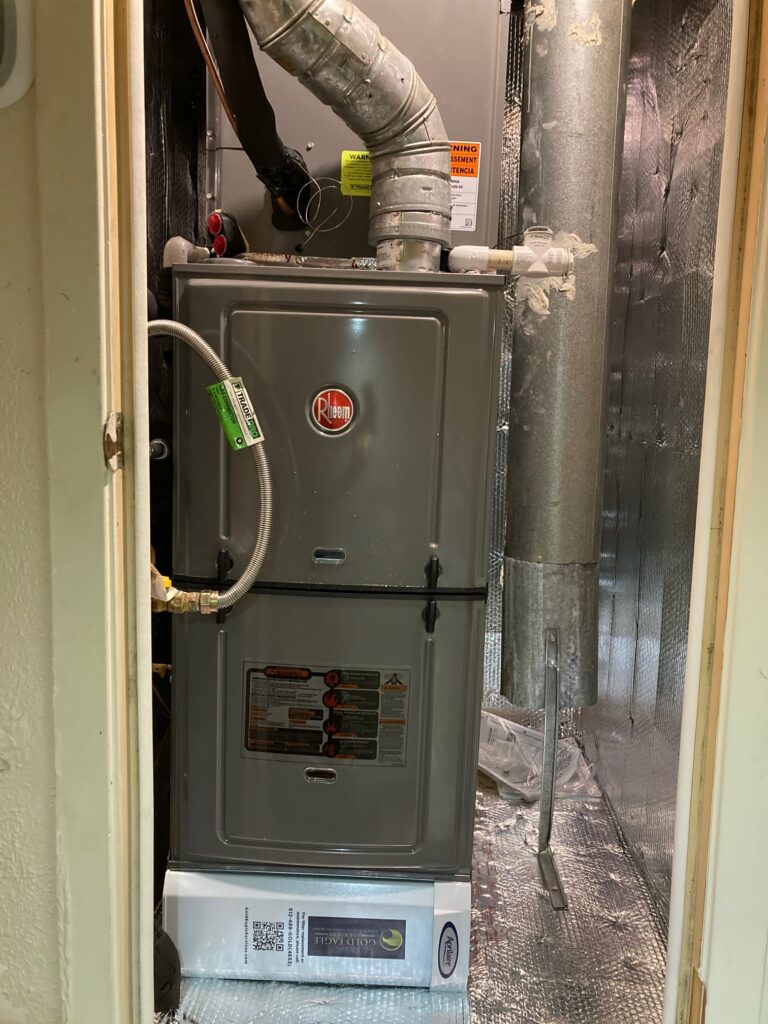 HeatingHow Does a Gas Furnace Work?A gas furnace burns natural gas or propane to heat a metal heat exchanger. A fan pushes house air across the outside of it…
 HeatingWhat Should You Do With Your Heat Pump During and After a Texas Freeze?During a Texas freeze, leave a heat pump running in normal Heat mode, uncovered, and let its defrost cycle handle frost. If the power…