
 HVAC Systems
 Heating
 Ductwork & Air Flow
 Ventilation
 Filtration
 Dehumidification
 Maintenance
 Mold
 Remediation & Restoration
 Pure Maintenance
 Your Home
 Building Science
 Insulation & Envelope
 Health & Safety
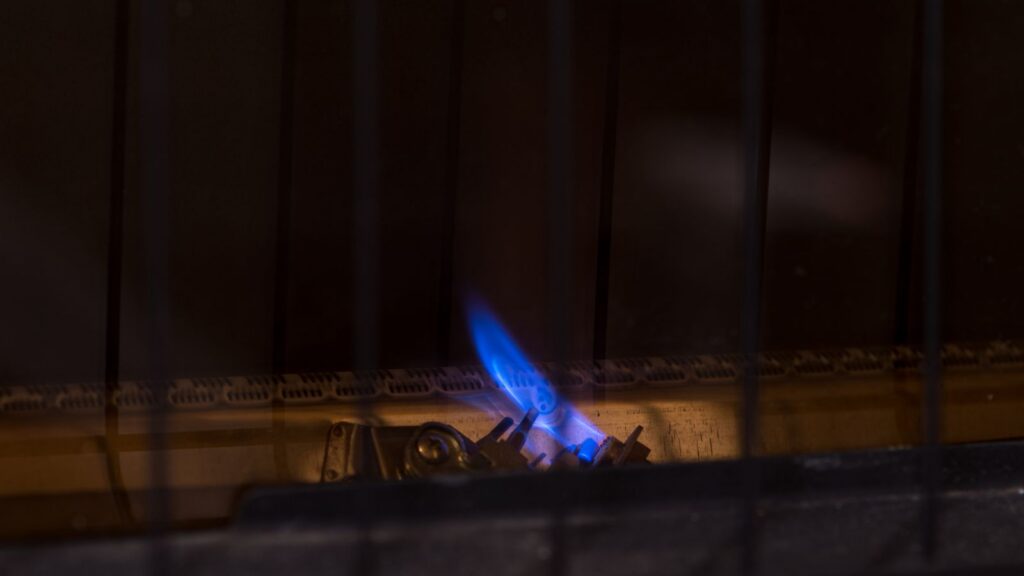
Quick answer: Probably not. Most modern gas furnaces, including most in Central Texas homes, use electronic ignition, usually a hot surface ignitor that glows like a toaster element, instead of a pilot flame that always burns. Some older furnaces still have one. Either way, relighting gas equipment is a licensed technician’s job.
In this guide
How does a furnace light without a pilot?
It uses electronic ignition, which lights the burners only when the furnace calls for heat. It comes in two common types:
- Hot surface ignition. A small ceramic ignitor heats until it glows orange, then the gas valve opens and the burners (the rows of gas flames) light off it. Most furnaces in Central Texas attics work this way.
- Intermittent pilot. A spark lights a small pilot flame only when the furnace calls for heat, and the pilot lights the burners. The pilot goes out at the end of each cycle.
Either way, nothing burns while the furnace is idle, which saves the gas a standing pilot would burn all year. In Central Texas, where the furnace sits unused most of the year, that’s a lot of months of pilot flame nobody needs.
How do I know if my furnace has a pilot light?
Read the label. Most furnaces carry a lighting or operating instructions label on or behind the front panel, and it names the type of ignition.
The model number on the data plate (the metal sticker with the model and serial numbers) works too: look it up on the manufacturer’s website. A furnace with a standing pilot is usually an older unit. Either check tells you the answer without removing the burner cover or looking inside.
What should you do if your furnace won’t light?
Don’t try to relight it. If you smell gas (it smells like rotten eggs), leave the house right away and call 911 and your gas utility from outside, as explained in what to do if you smell rotten eggs near a furnace.
With no gas smell, check the things that don’t involve gas: the thermostat mode and setpoint (the temperature you set), the breaker, the service switch (it looks like a light switch) near the furnace and the filter. Why the thermostat says heat is on but nothing happens walks through each one. If they all check out, call a technician: Gold Eagle’s technicians repair furnaces that won’t light across the Austin area.
Why do furnace ignitors fail?
They’re fragile. A hot surface ignitor heats to a glow every time the furnace starts, hundreds of times a season, and over the years it cracks or weakens until it can’t light the burners. It’s also so brittle that a bump or a touch can break it.
A related part, the flame sensor, confirms the burners are lit. When it gets coated, the furnace lights and then shuts off, as covered in why a furnace turns on and then shuts off. Both are routine repairs for a technician.
Do gas water heaters and fireplaces still have pilot lights?
Some gas water heaters and gas fireplaces still use a standing pilot, which falls outside this guide. If one won’t stay lit, have a licensed plumber or technician look at it. Any gas smell gets the same response as above: leave first, call from outside.
What should you do next?
- Read the lighting label on your furnace panel to see which ignition it has.
- Check the thermostat, breaker, service switch and filter if it won’t light.
- Leave the house and call from outside if you smell gas.
- Book a visit if the simple checks don’t fix it, rather than relighting it yourself.
Related guides: Why Is My Furnace Blowing Cold Air?, Why Does My Furnace Turn On and Then Shut Off After a Few Seconds? and What Should You Do If You Smell Rotten Eggs Near Your Furnace or Water Heater?
About Gold Eagle Services: This guide comes from the team at Gold Eagle Services, a family-run Austin HVAC, indoor air quality and mold remediation company founded in 2017. We’re licensed (TACLA119235 and RCO1783), insured and bonded, and we serve homes across the greater Austin area.
Need help with this in your home? Learn about our heater repair and tune-ups, or call 512-489-4653 to schedule a visit.
More in Heating
All 39 guides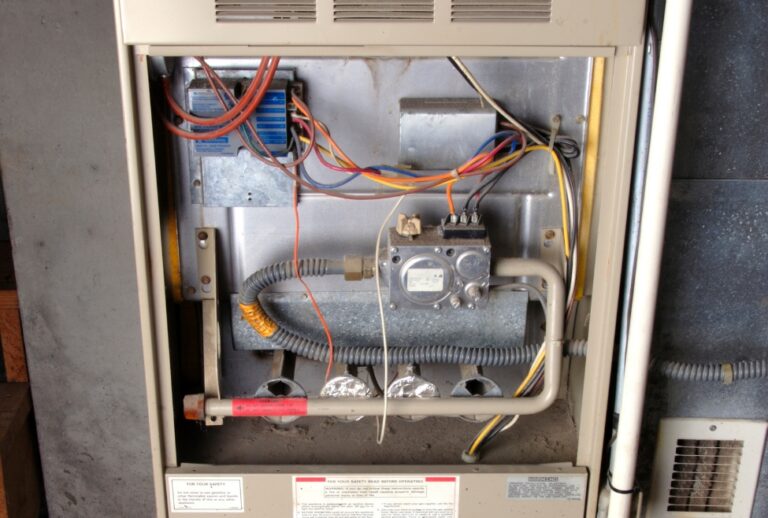 HeatingWhy Does My Furnace Rattle or Rumble When It Starts?A brief rattle as the blower spins up is often a loose panel, screw or duct connection. A rumble or boom as the burners…
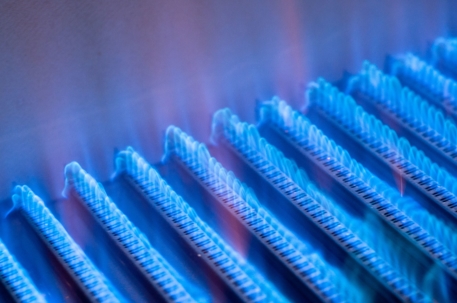 HeatingWhat Color Should a Furnace Flame Be?A gas furnace flame should be mostly blue, sometimes with a small yellow tip. A flame that stays yellow or orange can mean the…
 HeatingWhy Is My Heat Pump’s Outdoor Fan Not Spinning?In winter, a heat pump's outdoor fan that stops for a few minutes while the unit whooshes or steams is usually just a normal…