
 HVAC Systems
 Heating
 Ductwork & Air Flow
 Ventilation
 Filtration
 Dehumidification
 Maintenance
 Mold
Mold Remediation & Restoration
 Pure Maintenance
 Your Home
 Building Science
 Insulation & Envelope
 Health & Safety
Quick answer: The IICRC S520 is a voluntary industry standard of care for professional mold remediation. In Texas, the legal requirements come from the Texas Department of Licensing and Regulation (TDLR) and its Mold Assessment and Remediation Rules, which licensed companies must follow; the S520 is a respected reference used alongside them.
In this guide
What is the IICRC?
The IICRC is the Institute of Inspection, Cleaning and Restoration Certification, a nonprofit that develops standards and training for the cleaning and restoration industry.
If you’ve ever had a mold problem and started searching online, you’ve probably tripped over the acronym. It shows up in contractor conversations, inspection reports and, now and then, from a real estate agent in the middle of a closing.
What is the IICRC S520?
It’s the IICRC’s mold standard, formally the ANSI/IICRC S520 Standard for Professional Mold Remediation. (You’ll sometimes see it called the “R520” by mistake: R520 is the reference guide that goes with it, while the standard itself is the S520.)
A committee of industry professionals writes it. It describes a standard of care for mold remediation: how to evaluate a job, protect workers and occupants, contain the work area, remove contamination and confirm the work was done right.
The IICRC is upfront that no standard can cover every situation, and it revises the S520 from time to time as the industry learns more and new tools and methods arrive.
Is the S520 the law in Texas?
No. The S520 is a voluntary industry standard, and the IICRC doesn’t license contractors or enforce anything. In Texas, that job belongs to the state, which surprises a lot of homeowners.
Here the Texas Department of Licensing and Regulation (TDLR) regulates mold assessment and remediation under the Texas Mold Assessment and Remediation Rules. Those rules set licensing requirements and minimum work practices, and licensed companies must follow them. For projects above the rules’ size threshold (generally 25 contiguous square feet or more of mold):
- A licensed mold assessor evaluates the problem and writes a remediation protocol that spells out the scope of work.
- A licensed mold remediation contractor does the work according to that protocol and a written work plan.
- The assessor and the remediation company must be independent of each other on the same project. Nobody grades their own homework.
- After the work, a post-remediation assessment checks whether the job passed.
Requirements can change, so check TDLR’s website for the current rules, or ask us and we’ll walk you through how they apply to your project.
Can newer mold treatment methods be used under the rules?
Yes, as long as they’re used within the rules and the project’s written protocol. Mold remediation keeps improving, and the IICRC itself encourages professionals to keep up with new developments. In practice that means better testing, better equipment and newer methods that can be part of a project.
New methods don’t replace the rules. A licensed Texas company uses them inside the Texas Mold Assessment and Remediation Rules and the project’s protocol. The S520 stays a respected reference for the standard of care, and good contractors pair it with state requirements, current best practices and the specifics of your house.
Every mold situation is different. The type and extent of growth, the moisture source and how the home is built all shape the right approach.
One thing never changes: the moisture source has to be found and fixed, or the mold is likely to come back. Mold is patient. It will wait for the next slow drain leak.
What should you ask a mold remediation contractor?
- Are you licensed by TDLR, and what is your license number?
- Who is the independent licensed mold assessor on this project?
- Can I see the remediation protocol and work plan?
- How will the moisture source be fixed?
- How will the work be checked when it’s finished?
What does this mean for Texas homeowners?
If you hear “IICRC” or “S520” during a mold project, the contractor is pointing to a respected industry standard of care. The legal requirements in Texas come from TDLR and its Mold Assessment and Remediation Rules. The best result comes from a licensed team that follows the rules, uses sound methods and fixes the moisture problem that caused the mold in the first place.
Gold Eagle is a licensed Texas mold remediation company that handles mold in the HVAC system: the air handler, coil, drain pan and ducts. Mold in walls, attics or belongings goes to a general mold remediation company.
What should you do next?
- Ask any mold contractor for their TDLR license number and the name of the independent licensed assessor.
- Ask to see the remediation protocol and work plan before work starts.
- Check TDLR’s website for the current rules, since requirements can change.
- Find out what is feeding the mold, and book a visit if you need help tracking down the moisture source.
Related guides: Mold Testing: What Each Method Can and Can’t Tell You, Why a “Remediated” Home Can Still Have Mold Problems and Dry Fog Treatment vs. Mold Remediation: What’s the Difference?.
About Gold Eagle Services: This guide comes from the team at Gold Eagle Services, a family-run Austin HVAC, indoor air quality and mold remediation company founded in 2017. We’re licensed (TACLA119235 and RCO1783), insured and bonded, and we serve homes across the greater Austin area.
Need help with this in your home? Learn about our HVAC mold treatment and remediation, or call 512-489-4653 to schedule a visit.
Related Gold Eagle service: HVAC mold remediation
More in Remediation & Restoration
All 8 guides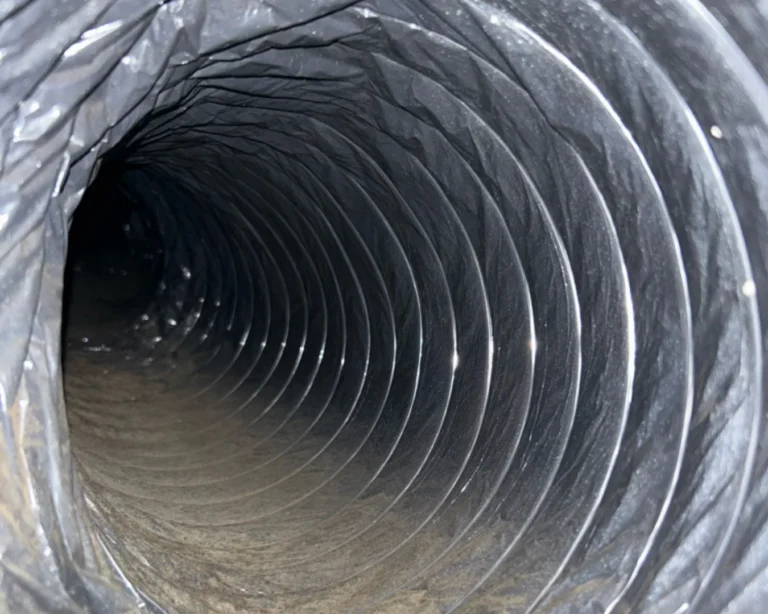 Remediation & RestorationWhat Should a Texas Mold Assessor Check on Your HVAC System?A Texas mold assessment consultant should check the HVAC parts that hold water or move air: drain pan, drain line, coil cabinet, filter, duct…
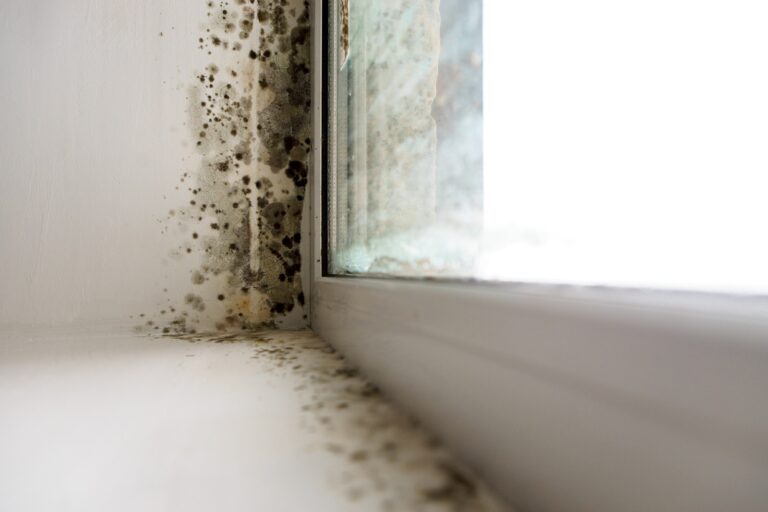 Remediation & RestorationIs It Safe to Stay in Your Home During Mold Remediation?Often yes, for smaller jobs where the work area is sealed off with plastic containment, kept under negative air pressure, and you stay out…
 Remediation & RestorationShould You Run Your AC After Water Damage?Usually yes, if the HVAC equipment and ducts stayed dry. The AC is one of your best tools for drying a Central Texas house,…