
 HVAC Systems
 Heating
 Ductwork & Air Flow
 Ventilation
 Filtration
 Dehumidification
 Maintenance
 Mold
Mold Remediation & Restoration
 Pure Maintenance
 Your Home
 Building Science
 Insulation & Envelope
 Health & Safety
Quick answer: Even a top-tier HVAC system can’t prevent mold on its own, because moisture gets into a home from many places the AC never touches: leaks, showers, cooking, laundry and damp attics or crawl spaces. Stopping mold takes humidity control, ventilation, insulation and air sealing working together, plus quick action when growth appears.
In this guide
Can a good HVAC system prevent mold by itself?
No. A great system can keep the house comfortable straight through a sticky Central Texas summer, and it still isn’t a mold shield. Your AC controls temperature and pulls a lot of water out of the air, but mold runs on moisture, and moisture sneaks in from plenty of places your air conditioner has no say over.
Why does mold prevention take the whole house?
Mold prevention takes the whole house because your home works as one system, and the HVAC is just one part of it. The AC moves air and controls temperature, but the roof, plumbing, exhaust fans, attic and foundation all decide how much water ends up inside. Real moisture control and mold prevention means looking at all of them:
Where does moisture get in?
Water gets in through four main routes, even with perfect temperature control:
- Foundation and ground moisture: After heavy Central Texas rains, moisture can wick up through a slab or rise from the ground into crawl spaces under pier-and-beam houses.
- Poorly ventilated rooms: Bathrooms without strong exhaust fans, and kitchens without good ventilation, can trap a lot of moisture after showers and cooking.
- Attic spaces: Humid air in an unconditioned attic can condense on cooler surfaces, like the ductboard plenum, flex runs and the air handler, and give mold a place to grow.
- Hidden plumbing leaks: Small leaks behind walls or under sinks can keep a spot damp for months, and mold loves a spot nobody looks at.
Why does indoor humidity matter so much?
Indoor humidity matters because mold gets comfortable above about 60% relative humidity. Let humidity creep past 60% and you’ve sent mold an open invitation, even while your AC works perfectly. Common trouble spots:
- Laundry areas: Washing and drying clothes can push humidity up fast if the dryer isn’t vented properly.
- Bathrooms: Hot showers push humidity up when there’s no fan or nobody runs it.
- Kitchens: Long cooking sessions, a simmering pot of chili and the dishwasher all add moisture.
- Crawl spaces: Under pier-and-beam homes, ground moisture can move indoors during humid stretches.
What does a complete mold prevention plan include?
A complete plan puts four things to work alongside your HVAC system: humidity management, ventilation, leak prevention and monitoring.
1. How do you manage indoor humidity?
Manage humidity the way a thermostat manages temperature: measure it and act on it, instead of hoping the AC handles everything.
- Whole-home dehumidifiers: These work alongside your HVAC system to pull extra moisture out of the air throughout the house, holding humidity in the ideal range (typically 30-50%).
- Humidity monitors: An inexpensive digital hygrometer shows your indoor humidity in real time, so you see the numbers climbing.
- Portable dehumidifiers: These give extra support in rooms that stay damp, like a laundry room.
- Seasonal adjustments: Humidity problems shift with the seasons, and in spring and fall the AC may barely run, so your approach may need to change.
2. What kind of ventilation helps prevent mold?
The ventilation that helps sends moist air outside right where it’s made:
- Bathroom exhaust fans: Make sure they’re properly sized, vented to the outside (not just into the attic), and actually used during and after showers.
- Kitchen ventilation: Use a range hood that vents outdoors to remove moisture and cooking byproducts.
- Attic ventilation: Proper attic ventilation (such as ridge and soffit vents) helps clear out hot, humid air that can lead to condensation and mold on rafters and insulation.
- Crawl space ventilation: In pier-and-beam homes, good crawl space ventilation can help clear stagnant, humid air from under the floor.
3. How do you catch leaks before they cause mold?
You catch leaks by looking for them on purpose, because small ones stay hidden until they’ve done real damage:
- Regular inspections: Check your roof, plumbing fixtures, appliance hoses (washing machine, dishwasher, refrigerator) and around windows and doors for signs of water getting in.
- Leak detectors: Smart leak detectors can alert you to water in the places that matter most.
- Professional help: If you suspect a hidden leak, a professional can use tools like thermal imaging to find the source.
- Fast repairs: Fix any water intrusion or plumbing leak right away, no matter how small it looks.
4. How can you monitor your indoor air?
You can monitor your indoor air with a mix of home sensors and professional checks:
- Professional assessments: An HVAC or indoor air quality professional can assess your home and recommend fixes for its particular problems.
- Home air quality monitors: Affordable sensors can track humidity, VOCs and particulate matter, so you can see what’s going on in your home’s air.
- Mold testing: If you suspect a problem, an independent licensed mold assessor can test the air and surfaces to confirm the presence and type of mold.
What should you do when mold appears?
Act quickly, and call the right kind of professional for where the mold is. If you find visible mold or suspect a hidden problem:
- Get it assessed: In Texas, mold testing is done by an independent licensed mold assessor, who maps how far the growth goes.
- Match the remediator to the spot: Mold in the AC system or ductwork is HVAC mold, which Gold Eagle handles. Mold in walls, attics or belongings goes to a general mold remediation company.
- Fix the cause: The underlying moisture problem must be found and corrected, or the mold will come back.
- Prevent a repeat: Put the recommended preventive steps in place afterward.
- Keep watching: Track humidity so you know if conditions start sliding back.
How do you keep a Central Texas home mold-resistant?
Keep it dry, year after year. That takes more than the right thermostat setting:
- Regular maintenance of all home systems, including HVAC, plumbing and ventilation.
- Prompt attention to every moisture issue, even the minor ones.
- Professional help from people who know HVAC, insulation and humidity.
- Steady monitoring and adjusting as the seasons and your home change.
A dry, mold-resistant home comes from managing moisture, ventilation and indoor air quality together. Get those working as a team and your Central Texas house has a lot less to offer mold.
Mold in your AC system or ductwork, or humidity you can’t get under control? Call Gold Eagle Services, a licensed Texas mold remediation company that handles HVAC mold, at 512-489-4653.
What should you do next?
- Put a digital hygrometer in the house and keep indoor humidity below 60%, ideally 30-50%.
- Run bathroom fans during and after showers, and use a range hood that vents outdoors.
- Check under sinks, around appliance hoses and at windows and doors for signs of water, and fix leaks right away.
- Book a Gold Eagle visit if you find mold in the AC system or ductwork, or keep seeing humidity climb.
Related guides: Indoor Air Quality Beyond Mold: Dust, VOCs, Filtration and Upkeep, Best Practices for Mold Prevention in Your HVAC System and Building Science Best Practices for Mold Prevention.
About Gold Eagle Services: This guide comes from the team at Gold Eagle Services, a family-run Austin HVAC, indoor air quality and mold remediation company founded in 2017. We’re licensed (TACLA119235 and RCO1783), insured and bonded, and we serve homes across the greater Austin area.
Need help with this in your home? Learn about our HVAC mold treatment and remediation, or call 512-489-4653 to schedule a visit.
Related Gold Eagle service: HVAC mold remediation
More in Mold
All 17 guides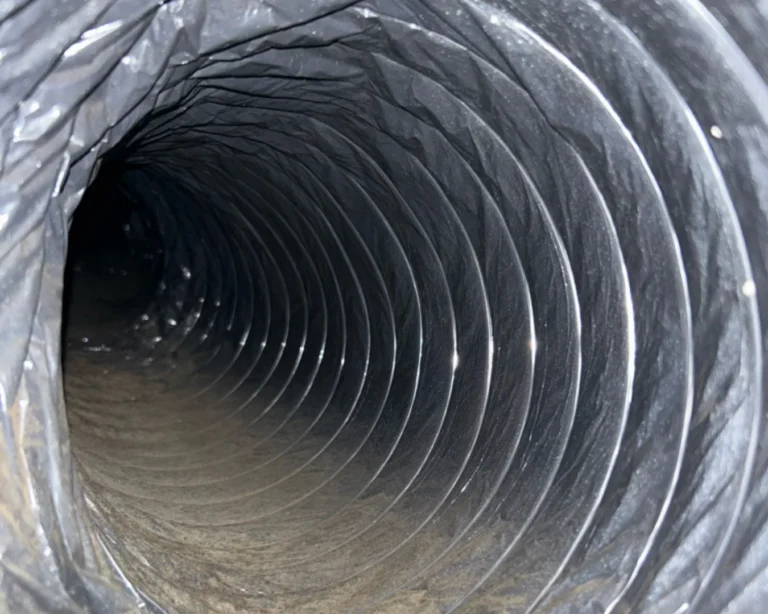 MoldWhat Should a Texas Mold Assessor Check on Your HVAC System?A Texas mold assessment consultant should check the HVAC parts that hold water or move air: drain pan, drain line, coil cabinet, filter, duct…
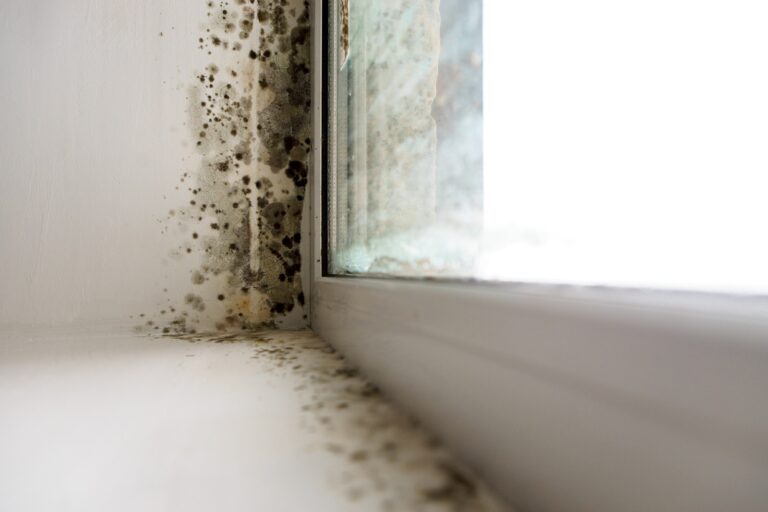 MoldIs It Safe to Stay in Your Home During Mold Remediation?Often yes, for smaller jobs where the work area is sealed off with plastic containment, kept under negative air pressure, and you stay out…
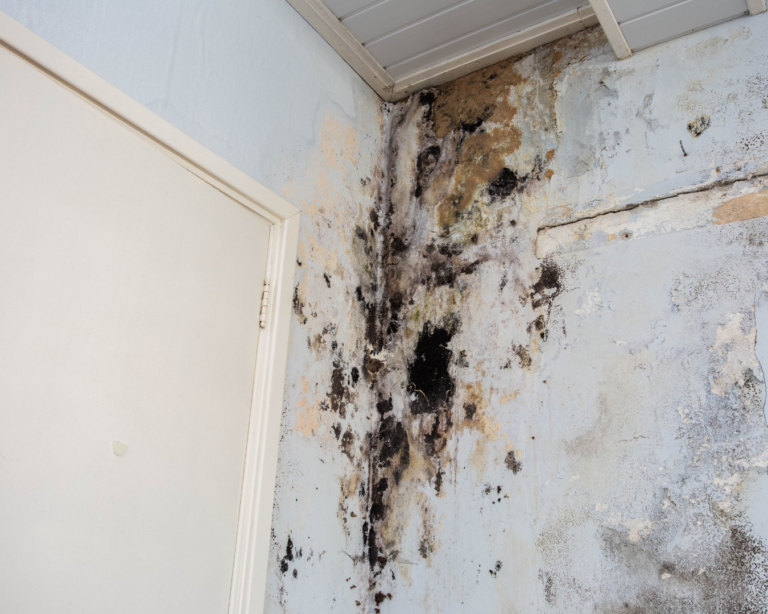 MoldWhat to Do in the First 48 Hours After a Water LeakStop the water, make the area safe around electricity, take photos, then get everything drying fast. The EPA says wet materials dried within 24…