
 HVAC Systems
 Heating
 Ductwork & Air Flow
 Ventilation
 Filtration
 Dehumidification
 Maintenance
 Mold
Mold Remediation & Restoration
 Pure Maintenance
 Your Home
 Building Science
 Insulation & Envelope
 Health & Safety
Quick answer: Ductwork has to be sized to match your HVAC system. Undersized ducts choke airflow, strain the equipment and whistle; oversized ducts move air too slowly, leave rooms uneven and can hurt humidity control. Right-sized ducts give you balanced airflow, lower energy use and less wear on the system.
In this guide
Why does duct size matter so much?
Because your system can only deliver the air your ducts can carry. Duct size is one of the biggest factors in how efficient, comfortable and long-lived a heating and cooling system is. Goldilocks had it right: too small is one problem, too big is another, and you want it just right.
Most homeowners never see their ducts. In Austin they’re usually up in the attic, a ductboard plenum on the air handler feeding flex runs to each room, sized once by whoever built the house and never questioned again. Here’s what happens when that sizing is off, in either direction.
What happens when ductwork is too small?
Undersized ducts are one of the most common causes of a system that runs all day and still can’t keep up. When ducts are too small, the blower can’t push enough air through them, and the problems pile up:
- Uneven comfort: Picture breathing through a coffee stirrer; that’s your blower with undersized ducts. Rooms at the end of the line don’t get enough air, so they stay too hot or too cold no matter what the thermostat says.
- An overworked system: The system runs longer and more often trying to reach the setting. That puts extra wear on the blower motor and compressor, which can mean more repairs and a shorter equipment life.
- Higher energy bills: A system that runs longer and harder uses more energy, and you feel it on your electric bill, especially in August.
- Noise: Air forced through tight ducts at high speed often whistles, hums or rattles, especially at the registers.
- Pressure problems and leaks: High pressure in the duct system strains joints and connections, and leaks waste conditioned air before it reaches your rooms. There’s also a safety angle: leaky return ducts near a gas furnace or water heater can depressurize that space and pull combustion gases, including carbon monoxide, back into the house. This is called backdrafting. If you have gas appliances, have your ducts and venting checked, and keep your carbon monoxide alarms working.
What happens when ductwork is too big?
Bigger isn’t better. Oversized ducts slow the air down, and slow air causes its own set of problems:
- Uneven temperatures: Air loses its push by the time it reaches the far rooms, so those rooms stay stubbornly warm in summer and cool in winter.
- Humidity trouble: Oversized ducts can let the blower move more air across the indoor coil than it’s set up for, and a coil with air rushing across it runs warmer and removes less moisture. In a Central Texas summer, that means a house that’s cool but clammy. Humidity that stays high makes mold and mildew more likely, which hurts indoor air quality and can damage the house.
- Weak air at the vents: Slow air leaves the registers without enough force to mix the room, so you get stuffy corners and a room that never feels quite right. Bigger ducts also put more duct surface in a hot attic, soaking up heat along the way.
What does properly sized ductwork get you?
Balanced airflow, lower energy use and a quieter system that lasts longer. Here’s why “just right” matters:
- Balanced airflow: Each room gets the air it was designed for, which evens out hot and cold spots.
- Better efficiency: The system runs without extra strain, so it uses less energy and wears more slowly.
- Better indoor air quality: Correct sizing lowers the risk of leaks, pressure imbalances and moisture buildup, so your system can filter the air and control humidity the way it should.
- Quiet operation: Air moves at a sensible speed, so registers don’t whistle and ducts don’t rattle.
What else goes into a well-designed duct system?
Sizing is the big one, but a few other details make a real difference:
- Air sealing: Every duct connection is sealed with mastic or tape so cooled air doesn’t leak out and attic air doesn’t leak in.
- Insulation: Ducts in unconditioned spaces like attics and crawl spaces need proper insulation to hold the air’s temperature. In an Austin attic that tops 130°F in July, that’s not optional.
- Attic baffles and recessed light covers: Baffles keep insulation from blocking the soffit vents, and sealed covers over recessed lights stop conditioned air from escaping into the attic.
Duct size isn’t a minor detail. Too big or too small, the wrong size means poor performance, higher bills and rooms that never get comfortable. At Gold Eagle Services, we evaluate duct systems, check whether the sizing matches the equipment and fix what needs fixing; see our ductwork services.
What should you do next?
- Walk the house with the system running, and note rooms that stay too hot, too cold or stuffy.
- Listen at the registers for whistling or rattling.
- Test your carbon monoxide alarms if you have gas appliances.
- Book a visit to check whether your duct sizing matches your equipment.
Related guides: What is a Duct System (and Why Plenum Size Matters Most) for Your Central Texas Home, Understanding Your Home’s Duct System: The Key to Efficient Heating and Cooling in Central Texas and Smart HVAC Design: Manual J, D & S Explained.
About Gold Eagle Services: This guide comes from the team at Gold Eagle Services, a family-run Austin HVAC, indoor air quality and mold remediation company founded in 2017. We’re licensed (TACLA119235 and RCO1783), insured and bonded, and we serve homes across the greater Austin area.
Need help with this in your home? Learn about our ductwork design, sealing and replacement, or call 512-489-4653 to schedule a visit.
Related Gold Eagle service: AC repair in Austin
More in Ductwork & Air Flow
All 19 guides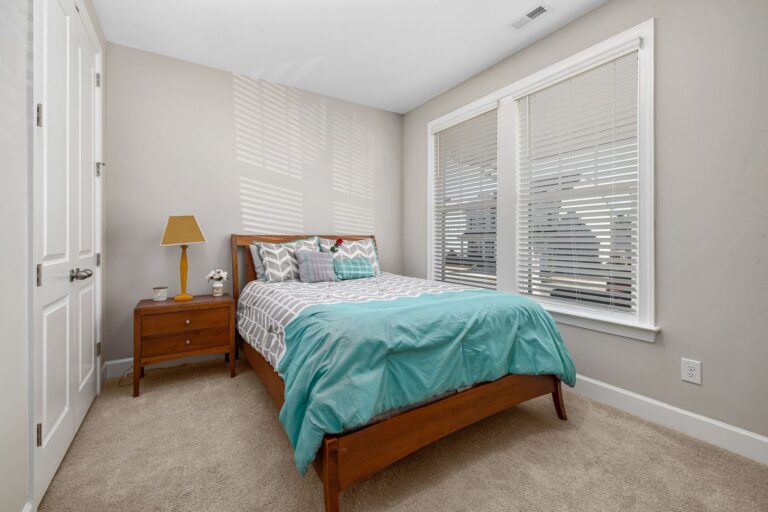 Ductwork & Air FlowWhy Is One Room Hotter Than the Rest of the House?One room runs hotter when it gains more heat than its air supply can carry away. Usual causes: afternoon sun on west or south…
 Ductwork & Air FlowDoes Closing Vents in Unused Rooms Save Money?Usually not. With central air, closing vents in unused rooms doesn't make the blower move less air. It raises duct pressure and pushes more…
 Ductwork & Air FlowHow Do You Increase Airflow to One Room?Start with free checks: the register fully open and unblocked, a clean filter, and a path for air back to the return (compare the…