
 HVAC Systems
 Heating
 Ductwork & Air Flow
 Ventilation
 Filtration
 Dehumidification
 Maintenance
 Mold
Mold Remediation & Restoration
 Pure Maintenance
 Your Home
 Building Science
 Insulation & Envelope
 Health & Safety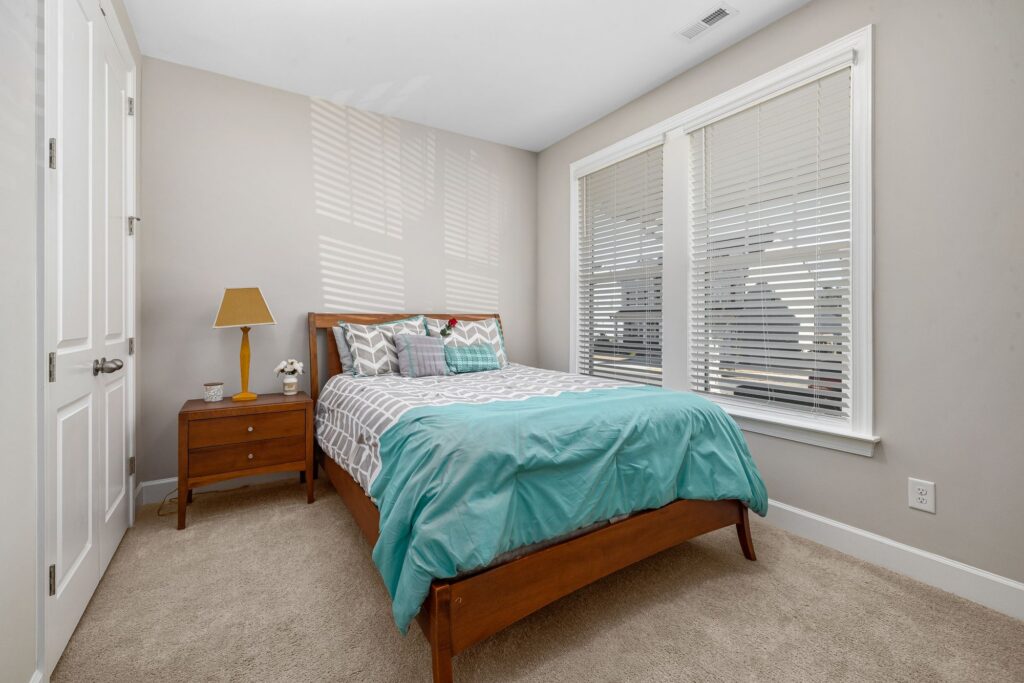
Quick answer: One room runs hotter when it gains more heat than its air supply can carry away. The usual causes are strong afternoon sun through west or south windows, a room over the garage or under thin attic insulation, a weak or leaky duct to that room, no return path when the door is closed, or distance from the thermostat. Often two of these team up.
In this guide
Is it an airflow problem or a heat problem?
Check the register first. Run the AC for 15 minutes, then hold a kitchen thermometer in the airstream at the hot room’s register and at a register in a comfortable room. Strong, cold air in the hot room means the room is gaining extra heat. Weak air, or air several degrees warmer, points to the duct.
What makes one room gain extra heat?
- Afternoon sun. West-facing windows in an Austin summer pour heat into a room from about 3 p.m. until sunset.
- A bonus room over the garage. It sits over a hot garage, with attic on several sides and short knee walls that often have spotty insulation.
- Upstairs rooms. They sit right under the attic and collect the heat that rises from downstairs.
- Thin attic insulation or air leaks over the room, such as recessed lights and an attic hatch. See what R-value attic insulation you need in Austin.
- Heat sources inside. A gaming PC, a home office full of electronics or a wall of TVs adds up fast.
What duct problems make one room hot?
Weak or warm air at the register usually traces back to the attic, where most Austin ducts run as flex duct off a ductboard plenum. The run to that room may be long, sagging, crushed, undersized or partly disconnected. Even a sound run picks up heat if it’s poorly insulated and snakes a long way through an attic at 130°F.
Is the room fine with the door open and warm with it shut? Then the missing piece is a return path, a way for air to get back to the system. See why rooms get hot when you close the door.
Why doesn’t turning the thermostat down fix it?
Because the thermostat only reads the air in the hallway. Turning it down makes the whole system run longer, so the rest of the house gets cold while the hot room improves only a little. The imbalance stays, and you pay to cool every other room past comfortable.
What fixes actually work?
Match the fix to the cause:
- Sun: add solar screens, exterior shades or good interior blinds on west and south glass.
- Envelope: air seal and insulate the attic over that room.
- Ducts: measure airflow, then repair, resize or rebalance the run. See duct system optimization.
- Pressure: add a transfer grille, jumper duct or dedicated return.
- Very different loads: give a room like a bonus room its own ductless unit (pairing a mini-split with central HVAC).
A ceiling fan makes the people in the room feel cooler, but it doesn’t cool the room itself. Turn it off when you leave.
If the airflow check points to the ducts, that’s work Gold Eagle does across the Austin area: our ductwork team can measure airflow to that room and repair, reseal or rebalance the run.
What should you do next?
- Compare the air at the hot room’s register with a comfortable room’s, using a kitchen thermometer after 15 minutes of cooling.
- Test the room with the door open, then shut, and note the difference.
- Close blinds or shades on west and south windows in the afternoon.
- If the air at the register is weak or warm, book a visit so a technician can measure airflow to that room.
Related guides: Why Rooms Get Hot When You Close the Door: Return Air and Pressure Balance, Pairing a Mini-Split With Your Central HVAC System and What R-Value Attic Insulation Do You Need in Austin?
About Gold Eagle Services: This guide comes from the team at Gold Eagle Services, a family-run Austin HVAC, indoor air quality and mold remediation company founded in 2017. We’re licensed (TACLA119235 and RCO1783), insured and bonded, and we serve homes across the greater Austin area.
Need help with this in your home? Learn about our ductwork design, sealing and replacement, or call 512-489-4653 to schedule a visit.
Related Gold Eagle service: AC repair in Austin
More in Ductwork & Air Flow
All 19 guides Ductwork & Air FlowDoes Closing Vents in Unused Rooms Save Money?Usually not. With central air, closing vents in unused rooms doesn't make the blower move less air. It raises duct pressure and pushes more…
 Ductwork & Air FlowHow Do You Increase Airflow to One Room?Start with free checks: the register fully open and unblocked, a clean filter, and a path for air back to the return (compare the…
 Ductwork & Air FlowMoisture From Below: Slab and Pier-and-Beam Homes in Central TexasGround moisture reaches Austin homes two ways: as vapor moving up through concrete slabs, and as humid outdoor air flowing through vented crawlspaces under…