
 HVAC Systems
 Heating
 Ductwork & Air Flow
 Ventilation
 Filtration
 Dehumidification
 Maintenance
 Mold
Mold Remediation & Restoration
 Pure Maintenance
 Your Home
 Building Science
 Insulation & Envelope
 Health & Safety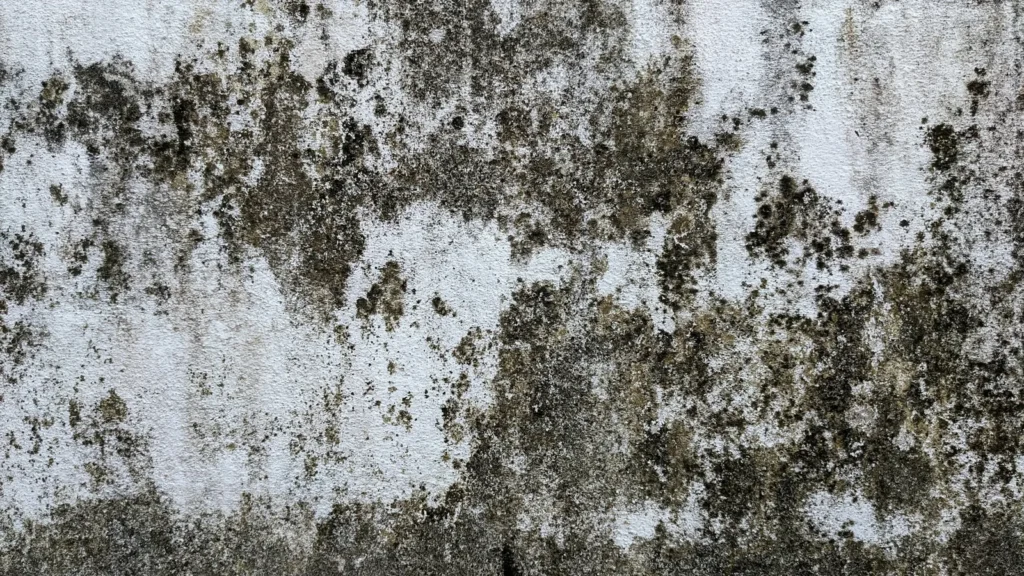
Quick answer: Mold can grow unnoticed in a home for years because it usually starts small and out of sight: inside a wall after a slow leak, in the attic, or on a damp coil or drain pan in the HVAC system. The clues are moisture, a musty smell and changes on your air filter. Finding and fixing the moisture source is the first step to getting rid of it.
In this guide
- Can mold really hide in a house for years?
- What if you think mold is affecting how you feel?
- Why does mold go unnoticed?
- What are the signs of hidden mold in a house?
- Where does hidden mold start?
- What can your air filter tell you about mold?
- What should you do if you suspect hidden mold?
- What should you do next?
Can mold really hide in a house for years?
Yes. In plenty of Central Texas homes, mold sits quietly in attics, wall cavities or HVAC equipment long before anyone knows it’s there. Nobody peers inside a wall or under an attic air handler for fun, and mold is happy to grow where no one looks.
What if you think mold is affecting how you feel?
Talk to your doctor. People react to mold differently, and health questions belong with a medical professional, not an HVAC company. What we handle is the house side: tracking down moisture and removing mold from your AC system and ducts. Testing is a job for an independent licensed mold assessor.
Why does mold go unnoticed?
It usually starts small and out of sight. A slow leak inside a wall, a damp corner of the attic, or a wet coil or drain pan in the HVAC system can all grow mold with no visible spots in the living space and only a faint smell. That’s easy to live with for years without realizing what it is.
Then small problems grow. A drip becomes a real leak, a drain line clogs, or indoor humidity creeps up over a long Austin summer, and mold that was barely there spreads.
What are the signs of hidden mold in a house?
The most common clue is your nose. Hidden mold rarely announces itself with a big visible patch, so watch for these instead:
- A musty smell that keeps coming back, especially in one room or when the AC kicks on.
- Stains or discoloration on ceilings or walls, particularly near bathrooms, windows or where ducts run.
- Bubbling paint or soft, warped drywall, which usually means water is getting in behind it.
- A damp, clammy feel in the house even with the air conditioner running.
None of these proves there’s mold, but each one says moisture is somewhere it shouldn’t be, and that’s worth checking.
Where does hidden mold start?
Wherever there’s moisture. Mold needs water to grow, so any unwanted water in or around your HVAC system is a red flag. Watch for:
- Water droplets or condensation that keep forming on or around vents.
- Puddles or wet spots near your indoor HVAC unit.
- Damp spots or discoloration on walls or ceilings near where ducts run.
- Heavy condensation on windows and other surfaces inside your home.
- Standing water in the drain pan that doesn’t clear, or a pan that overflows.
Pro tip: Check your system’s drain pan and condensate line (the pipe that carries AC water outside) regularly, especially during heavy AC use in our humid summers. A healthy system drains its water away and stays fairly dry. A pan that’s always wet is a pan that’s growing something.
What can your air filter tell you about mold?
More than you’d think. The filter’s job is to catch airborne particles, but it can also tip you off to mold in or near the system.
Give it a quick look every time you change it. Watch for:
- Visible growth: Black, green or fuzzy spots on the filter, not just the usual gray dust.
- Musty smell: A filter or return grille that smells musty or damp.
- Moisture: A filter that’s damp or water-stained, which can point to a drainage or humidity problem nearby.
What to do: If you see any of these, don’t just swap the filter and move on. Have the system checked for the moisture source.
What should you do if you suspect hidden mold?
Find the moisture first, then get the mold properly removed. Health questions go to your doctor. On the house side, fixing the water, removing the mold and keeping the air dry leave you with a cleaner, drier home.
A few practical steps:
- Better filtration: Use a good-quality filter or air purifier, and change filters on schedule.
- Humidity control: Keep indoor humidity in check, especially through the long, sticky Central Texas summer.
- Drain line care: Keep your condensate line and drain pan clear so water doesn’t sit in the system.
- Professional help: Have Gold Eagle, a licensed Texas mold remediation company, check your AC system and ducts for moisture and HVAC mold. Mold in walls or the attic goes to a general mold remediation company.
Mold that’s gone unnoticed for years can still be found and fixed. Catching moisture problems early is the best way to keep mold from taking hold in your Central Texas home.
What should you do next?
- Next time the AC kicks on, notice whether one room or the return grille smells musty.
- When you change the filter, look at the old one for dark or fuzzy spots or dampness.
- If you can reach it safely, check the drain pan under the indoor unit for standing water.
- If you find any of these signs, book a visit to track down the moisture source.
Related guides: Mold Sensitivity vs. Mold Allergy: Understanding the Difference for Your Central Texas Home, Warning Signs of Mold in Your HVAC System (And What to Do About It) and Mold Testing: What Each Method Can and Can’t Tell You.
About Gold Eagle Services: This guide comes from the team at Gold Eagle Services, a family-run Austin HVAC, indoor air quality and mold remediation company founded in 2017. We’re licensed (TACLA119235 and RCO1783), insured and bonded, and we serve homes across the greater Austin area.
Need help with this in your home? Learn about our HVAC mold treatment and remediation, or call 512-489-4653 to schedule a visit.
Related Gold Eagle service: HVAC mold remediation
More in Mold
All 17 guides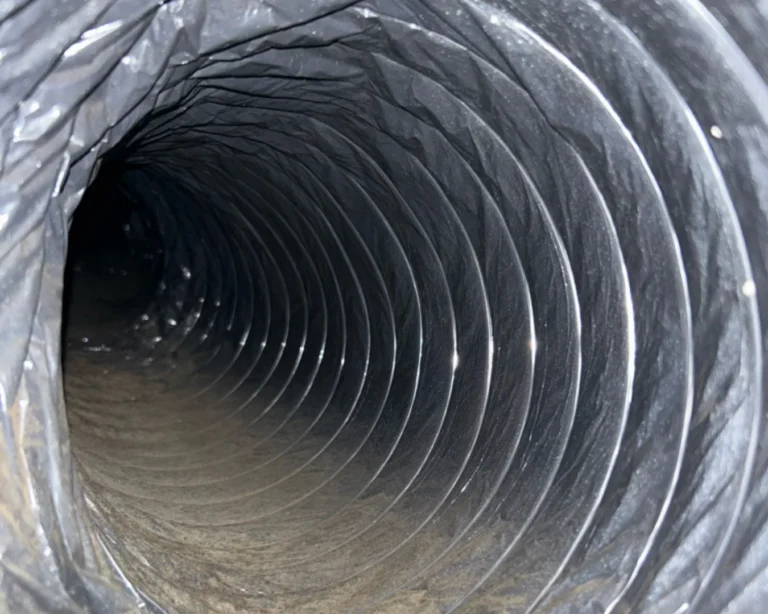 MoldWhat Should a Texas Mold Assessor Check on Your HVAC System?A Texas mold assessment consultant should check the HVAC parts that hold water or move air: drain pan, drain line, coil cabinet, filter, duct…
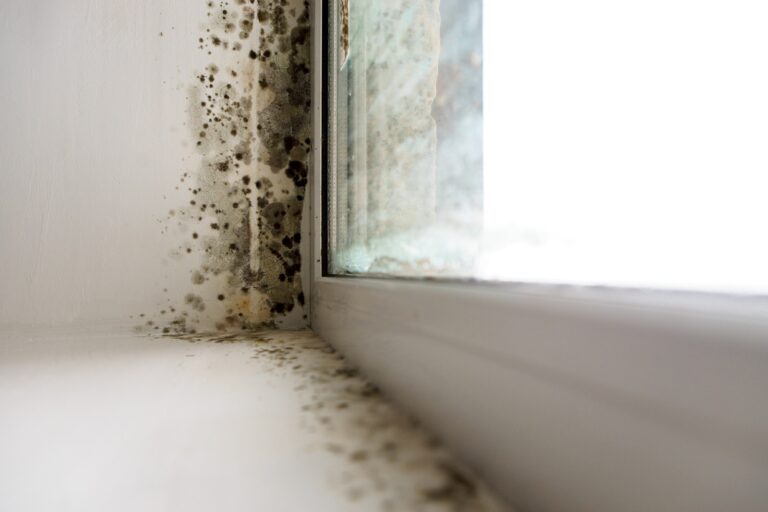 MoldIs It Safe to Stay in Your Home During Mold Remediation?Often yes, for smaller jobs where the work area is sealed off with plastic containment, kept under negative air pressure, and you stay out…
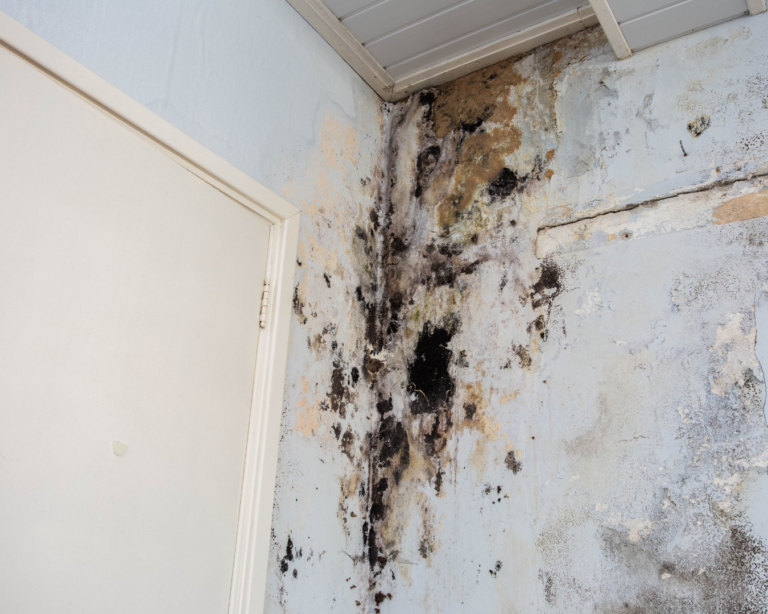 MoldWhat to Do in the First 48 Hours After a Water LeakStop the water, make the area safe around electricity, take photos, then get everything drying fast. The EPA says wet materials dried within 24…