
 HVAC Systems
 Heating
 Ductwork & Air Flow
 Ventilation
 Filtration
 Dehumidification
 Maintenance
 Mold
 Remediation & Restoration
 Your Home
 Building Science
 Insulation & Envelope
 Health & Safety
 Case Study
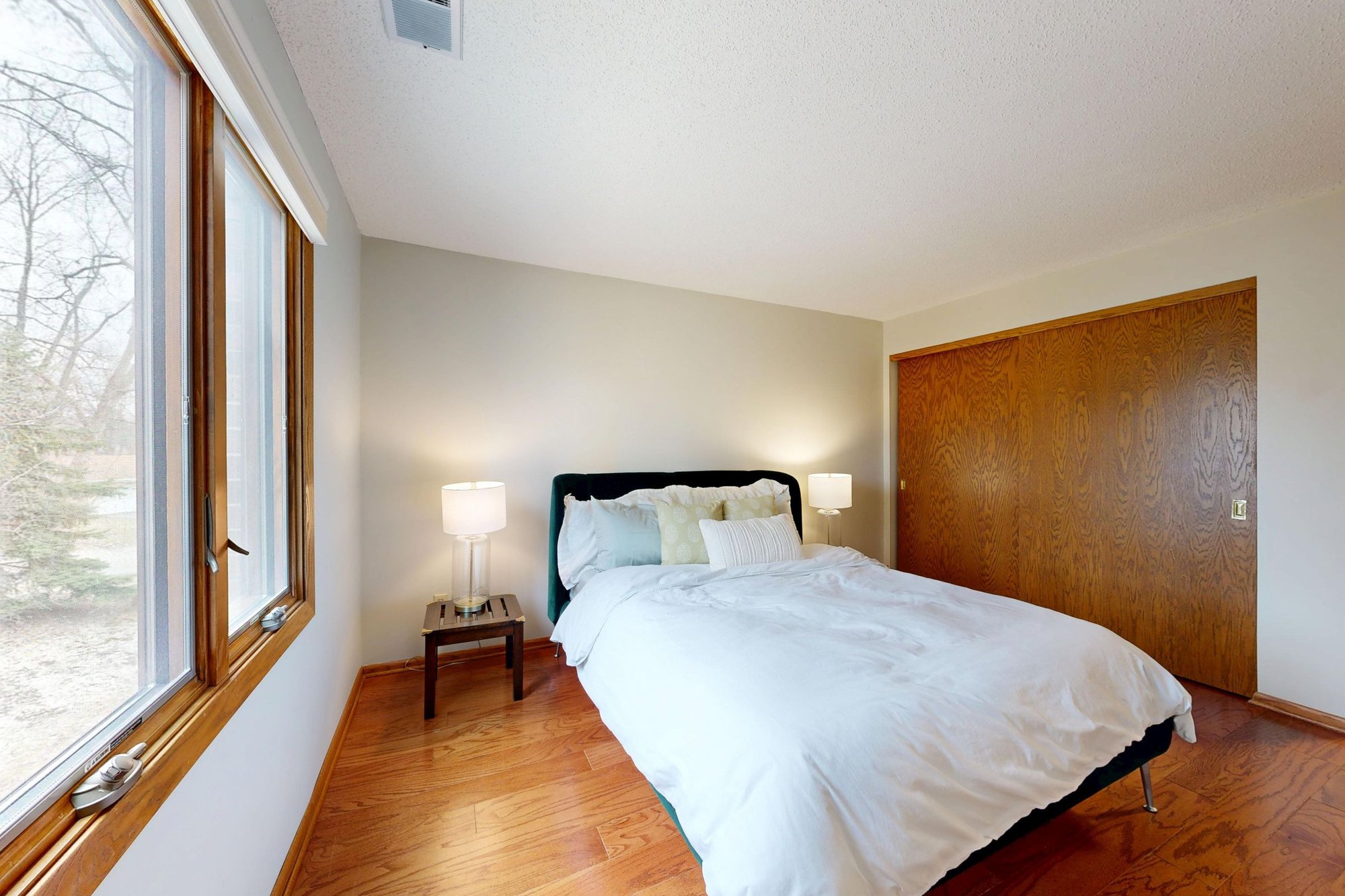
Quick answer: Closets smell musty when still air and extra moisture meet: a closed door, a shut vent, damp clothes or shoes and high indoor humidity. Open the vent, give the closet some air and keep the house near 50% humidity. A smell that stays after that, or one stronger along one wall, can mean a leak or mold.
In this guide
- Why do closets smell musty in the first place?
- Does closing the closet vent or door make it worse?
- Why do closets on outside walls smell worse?
- Does how you store things in a closet matter?
- How do you get rid of a musty closet smell?
- When does a musty closet mean moisture or mold?
- What if every closet in the house smells musty?
- What should you do next?
Why do closets smell musty in the first place?
Because a closet is a small room where the air barely moves. The door stays shut most of the day, and many closets have a small supply vent or none at all. Whatever moisture drifts in, or gets carried in on a damp towel, just sits there.
Fabric, carpet, cardboard and leather soak up that moisture and the odors that come with it. That’s the “closet-y” smell on clothes that went in clean.
Central Texas adds its own twist. Our cooling season runs from spring well into fall, and indoor humidity that creeps above 60% shows up in closets first, since they’re the last place conditioned air reaches.
Does closing the closet vent or door make it worse?
Yes. Many walk-in closets have their own supply vent, and it’s tempting to close it to push more cool air into the bedroom. It barely helps the bedroom and leaves the closet with no conditioned air at all. The closet then warms up and stays humid while the rest of the house dries out.
Fixes that work:
- Open the closet vent. If the closet runs cold, partly close it rather than shutting it.
- Leave the door open for a few hours a day or overnight.
- Mind the gap. A door that seals tight against thick carpet traps air. About a half inch under the door helps.
- Consider louvered doors on hall, linen and laundry closets. The slats let air through even when they’re closed.
If the bedroom door stays shut too, the whole room gets less airflow, closet included. A transfer grille (a vent through the wall) or jumper duct (a short duct through the attic) gives the room a way to return air to the hallway, and an HVAC contractor can add one.
Why do closets on outside walls smell worse?
Because outside walls run at a different temperature than the rest of the house, and they’re where outdoor water can get in. In winter the inside of an outside wall runs cooler, and the air right against a cool surface is damper. Any time of year, a small leak around a window, siding or flashing shows up first as a damp spot in the closet behind it, where nobody looks.
Closets have other neighbors to watch, too:
- A shared wall with a bathroom, where a slow plumbing leak can soak the drywall.
- A ceiling under an attic duct, which can sweat in humid weather and drip onto the ceiling below. See why vents and ducts sweat.
- An HVAC closet with an air handler, where a clogged drain or overflowing pan can wet the floor.
Pull clothes and boxes a few inches off outside walls so air can move behind them, and look at that wall once in a while.
Does how you store things in a closet matter?
Yes, more than most people expect. How you pack a closet decides whether air can move through it at all.
- Leave space between hangers. Crammed clothes stay damp in the middle.
- Put away only dry things. One damp towel, a wet gym bag or rain-soaked shoes will scent everything near them, so let shoes air out first.
- Swap cardboard for lidded plastic or open fabric bins. Cardboard soaks up moisture and holds odors.
- Skip plastic dry-cleaning bags for long-term storage. They trap moisture against the fabric; a breathable cotton garment bag works better.
- Keep the floor clear so the gap under the door can do its job.
A small hygrometer from a hardware store tells you what’s actually happening. Aim for 50% humidity in the closet, and no higher than 60%.
How do you get rid of a musty closet smell?
Dry it out, clean it, then give it air, in this order:
- Empty the closet and leave the door and vent open for a day.
- Vacuum the floor, shelves and trim, and wipe shelves and rods with a mild cleaner. Let everything dry fully.
- Wash or air out the clothes before they go back in.
- Put back less. A closet with room to breathe stays fresher.
- Add a moisture absorber (a hardware-store tub of drying crystals) for a closet that stays damp, and check the hygrometer after a week.
If the smell comes back within days, the source is still there. That’s usually either high humidity in the whole house or water somewhere you haven’t found yet.
When does a musty closet mean moisture or mold?
When the smell doesn’t go away after you’ve cleared the closet and dried it out. A musty smell that stays, or gets stronger along one wall, points to hidden moisture. Other signs:
- Stains, bubbling paint or soft spots on the drywall or ceiling.
- Damp carpet or warped trim along the floor.
- Fuzzy spots on leather shoes, belts or bags, which pick up mold easily in humid closets.
- Visible spots on the wall behind stored items.
Don’t just bleach it and shut the door. Find and fix the water first.
In Texas, mold testing is done by a licensed mold assessor, and the same company can’t do both the assessment and the remediation on one project. Gold Eagle is a licensed mold remediation company (RCO1783) for mold in the HVAC system, such as the air handler, coil and ducts; we don’t do testing, and mold in walls, clothes or closets goes to a general mold remediation company. Our guide to mold testing methods explains what testing can and can’t tell you.
What if every closet in the house smells musty?
Then the problem is the whole house, not the closets. The usual suspects:
- Indoor humidity above 55-60% for weeks at a time.
- An oversized AC that cools fast, shuts off and doesn’t run long enough to pull moisture out.
- A dirty filter, coil or ducts spreading dust and odor.
- Leaky return ducts pulling in humid attic air.
The fix is on the HVAC side: a system that’s sized and set up to control humidity, and a whole-home dehumidifier if the AC alone can’t keep up. Gold Eagle’s technicians diagnose humidity problems and install whole-home dehumidifiers across the Austin area; see our indoor air quality services.
What should you do next?
- Open the closet vent and door, and pull stored things off outside walls.
- Put a hygrometer in the worst closet for a week.
- If the smell stays after a cleanout, look for water and have it checked.
- If the whole house runs above 60%, schedule a Gold Eagle visit to check your AC and humidity control.
Related guides: What Indoor Humidity Level Should You Keep in an Austin Home?, Why Is My House Humid Even With the AC Running? and How Furniture, Rugs and Closets Affect Your Home’s Airflow.
About Gold Eagle Services: This guide comes from the team at Gold Eagle Services, a family-run Austin HVAC, indoor air quality and mold remediation company founded in 2017. We’re licensed (TACLA119235 and RCO1783), insured and bonded, and we serve homes across the greater Austin area.
Need help with this in your home? Learn about our indoor air quality services, or call 512-489-4653 to schedule a visit.
Related Gold Eagle service: HVAC mold remediation
More in Mold
All 18 guides MoldMusty Smell, Dust or Sticky Air: Who Should You Call?Stop any water first: a plumber handles leaks and sewer smells, a roofer handles roof leaks. Call an HVAC company for humidity, weak airflow,…
 MoldWhat Should a Texas Mold Assessor Check on Your HVAC System?A Texas mold assessment consultant should check the HVAC parts that hold water or move air: drain pan, drain line, coil cabinet, filter, duct…
 MoldIs It Safe to Stay in Your Home During Mold Remediation?Often yes, for smaller jobs where the work area is sealed off with plastic containment, kept under negative air pressure, and you stay out…