
 HVAC Systems
 Heating
 Ductwork & Air Flow
 Ventilation
 Filtration
 Dehumidification
 Maintenance
 Mold
Mold Remediation & Restoration
 Pure Maintenance
 Your Home
 Building Science
 Insulation & Envelope
 Health & Safety
Quick answer: Good airflow means conditioned air can reach every part of a room and get back to your HVAC system without being blocked. When furniture, drapes, rugs or closed closet doors get in the way, you can get uneven temperatures, damp pockets and extra strain on the system. A few simple habits, plus well-designed, sealed ductwork, fix most of it.
In this guide
- Why does airflow matter so much in a Central Texas home?
- Can furniture, drapes and registers really affect airflow?
- Why do closets get musty, and how do you fix it?
- Do rugs and flooring affect airflow and moisture?
- What about the space behind appliances and built-ins?
- Could the problem be in the ductwork instead?
- What should you do next?
Why does airflow matter so much in a Central Texas home?
Your AC is built to move a set amount of air, and here it runs most of the year. Most Austin-area homes sit on a slab with the air handler and ducts up in the attic. The system is designed to push a certain volume of air out every supply register and pull it back through the returns.
Block or squeeze that path and rooms cool unevenly, humidity builds up in pockets and the equipment works harder than it should. Airflow is invisible, so it’s easy to ignore. The good news: many airflow problems come from everyday choices in the living space, and they’re easy to fix once you know what to look for.
Can furniture, drapes and registers really affect airflow?
Yes. A couch shoved against a return grille or heavy drapes hanging over a wall register can change how air moves through the whole room. Those small obstructions create stagnant zones where air barely circulates.
Stagnant zones matter because humidity can climb locally. Say cool air from a register gets trapped behind drapes. It can chill the nearby wall or window frame, and on a sticky Texas day that cold surface collects condensation. Keep that up day after day on a sill or the drywall around it, and you can end up with mold.
The habit to build: leave at least a few inches of clearance around supply registers and return grilles, and glance at them now and then for anything that’s crept in front. That helps air mix evenly and cuts the odds of damp or overly cold spots.
Small stuff, but it makes a bigger point: for comfort and moisture, where the air goes matters as much as how cold it is.
Why do closets get musty, and how do you fix it?
Closets are small, closed boxes with almost no airflow. They’re also one of the most common places homeowners find mold, usually behind stored clothes or on shelves.
Solid doors limit circulation, and packed hangers and boxes restrict it further. A closet on an exterior wall adds another problem: the temperature difference between inside and out can encourage condensation. Over time, humidity in a closed closet creeps up, and clothes, shoes and cardboard boxes soak up that moisture and can support mold.
The fixes are simple:
- Consider louvered closet doors so the closet can share air with the room.
- Leave closet doors cracked open, especially on closets along exterior walls.
- Leave a little space between stored items and the walls instead of packing shelves tight.
- Ask an HVAC professional whether a bigger walk-in closet needs a small supply or return.
If mold is already growing on closet walls or your belongings, call a general mold remediation company.
Do rugs and flooring affect airflow and moisture?
They can. In older pier-and-beam homes with floor registers, a thick area rug over a register can seriously cut how much conditioned air gets into a room. Even a dense rug right next to one can restrict airflow enough to cause uneven cooling, so the system runs longer to satisfy the thermostat.
Flooring plays into moisture too. In slab homes, the norm around Austin, ground moisture can move up through the concrete, and carpet or a rug pad can hold that dampness against the floor. Keeping air moving near the floor, fixing drainage problems outside and choosing flooring and underlayment made for slabs all help. If your home has a crawl space, keeping it dry and properly vented or sealed matters just as much.
What about the space behind appliances and built-ins?
It needs air too. Refrigerators, entertainment centers and big bookshelves against exterior walls create hidden pockets of still air. Nobody looks back there, but those pockets can run more humid, with cooler surfaces where condensation forms.
Leave a small gap, even an inch or two, between heavy furniture or appliances and the wall so air can get behind them. Vacuum back there once in a while, too, since dust buildup holds moisture and slows air movement.
Could the problem be in the ductwork instead?
Often, yes. In most Central Texas homes the ducts, a ductboard plenum with flex runs to each room, sit in an attic that gets brutally hot in summer. Leaky, crushed or undersized ducts up there can starve your rooms of air no matter how carefully you arrange the furniture.
Signs of a duct problem include rooms that never quite cool down, weak airflow at some registers and a lot of dust. Closed or blocked returns can also throw off the balance of the whole system.
A professional can measure airflow, check the duct layout and look for leaks. Sealing and properly sizing ducts often makes a bigger difference than any single change inside the room.
Gold Eagle evaluates, seals and redesigns attic ductwork in homes across the Austin area.
What should you do next?
- Clear a few inches around every supply register and return grille, including drapes and rugs.
- Let closets breathe: crack the doors and leave space between stored items and the walls.
- Leave an inch or two behind heavy furniture and appliances on exterior walls.
- If rooms are still uneven or humid, book a visit or call 512-489-4653 to have Gold Eagle check the attic ductwork.
Related guides: What is a Duct System (and Why Plenum Size Matters Most) for Your Central Texas Home, Best Practices for Mold Prevention in Your HVAC System and Building Science Best Practices for Mold Prevention.
About Gold Eagle Services: This guide comes from the team at Gold Eagle Services, a family-run Austin HVAC, indoor air quality and mold remediation company founded in 2017. We’re licensed (TACLA119235 and RCO1783), insured and bonded, and we serve homes across the greater Austin area.
Need help with this in your home? Learn about our ductwork design, sealing and replacement, or call 512-489-4653 to schedule a visit.
Related Gold Eagle service: Air duct cleaning
More in Ductwork & Air Flow
All 19 guides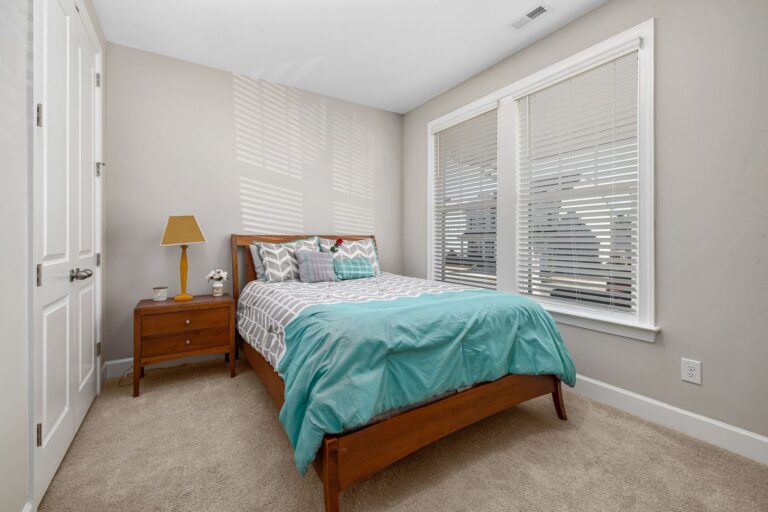 Ductwork & Air FlowWhy Is One Room Hotter Than the Rest of the House?One room runs hotter when it gains more heat than its air supply can carry away. Usual causes: afternoon sun on west or south…
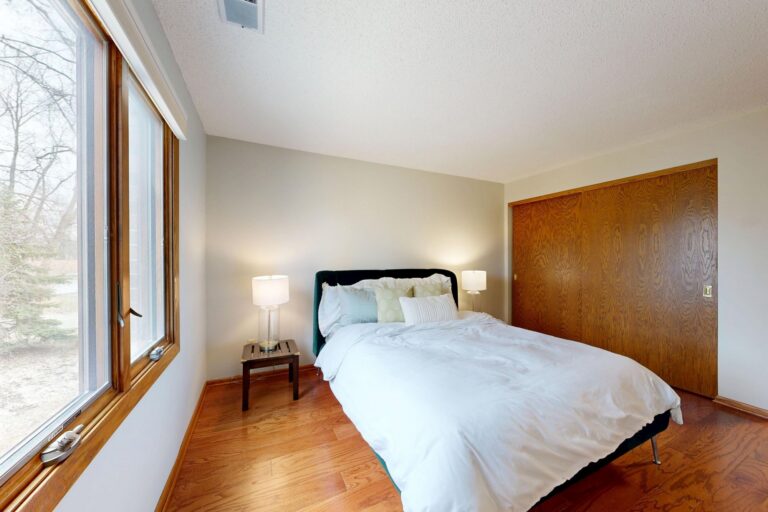 Ductwork & Air FlowDoes Closing Vents in Unused Rooms Save Money?Usually not. With central air, closing vents in unused rooms doesn't make the blower move less air. It raises duct pressure and pushes more…
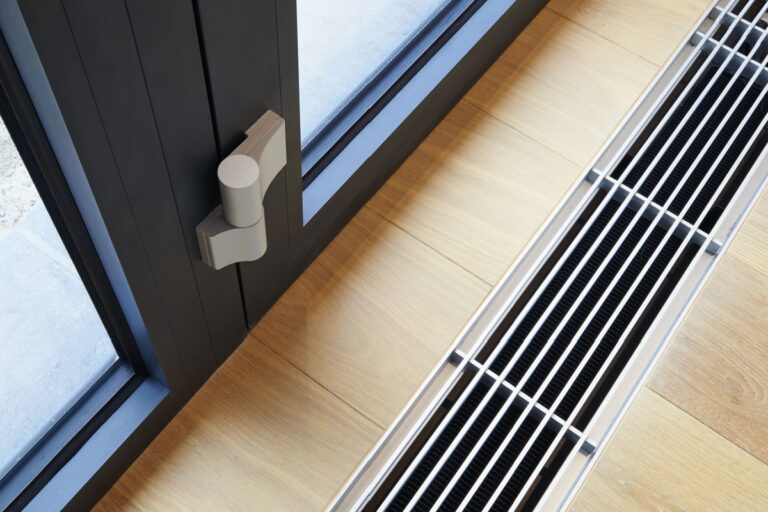 Ductwork & Air FlowHow Do You Increase Airflow to One Room?Start with free checks: the register fully open and unblocked, a clean filter, and a path for air back to the return (compare the…