
 HVAC Systems
 Heating
 Ductwork & Air Flow
 Ventilation
 Filtration
 Dehumidification
 Maintenance
 Mold
Mold Remediation & Restoration
 Pure Maintenance
 Your Home
 Building Science
 Insulation & Envelope
 Health & Safety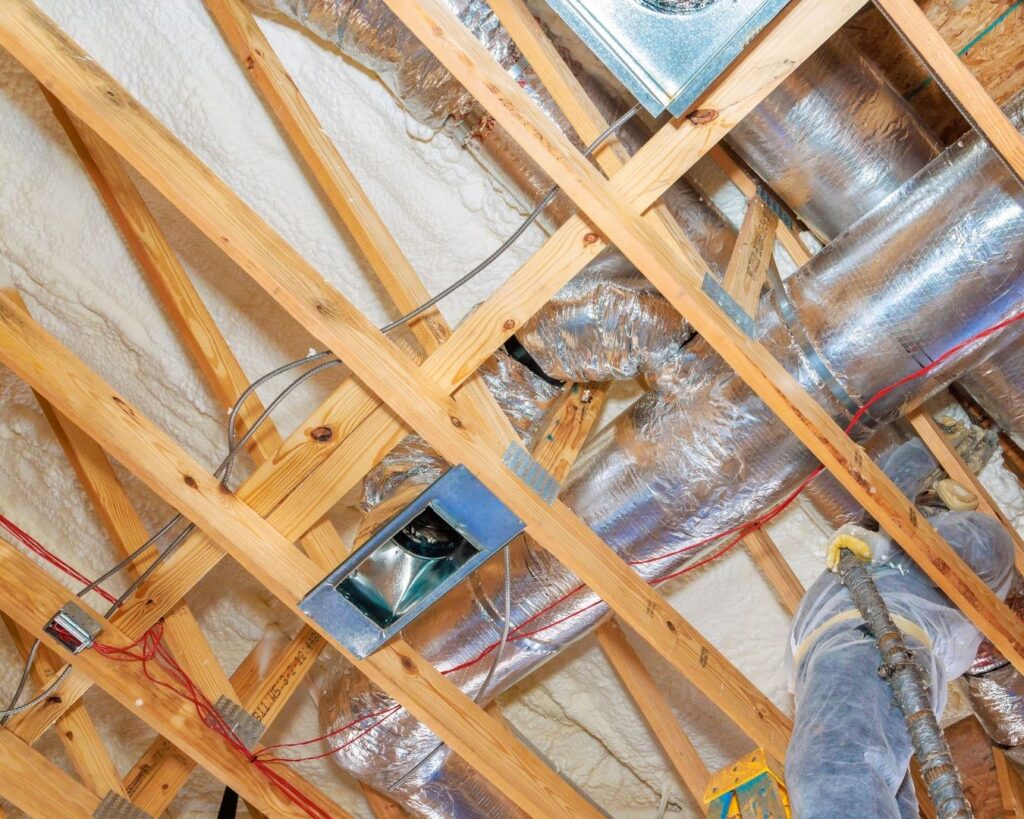
Quick answer: Exhaust fans and vents remove moisture, odors and pollutants at the source, like shower steam and cooking smoke, and send them outdoors before they spread through the house. Properly vented gas appliances also carry combustion gases outside. To work, exhaust needs to be the right size, vent all the way outdoors and be kept clean.
In this guide
Why does exhaust matter for indoor air?
Because the easiest pollutant to deal with is the one that never leaves the room it was made in. Bathrooms, kitchens and laundry rooms all produce moisture, odors and other pollutants that belong outside, not drifting down the hall. Fuel-burning appliances such as gas furnaces and water heaters depend on their own vents or flues to carry combustion gases, including carbon monoxide, safely out of the house. When exhaust falls short, you get lingering smells, high humidity and the damp conditions mold likes.
In humid Central Texas, moisture is the big one. Every hot shower and pot of pasta water adds moisture your AC then has to wring back out of the air, on top of everything that sneaks in from a muggy July day.
What good exhaust does for you:
- Removes moisture that can lead to mold and mildew.
- Clears cooking smoke, odors and other pollutants right where they start.
- Keeps combustion gases moving outdoors when appliances are properly vented.
- Supports overall indoor air quality and comfort.
What types of exhaust systems do homes use?
Most homes use spot exhaust fans in specific rooms, and some add whole-home ventilation. Bathroom and kitchen fans go after the problem areas, pulling moisture, smoke and odors out where they’re created. Whole-home systems such as energy recovery ventilators (ERVs) and heat recovery ventilators (HRVs) swap stale indoor air for fresh outdoor air. In a humid climate like ours, ERVs are often the better pick because they also limit how much outdoor humidity comes in. Some HVAC designs include exhaust or fresh-air components to help balance the home’s air pressure. Whatever the setup, it has to be installed properly, sized correctly and maintained.
Where exhaust shows up in a typical house:
- Bathroom fans for moisture control.
- Range hoods that vent outdoors to remove cooking smoke, grease and moisture.
- Ventilation for attached garages to help keep vehicle exhaust and fumes from drifting into the home.
- Whole-home ERV or HRV systems for balanced ventilation.
How do you maintain exhaust fans and keep them safe?
Clean them, test them and make sure they actually end up outdoors. Over time, fan housings and ducts collect dust, lint and grease, which cuts airflow and strains the motor. Venting or air pressure problems can also cause backdrafting, where combustion gases from a furnace or water heater flow back into the house instead of up the vent. That’s one reason carbon monoxide detectors and professional inspection of fuel-burning appliances matter.
One thing we run into in Texas homes: bathroom fans that vent into the attic instead of outdoors. The fan hums along like it’s doing its job, but it’s just moving warm, wet air from your bathroom into the attic, where it can cause moisture problems around insulation, framing and ductwork.
Maintenance checklist:
- Clean fan covers and grilles regularly, and have ducts cleaned if airflow drops.
- Test that fans are moving air. A tissue held to the grille should get pulled toward it.
- Confirm that exhaust fans vent all the way outdoors, not into the attic.
- Run bathroom fans during showers and for a while afterward.
- Install carbon monoxide detectors if you have fuel-burning appliances or an attached garage.
- Schedule regular HVAC inspections, including checks of combustion appliance venting.
The bottom line
Exhaust is easy to overlook and hard to replace. By removing moisture, odors and pollutants at the source and sending them outdoors, fans and vents make the house more comfortable and protect the structure from moisture damage. Get the installation and venting right, keep things clean, and they’ll do a lot of quiet work in the background. If you’re not sure your fans vent correctly or your home gets enough fresh air, we’re happy to take a look.
Related guides: Indoor Air Quality Beyond Mold: Dust, VOCs, Filtration and Upkeep, Inside the Engine Room: The Mechanical Systems That Make Passive Houses Thrive and Home Health and Safety: Key Hazards Every Homeowner Should Know.
About Gold Eagle Services: This guide comes from the team at Gold Eagle Services, a family-run Austin HVAC, indoor air quality and mold remediation company founded in 2017. We’re licensed (TACLA119235 and RCO1783), insured and bonded, and we serve homes across the greater Austin area.
Need help with this in your home? Learn about our indoor air quality solutions, or call 512-489-4653 to schedule a visit.
Related Gold Eagle service: Air duct cleaning
More in Ventilation
All 6 guides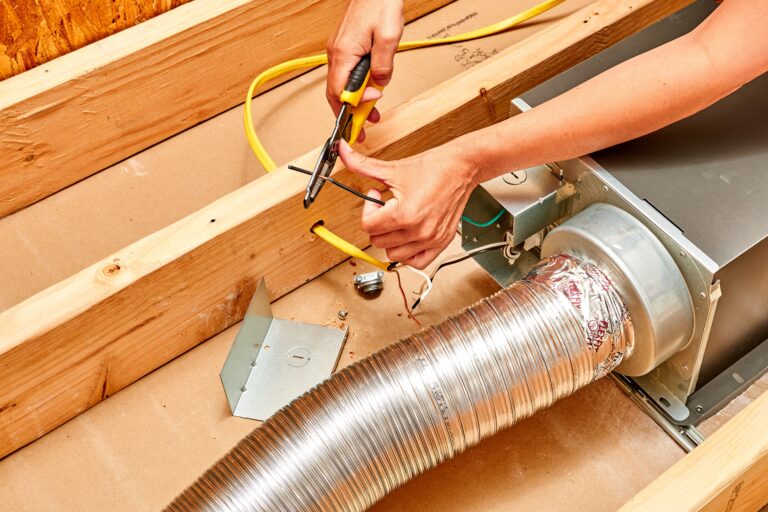 VentilationDoes a Bathroom Exhaust Fan Need to Vent Outside?Yes. A bathroom exhaust fan should be ducted all the way outdoors through a roof or wall cap with a damper flap. The residential…
 VentilationFresh Air in a Tight House: Ventilation Options for Newer Austin HomesNewer Austin homes are built tight, so stale air, odors and moisture no longer leak out by accident. The fix is planned ventilation: exhaust…
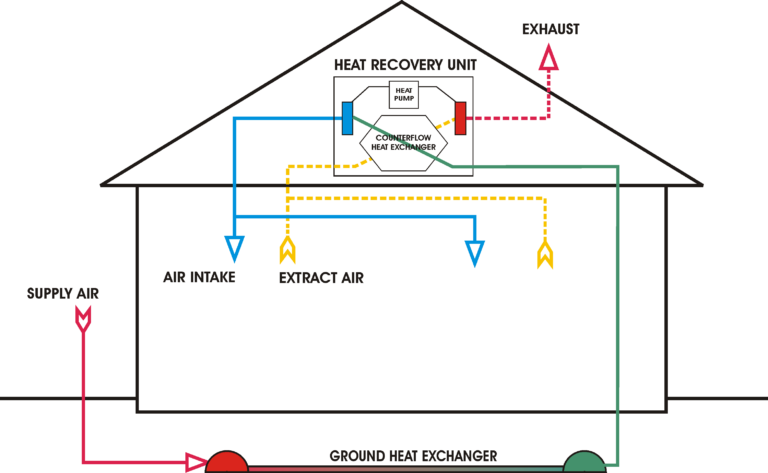 VentilationPassive House Mechanical Systems: ERVs, Heat Pumps and MoreA Passive House relies on matched mechanical systems: balanced ventilation with an ERV or HRV, right-sized heating and cooling (usually a heat pump), efficient…