
 HVAC Systems
 Heating
 Ductwork & Air Flow
 Ventilation
 Filtration
 Dehumidification
 Maintenance
 Mold
 Remediation & Restoration
 Your Home
 Building Science
 Insulation & Envelope
 Health & Safety
 Case Study
Quick answer: There’s no fixed schedule. The EPA recommends cleaning ducts only when there’s a reason: substantial visible mold inside, signs of rodents or insects, or enough dust and debris to blow out of the vents. NADCA, the duct cleaning trade group, suggests a yearly inspection with cleaning as needed.
In this guide
How often should air ducts be cleaned?
Only when they need it. The EPA says plainly that it does not recommend cleaning air ducts routinely, only as needed. The National Air Duct Cleaners Association (NADCA) lands close by: have the ducts inspected at least once a year, and clean them when the inspection calls for it.
You’ll see “every three to five years” online. That’s a rule of thumb, not a requirement. A tidy house with a good filter and sealed ducts can go a long time between cleanings; a house with three shedding dogs and a fresh kitchen remodel may not.
How do I know if my ducts need cleaning?
When something is in the ducts that shouldn’t be there. The EPA names three situations:
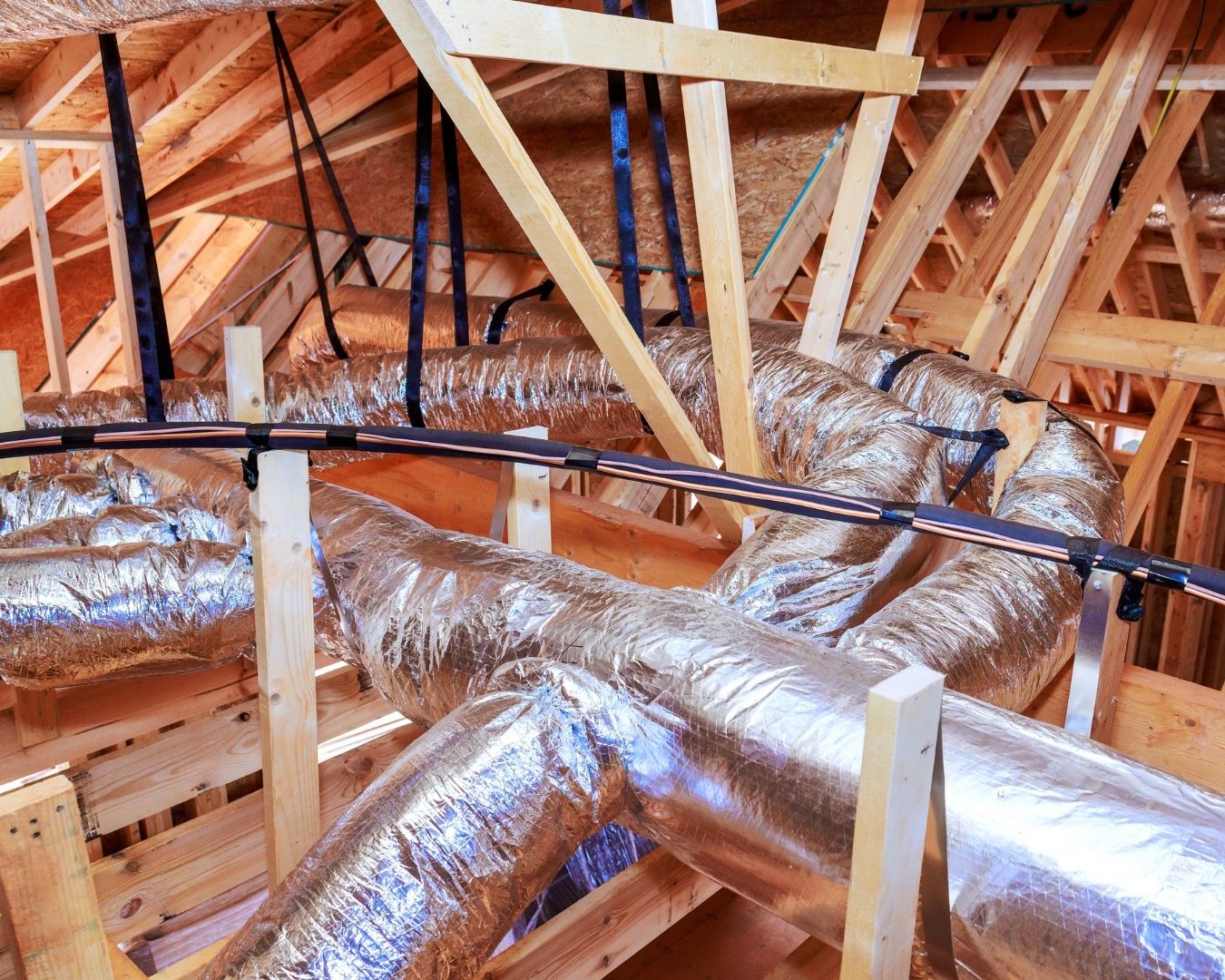
- Substantial visible mold on hard duct surfaces or other parts of the system. Wet or moldy insulated duct or duct liner, the EPA says, can’t be cleaned effectively and should be replaced. Most Austin ducts are insulated flex and ductboard, so moldy sections here usually get replaced, not cleaned.
- Vermin, such as rodents or insects living in the ductwork.
- Excessive dust and debris that clogs the ducts or visibly puffs out of the supply registers (the vents that blow air into rooms).
NADCA adds a few reasons to look sooner: renovation dust, water damage to the system, pets, and smoking in the home. A safe first check you can do yourself: pull off a supply vent cover and shine a flashlight inside.
Is duct cleaning worth it, and what won’t it fix?
It’s worth it when one of the EPA’s reasons applies, but it won’t fix whatever made the ducts dirty. In Austin most ducts run through the attic, and a leaky return duct can pull in insulation fibers and attic dust faster than any crew can vacuum them out. See how leaky ducts pull attic air and dust into your home.
Nor will it cure a wet coil (the cold, finned part of the indoor unit that pulls heat and moisture from the air) or a drain pan that keeps growing mold. The EPA also notes that duct cleaning has never been shown to prevent health problems, and that much of the dust in ducts clings to the duct walls instead of blowing into the rooms.
What should a good duct cleaning include?
The whole system, not just the ducts you can reach from the registers. The EPA suggests the contractor also clean the coil, drain pan, blower (the fan that pushes air through the ducts) and grilles, because clean ducts behind a dirty coil just carry the dirt back into the house. A few more pointers from the EPA:
- Walk away from anyone who claims EPA certification. The EPA doesn’t certify or endorse duct cleaners.
- Ask about any chemical or sealant sprayed inside the ducts: what it is, why it’s needed and whether it’s registered for that use. Read the label before you agree.
- Ask how the crew will keep the dust they stir up out of your living space.
How do I keep my air ducts clean?
Mostly with a good filter and tight ductwork. Use the right filter size, seal the filter slot and change it on schedule (how often to change your AC filter in Central Texas). Pick a filter your system can breathe through; a thicker, finer filter isn’t always better, as explained in what MERV ratings mean.
Beyond the filter, keep indoor humidity under 60%, and during a remodel, cover the vents and run the system as little as you can. Gold Eagle’s duct technicians seal duct leaks across the Austin area.
What should you do next?
- Check the filter and change it if it’s due.
- Look for dust puffing from the supply registers and for signs of rodents or insects.
- Keep indoor humidity under 60%.
- Book a duct inspection to learn whether the ducts need cleaning, sealing or neither.
Related guides: Leaky Ducts: How They Pull Attic Air and Dust Into Your Home, What Are MERV Ratings, and How Do They Affect IAQ? and Can a Dirty Air Conditioner Make You Sick?
About Gold Eagle Services: This guide comes from the team at Gold Eagle Services, a family-run Austin HVAC, indoor air quality and mold remediation company founded in 2017. We’re licensed (TACLA119235 and RCO1783), insured and bonded, and we serve homes across the greater Austin area.
Need help with this in your home? Learn about our air duct cleaning, or call 512-489-4653 to schedule a visit.
More in Ductwork & Air Flow
All 32 guides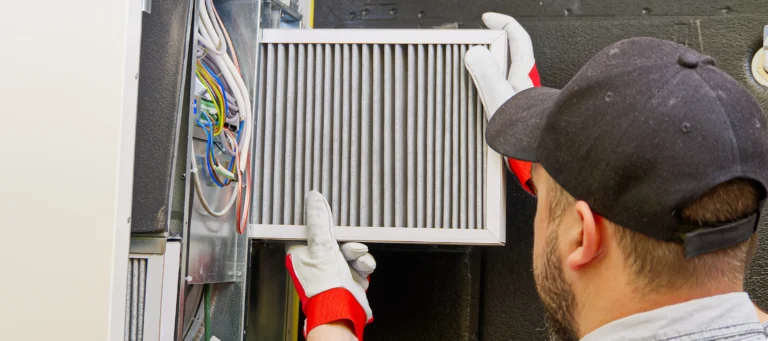 Ductwork & Air FlowWhat Does a Return Air Vent Do, and Why Does It Matter?A return vent is where room air heads back to your HVAC system to be filtered, cooled and sent out again. A system can…
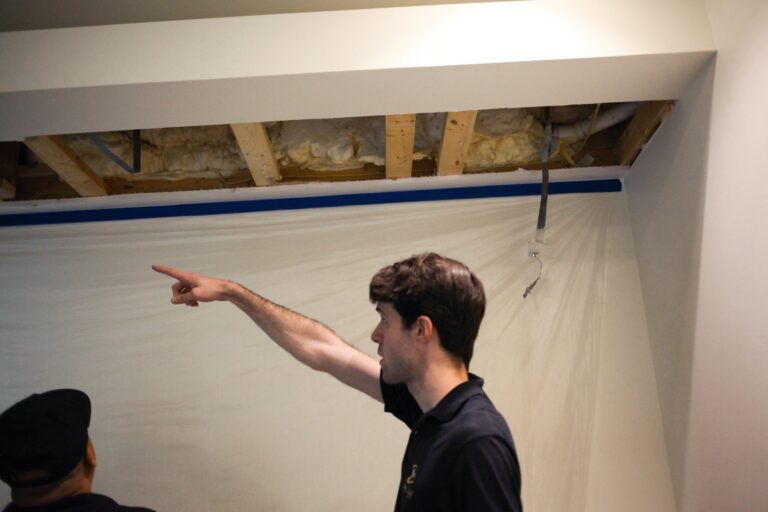 Ductwork & Air FlowHow Do You Protect Your HVAC During a Remodel, and Clear the Dust After?Seal the return grilles and supply vents in the work area, keep the system off during the dustiest work if you can and check…
 Ductwork & Air FlowWhere Does Stale Air Hide in an Austin Home?Stale air collects where air doesn't move or moisture builds up: closed bedrooms with no return, closets, laundry rooms, bathrooms, rooms against the attic…