
 HVAC Systems
 Heating
 Ductwork & Air Flow
 Ventilation
 Filtration
 Dehumidification
 Maintenance
 Mold
 Remediation & Restoration
 Your Home
 Building Science
 Insulation & Envelope
 Health & Safety
 Case Study
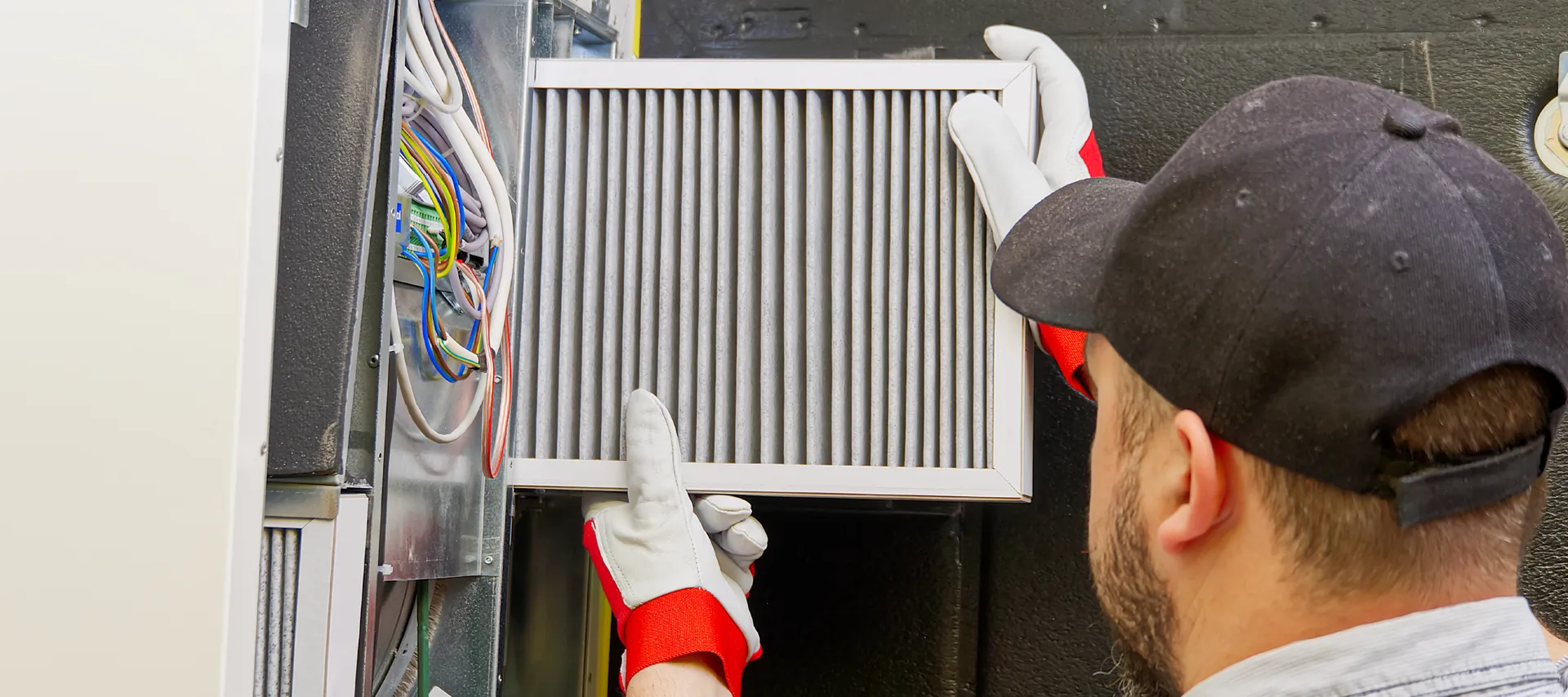
Quick answer: A return vent is where room air heads back to your HVAC system to be filtered, cooled and sent out again. A system can only push out as much air as it pulls back in, so blocked or undersized returns cut airflow. In Austin homes with ducts in the attic, leaky returns also draw dusty attic air into the house.
In this guide
What’s the difference between a return vent and a supply vent?
Air comes out of a supply vent and goes back through a return. Supply vents (also called registers) tend to be smaller, with slats you can adjust, and most rooms have one or more. Returns are usually larger grilles with nothing to adjust. Many Austin homes have just one or two, often in a hallway ceiling or wall, with the filter behind the grille.
Not sure which is which? Hold a tissue near the grille while the system runs. If the grille pulls it in, you’ve found a return.
What happens if a return vent is blocked or too small?
The whole system moves less air, because it’s a loop. The blower (the fan inside the indoor unit) can only move as much air as it can pull back through the returns, so a small, blocked or clogged grille starves the whole loop.
You feel it as weak airflow at the vents and hear it as a noisier system. Out of sight, the coil (the cold, finned part that cools the air) runs colder and can freeze up (see why an AC freezes up or leaks water).
Why does my room get hot with the door closed?
Usually because the room has supply air but no return path. Shut the door and air piles up inside with nowhere to go, so less cool air gets in and the room runs warm and stuffy. Meanwhile the rest of the house runs slightly short of air and sips outside air through every gap.
The usual fixes are a transfer grille (a vent through the wall or over the door), a jumper duct (a short duct that links the room’s ceiling to the hallway’s) or a dedicated return of its own. Why rooms get hot when you close the door covers each one.
What are the signs of a return duct problem?
Whistling grilles, bowing filters and dust streaks are the visible signs; leaks are the big problem you won’t see. A return duct runs under suction, so any gap pulls in whatever surrounds it. In an Austin attic in July, that’s hot, dusty, moist air, and when your filter sits at the return grille, that air enters after the filter. ENERGY STAR estimates that a typical duct system loses 20 to 30 percent of its air to leaks, holes and poor connections. Other common problems:
- A gappy filter slot that lets air slip around the filter.
- A crushed or kinked return duct in the attic.
- A return too small for the system. The warning signs: a whistle at the grille or a filter that bows inward.
For more, see how leaky ducts pull attic air and dust into your home.
How do I take care of my return vents?
- Keep furniture, beds and curtains a few inches away.
- Change the filter on schedule and make sure it fits snugly (how often to change your AC filter).
- Vacuum the grille when you clean the room.
- Never close or cover a return; it starves the whole system.
- Call Gold Eagle’s duct technicians about whistling, a bowing filter or dust streaks; those are duct jobs, not DIY.
What should you do next?
- Do the tissue test at each grille so you know where your returns are.
- Close each bedroom door while the system runs, and note any room that turns warm or stuffy.
- Check that the filter fills its slot with no gaps around the edges.
- Book a Gold Eagle visit if the return whistles or the filter bows inward.
Related guides: Why Rooms Get Hot When You Close the Door: Return Air and Pressure Balance, Leaky Ducts: How They Pull Attic Air and Dust Into Your Home and How Often Should You Change Your AC Filter in Central Texas?
About Gold Eagle Services: This guide comes from the team at Gold Eagle Services, a family-run Austin HVAC, indoor air quality and mold remediation company founded in 2017. We’re licensed (TACLA119235 and RCO1783), insured and bonded, and we serve homes across the greater Austin area.
Need help with this in your home? Learn about our ductwork design, sealing and replacement, or call 512-489-4653 to schedule a visit.
Related Gold Eagle service: Air duct cleaning
More in Ductwork & Air Flow
All 32 guides Ductwork & Air FlowHow Often Should Air Ducts Be Cleaned?There's no fixed schedule. The EPA recommends cleaning ducts only when there's a reason: substantial visible mold inside, signs of rodents or insects, or…
 Ductwork & Air FlowHow Do You Protect Your HVAC During a Remodel, and Clear the Dust After?Seal the return grilles and supply vents in the work area, keep the system off during the dustiest work if you can and check…
- Ductwork & Air FlowWhere Does Stale Air Hide in an Austin Home?Stale air collects where air doesn't move or moisture builds up: closed bedrooms with no return, closets, laundry rooms, bathrooms, rooms against the attic…